




Enhancing Financial Access in Ethiopia’s Special Economic Zones
Addis Ababa, March 18, 2026 – The Industrial Parks Development Corporation (IPDC) has taken a significant step towards promoting investment within Ethiopia’s Special Economic Zones (SEZs) by enhancing financial access for investors. This initiative aims to bolster the competitiveness of businesses operating in these economic hubs.
Key Objectives of the Reform
The recent reforms are structured to improve service delivery and establish a more favorable environment for enterprises within the SEZs. By expanding financial access, the IPDC intends to stimulate a surge in private sector participation and bolster investment in various sectors, including manufacturing, agriculture, trade, and services.
Financial Service Integration
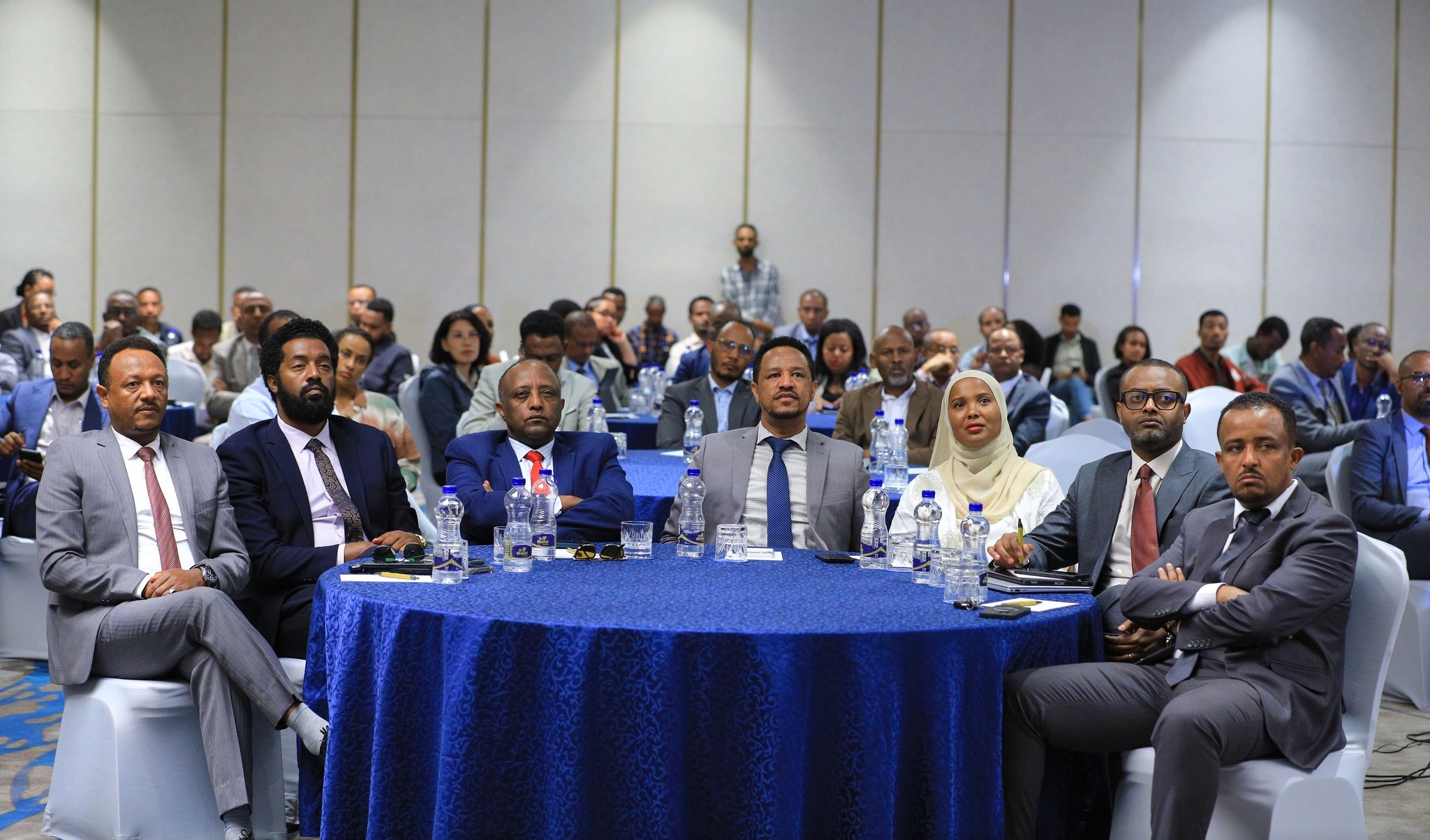
To facilitate these changes, a consultative workshop was organized focusing on improving banking services. This gathering aimed to foster collaboration between financial institutions, investors, and relevant government agencies involved in the SEZs. In a pivotal announcement during the event, Fitsum Ketema, IPDC Chief Officer for Operations and Park Management, revealed that previously, financial services in the zones were limited to the Commercial Bank of Ethiopia. Now, all banks will have the opportunity to operate, thereby enhancing accessibility and competitiveness in the sector.
Government Investment Overview
Fitsum emphasized that the Ethiopian government has committed over 1.5 billion USD to the development of these zones, which have successfully attracted billions in investments. This influx has not only contributed to foreign exchange earnings but has also been instrumental in job creation and technology transfer.
These efforts are aligned with the goal of supporting broader economic growth and encouraging foreign direct investment through enhanced economic clusters.
Benefits and Economic Impact
The strategic framework established by the IPDC aims to elevate Ethiopia’s export performance and create a more conducive atmosphere for productive investments. Such improvements are crucial for fostering an environment that supports comprehensive economic growth.
Under the SEZ proclamation, the National Bank of Ethiopia has been tasked with defining the criteria, standards, and licensing requirements for financial institutions wishing to operate in these zones.
Success and Current Landscape
The industrial zones have demonstrated remarkable success in boosting production and attracting capital inflows, with over 290 domestic and foreign investors currently operating across 14 investment hubs managed by the IPDC.
The recent consultation forum facilitated discussions among senior executives from 31 public and private financial institutions, as well as officials from the Ethiopian Investment Commission and the National Bank of Ethiopia. This collaborative effort is essential for strengthening the relationship between financial entities and investors in the SEZs.
Looking Ahead
Discussion papers presented at this forum explored the legal framework that governs the zones and underscored the need for improved conditions for banking operations within them. This continued effort to enhance cooperation between businesses and financial institutions will play a vital role in fostering a dynamic investment climate in Ethiopia’s economic landscape.
For more detailed information about Ethiopia’s investment opportunities and the benefits of SEZs, visit Ethiopian Investment Commission.
Conclusion
The enhancements to financial access in Ethiopia’s Special Economic Zones signify a commitment to developing a robust economic ecosystem. By attracting investments and fostering collaboration among stakeholders, the IPDC is laying a foundation for sustained economic growth and development in the region.
For more about finance in Ethiopia, check out National Bank of Ethiopia.
By focusing on these strategic initiatives, Ethiopia aims to create a vibrant and competitive investment landscape that attracts both local and international investors, ultimately contributing to economic resilience and growth.
