




The Complexities of Military Aircraft Procurement: A Closer Look at Ethiopia
In the evolving landscape of global military capabilities, the narrative surrounding air power has grown increasingly intricate. Noteworthy among these complexities is the issue of control overshot military systems, a topic recently underscored by former Malaysian Prime Minister Mahathir Mohamad. In 2020, he highlighted a significant limitation regarding Malaysia’s fleet of American F/A-18 Hornet fighter jets, revealing that operational autonomy is often an illusion for countries that depend on foreign technology. “We can’t program the planes for attacks against countries without getting the programming done by the United States,” he stated, exposing the crucial difference between ownership and operational control of military assets.
Understanding Strategic Autonomy
The notion of strategic autonomy is critically relevant as countries reassess their military dependencies amid shifting global alliances. For nations reliant on external partners for air power, such as Ethiopia, the implications of limited control are becoming increasingly pressing.
The Aerospace Market Landscape
The production of military aircraft, particularly fighter jets, is primarily controlled by a select group of world powers. The United States remains the foremost authority in aerial capabilities, supported by a robust ecosystem of manufacturers, including Lockheed Martin, Boeing, and Northrop Grumman. Collectively, these companies represent nearly half of global aerospace production.
Other players, such as France—home to Dassault Aviation and its well-regarded Rafale—and Russia, which boasts formidable design bureaus like Sukhoi and MiG, have secured their own footholds but cannot rival U.S. dominance. China has recently joined this exclusive club with the development of its fifth-generation fighters, including the Chengdu J-20.
The Technology Dependency Chain
Countries that procure military aircraft face multiple layers of dependency. The producers maintain first access to advanced technologies for their own military forces, a dynamic common across major powers. For example, neither the U.S. F-22 Raptor nor China’s J-20 has been offered to foreign buyers, underscoring a reality where more advanced technologies are withheld from potential clients.
Conditional Access and End-User Monitoring
Beyond sheer availability, the conditions surrounding the use of these technologically advanced systems create further obstacles. End-Use Monitoring agreements, particularly in U.S. arms sales, impose strict guidelines on how and when military equipment can be utilized. For instance, Pakistan operates its F-16 fleet under specific limitations regarding target engagement, a restriction echoed in other nations’ procurement experiences.
Ethiopia’s Path Towards Modern Air Power
Historically, Ethiopia’s air force has been built around Soviet and Russian platforms, incorporating MiG and Sukhoi aircraft that forged a long-standing relationship with Moscow. This partnership has often been characterized by reliable supply and minimal political entanglements. However, as Ethiopia aims to modernize its air capabilities, the dynamics may be shifting.
Exploring New Acquisitions
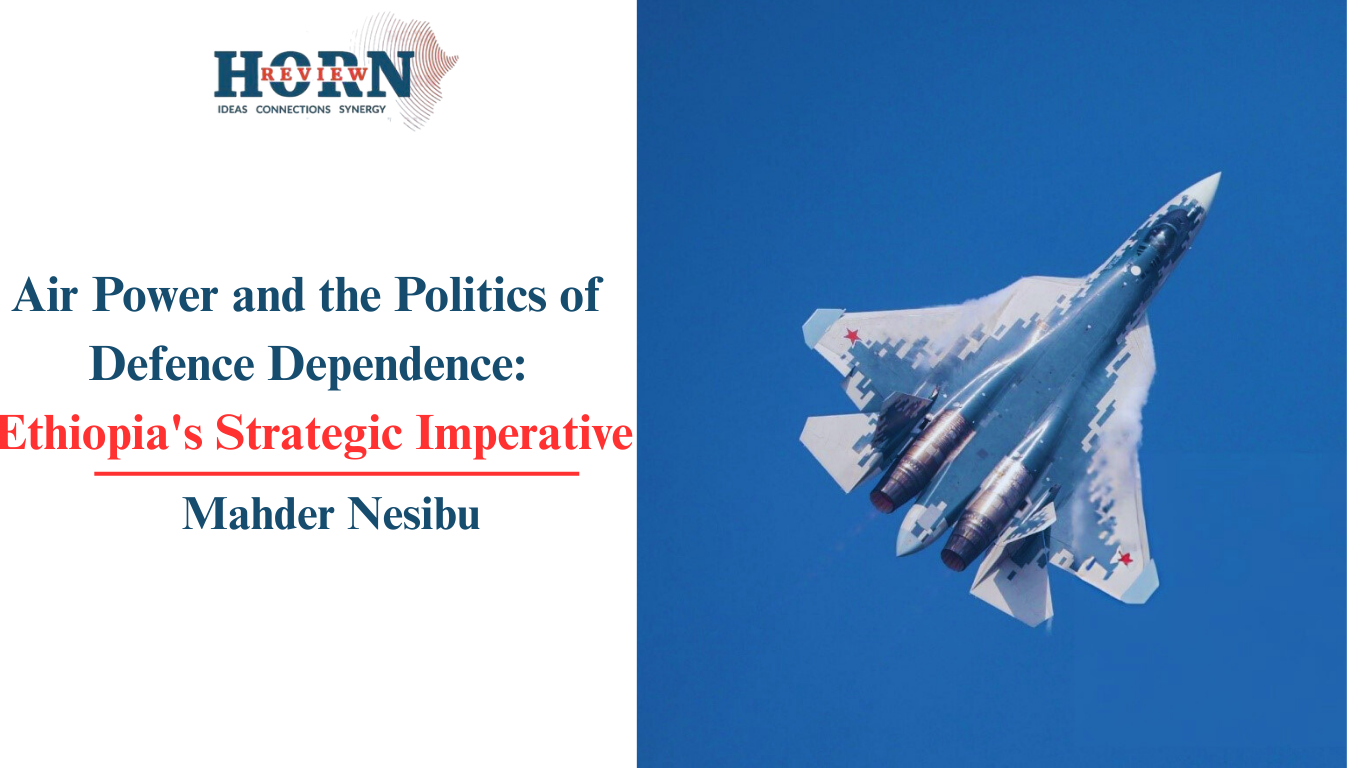
Ethiopian Prime Minister Abiy Ahmed has publicly indicated a desire to acquire fifth-generation combat jets. Current speculation suggests a move toward purchasing the Sukhoi Su-57, reflecting continuity in procurement strategy. However, this relationship furthers Ethiopia’s dependency on a single supplier amid unpredictable geopolitical pressures impacting Russia’s production capabilities, particularly given its recent military engagements in Ukraine.
Partnerships With the UAE
A notable development might alter Ethiopia’s procurement landscape: the UAE’s reported plans to transfer a number of Mirage 2000-9 aircraft to Ethiopia. This French-built platform, known for its longevity and effectiveness, could introduce a new dimension to Ethiopia’s air defense capabilities and signal the opening of technical and maintenance links with the French defense industry.
The Strategic Environment of East Africa
Ethiopia’s modernization efforts are set against a backdrop fraught with regional tensions, including unresolved conflicts with Eritrea and instability in Sudan, as well as ongoing disputes with Egypt concerning the Nile. These factors make the procurement decisions currently in play far more than administrative tasks; they are critical chess moves in a high-stakes game of regional power dynamics.
The Rise of Unmanned Aerial Systems
As global warfare evolves, so too does the technology underpinning military capabilities. The emergence of unmanned combat aerial vehicles (UCAVs) has fundamentally altered the economic and strategic calculus of warfare. The ongoing conflict in Ukraine is a testament to how drones can undermine traditional military formations, rendering previous models of air combat obsolete.
Ethiopia has already begun integrating drones such as the Bayraktar TB2 and China’s Wing Loong I into its military operations. Moreover, initiatives like the establishment of domestic defense firms—SkyWin Aeronautics Industries and Aeroabay Plant—signal Ethiopia’s ambition to gain a foothold in military production.
Conclusion: Navigating the New Military Reality
The procurement choices Ethiopia faces today will have long-lasting implications, not only for its military capabilities but also for its strategic partnerships. The intricate web of dependencies forged through arms procurement must be navigated carefully to ensure that Ethiopia can cultivate a more autonomous and robust air force.
As the landscape of military power continues to evolve, nations like Ethiopia must grapple with the balance of procurement and sovereignty in an increasingly interconnected and competitive world. Ensuring that air power sovereignty is not merely theoretical but practically applicable will be one of the most significant challenges facing Ethiopia and other nations in the years to come.
