




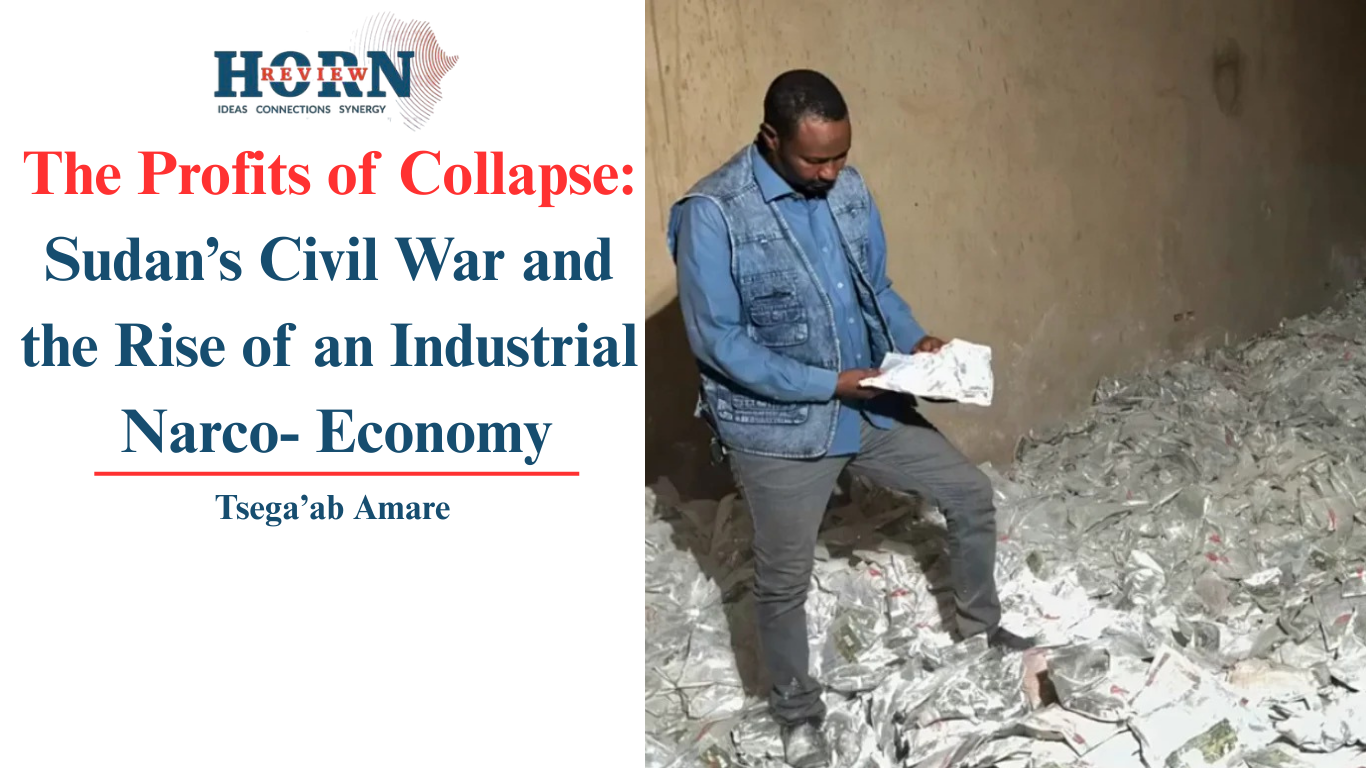
The Rise of a Synthetic Narcotics Economy Amidst Sudan’s Ongoing Conflict
Understanding the Conflict in Sudan
The ongoing conflict in Sudan has escalated into a complex situation that not only destabilizes the region but also fosters a burgeoning synthetic narcotics economy. This analysis delves into the mechanics of wartime financing, its implications for regional security, and the perplexing “Peace-Drug Paradox” that threatens long-term conflict resolution efforts.
The Emergence of Synthetic Narcotics in Sudan
Structural Shifts in Wartime Financing
As the conflict continues, traditional financing methods are being upended. The state’s diminished economic capability has paved the way for non-state actors to capitalize on illicit activities, particularly the production of synthetic narcotics. The demand for these drugs is spurred on by both local consumption and international trafficking networks. This shift in revenue generation reflects a broader structural transformation, where illegal narcotics now play a crucial role in funding militant operations.
The Scale of the Synthetic Drug Trade
The synthetic narcotics economy in Sudan is evolving at an alarming pace. Cartels and organized crime networks are tailoring their operations to create highly profitable synthetic drugs. This transition not only benefits the financiers of the conflict but also increases the complexity of the socio-economic landscape, making it harder for humanitarian efforts to take root. Understanding the scale and operation of this drug trade is essential for policymakers aiming to address the root causes of instability.
Regional Security Implications
Spillover Effects on Neighboring Countries
The rise of synthetic narcotics production in Sudan presents a significant regional security challenge. Neighboring nations are increasingly affected by drug trafficking and related violence, fostering environments where crime and instability flourish. The interconnectedness of these issues necessitates cooperative international approaches to counter these threats effectively.
The International Response
Countries and international organizations are becoming more aware of the need to tackle the intertwined issues of drug production and conflict. Initiatives aimed at curbing the narcotics trade must be integrated into broader peace-building efforts to be effective. Collaborative strategies focusing on intelligence sharing and law enforcement can play a vital role in mitigating these risks.
The “Peace-Drug Paradox”
Understanding the Paradox
The “Peace-Drug Paradox” illustrates the contradiction wherein peace efforts in Sudan could inadvertently stoke the flames of drug production. As the region grapples with potential peace agreements, the financial incentives created by the narcotics economy can act as a destabilizing force. Efforts to promote peace could inadvertently empower those who benefit from the drug trade.
Implications for Conflict Resolution
Achieving sustainable conflict resolution in Sudan requires a nuanced understanding of the relationship between narcotics and peace-building initiatives. Stakeholders must recognize that simply addressing surface-level issues without considering the underlying economic motivations can lead to fragile agreements.
Conclusion
The ongoing conflict in Sudan has engendered an extensive synthetic narcotics economy that presents significant challenges to both regional stability and prospects for peace. Urgent and targeted action is needed to navigate the complexities of this situation, recognizing the intertwined nature of drug production and conflict. To effectively address these challenges, international cooperation and comprehensive policy frameworks are essential in dismantling the structures that perpetuate violence and instability.
For more insights into the conflict in Sudan and the implications of synthetic narcotics, visit United Nations Office on Drugs and Crime or check Human Rights Watch for updates on the regional security landscape.
