




Ethiopia’s Leadership in Sustainable Water Resource Management: Insights from ZAMCOM Delegation Visit
Addis Ababa, March 16, 2026 — Ethiopia showcased its innovative approaches to environmental conservation and watershed management during a meeting with a delegation from the Zambezi Watercourse Commission (ZAMCOM). The discussions centered around Ethiopia’s exemplary initiatives aimed at addressing climate change and ensuring sustainable water resource management, pivotal for both regional stability and environmental health.
Ethiopia’s Proactive Climate Actions
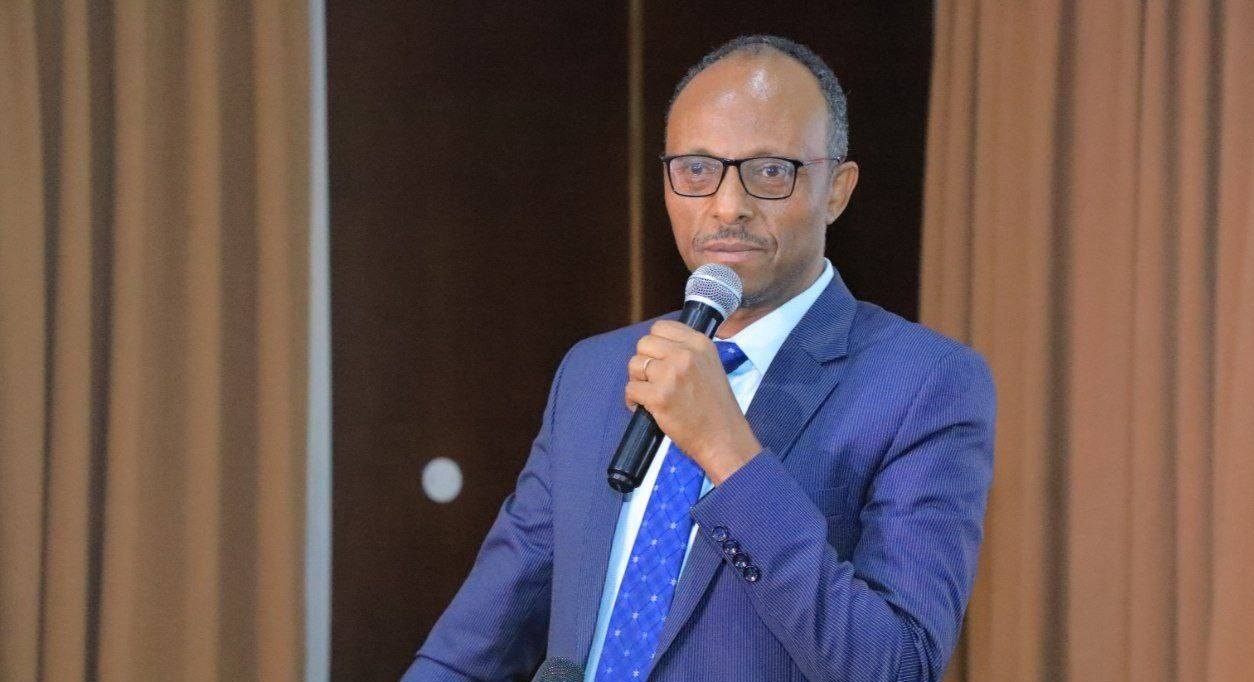
Eng. Habtamu Iteffa, the Minister of Water and Energy, emphasized Ethiopia’s commitment to sustainable practices through projects like the Green Legacy Initiative (GLI). This flagship program, augmented by various integrated watershed management strategies, serves as a model for other regions facing similar environmental challenges.
The Crucial Role of River Flows
Ethiopia plays a key role in the Nile River ecosystem, contributing approximately 86% of its total flow. Minister Habtamu linked this significant contribution to the success of the GLI, which is vital for safeguarding water security in the basin.
Addressing Climate Extremes
The Minister highlighted the growing threats posed by climate extremes, such as severe droughts and floods, which jeopardize lives and livelihoods. To mitigate these impacts, the Ethiopian government prioritizes resilience-building measures. These initiatives focus on modernizing water management practices and enhancing disaster response capabilities.
Focus on Food Sovereignty
Minister Habtamu expressed the nation’s resolve to achieve food sovereignty through sustainable agriculture practices. The effective utilization of river resources, particularly during dry seasons, is seen as crucial for long-term food security.
Advanced Water Management Techniques
Ethiopia is increasingly adopting sophisticated water management techniques beyond surface water resources. This includes expanding groundwater access and refining irrigation infrastructure. Such innovations are designed to boost agricultural productivity while protecting it from the uncertainties brought about by climate change.
Ecosystem Restoration and Afforestation
At the core of these strategies is the GLI and broader watershed programs aimed at restoring natural ecosystems. Massive afforestation efforts are being undertaken to improve water retention and foster ecological balance.
Political Commitment and Achievements
Minister Habtamu attributed Ethiopia’s successes to strong political commitment, citing the planting of over 48 billion tree seedlings in the past four years as indicative of the country’s proactive stance on environmental stewardship.
Legal Frameworks for Sustainable Management
To support these initiatives, the government is establishing robust legal frameworks to protect river ecosystems and ensure transparent governance of water resources. This commitment is crucial for sustaining Ethiopia’s environmental gains.
International Collaboration and Sharing Best Practices
Emphasizing regional cooperation, Minister Habtamu encouraged further knowledge exchange with international partners in sustainable water resource management.
ZAMCOM’s Recognition of Ethiopian Initiatives
Felix Ngamlagosi, the Executive Secretary of ZAMCOM, commended Ethiopia’s GLI for its dual focus on environmental restoration and sustainable water resource management. He acknowledged that the session provided a valuable platform for the Zambezi countries to exchange knowledge about sustainable practices that could benefit the region.
Infrastructure Development and Regional Integration
Ngamlagosi noted that Ethiopia’s significant infrastructure projects, including the Grand Ethiopian Renaissance Dam, represent exemplary large-scale initiatives that bolster regional integration and energy security. He drew parallels between these developments and notable hydropower projects in the Zambezi region, such as the Kariba and Cahora Bassa Dams, which are crucial for electricity supply in Southern Africa.
Addressing Regional Vulnerabilities
Despite Ethiopia’s progress, Ngamlagosi highlighted ongoing challenges in the Zambezi region, including reliance on rain-fed agriculture and environmental degradation. He called for a comprehensive strategy focused on infrastructure investment and sustainable water management to overcome these issues.
Looking Ahead: Learning from Ethiopia’s Legacy Initiatives
Ngamlagosi specifically praised Ethiopia’s GLI for its effectiveness in mobilizing citizens for large-scale environmental restoration efforts. He expressed eagerness to learn from Ethiopia’s transformative initiatives, which aim to deliver lasting ecological and socio-economic benefits.
Conclusion
The ZAMCOM delegation, composed of representatives from various Zambezi Basin countries, concluded their visit with a tour of the Riverside Development Project in Addis Ababa. This visit has not only strengthened partnerships but also set the stage for collaborative actions towards sustainable water resource management in both the Nile and Zambezi river basins.
For more information on Ethiopia’s environmental initiatives, visit the Green Legacy Initiative or learn about the Zambezi Watercourse Commission.
