




Ethiopia Launches National Strategies for Sustainable Agriculture
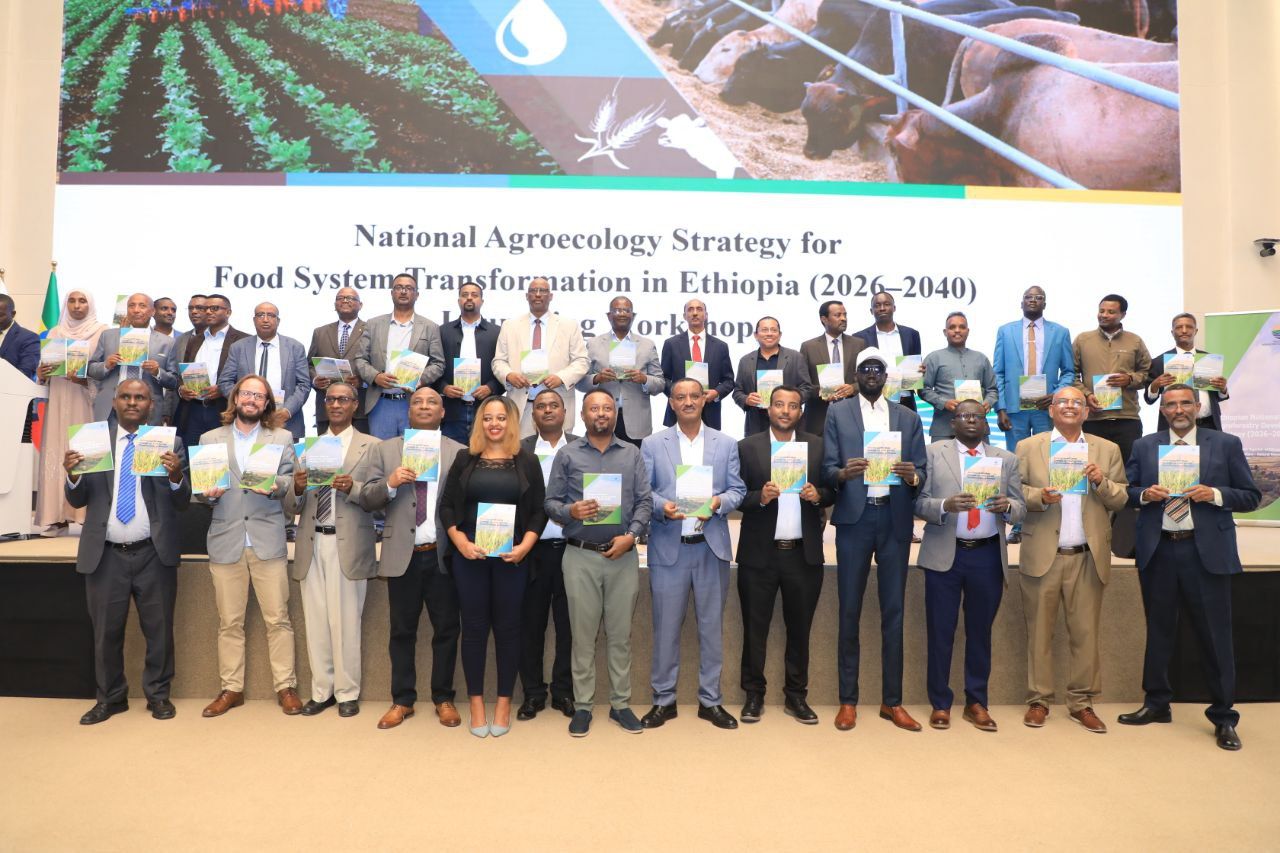
Addis Ababa, March 14, 2026 — Ethiopia’s Ministry of Agriculture has officially unveiled two transformative strategies aimed at enhancing agricultural productivity while safeguarding the environment. These initiatives highlight Ethiopia’s commitment to sustainable development in the agricultural sector.
National Agroecology Strategy and Agroforestry Development Strategy
The National Agroecology Strategy for Food System Transformation (2026–2040) and the Ethiopian National Agroforestry Development Strategy (2026–2035) serve as complementary frameworks designed to fundamentally reshape the nation’s agricultural landscape.
Empowering Food Systems Through Agroecology
The Agroecology strategy focuses on building resilient and sustainable food systems that can withstand environmental challenges. This framework promotes practices that not only maximize productivity but also foster ecosystem health. Emphasizing soil management, water conservation, and biodiversity, the strategy aims to create a holistic approach to agriculture that benefits farmers and the environment alike.
Enhancing Agriculture with Agroforestry
Complementary to the Agroecology strategy, the Agroforestry Development Strategy presents practical, tree-based solutions aimed at enhancing agricultural landscapes and ecological integrity. By integrating trees into farming systems, the strategy fosters improved soil health and contributes to climate resilience.
The Role of Agriculture in Ethiopia’s Economy
At the launch of these initiatives, Agriculture State Minister Professor Eyasu Elias emphasized the critical role the agricultural sector plays in the nation’s economic growth. He noted the challenges posed by climate change, soil degradation, and deforestation, which have, to some extent, hindered agricultural productivity.
Despite these hurdles, Ethiopia has made commendable strides in building a resilient agricultural framework, particularly through its Green Legacy program. This initiative aims to restore ecosystems and enhance agricultural output.
Benefits of the New Strategies
According to Minister Eyasu, both the Agroecology and Agroforestry strategies will significantly improve soil health and water management. These improvements are pivotal for enhancing food security and ensuring farmers’ welfare. The strategies also aim to promote food sovereignty, essential for the country’s long-term sustainable growth.
Importance of Collaboration
Fanose Mekonen, Lead Executive Officer at the Ministry’s Natural Resource Development, Protection, and Utilization Department, highlighted that effective implementation of these national strategies will require close collaboration among development partners and stakeholders. Engagement with local communities and international organizations is essential for fostering a collaborative effort in executing these strategies.
Conclusion
Ethiopia’s commitment to sustainable agriculture through the launch of these national strategies marks a significant step towards addressing the pressing challenges faced by the agricultural sector. By integrating ecological practices into farming, the nation is paving the way for enhanced productivity and environmental preservation, ultimately contributing to the well-being of its communities.
For more information on sustainable agriculture practices, visit FAO and Agroecology.
