




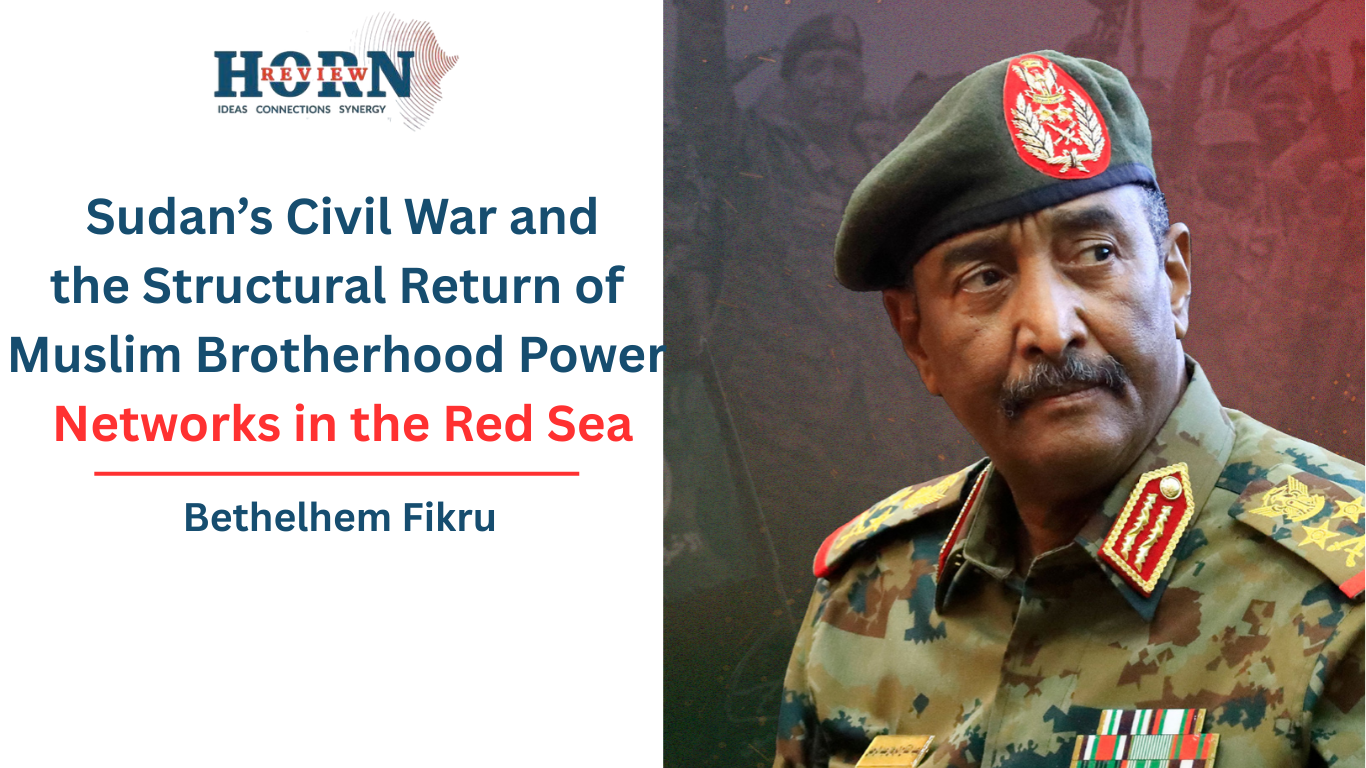
Sudan’s Complex Foreign Alignment Amid Civil War
Sudan’s foreign policy dynamics are increasingly shaped by the ongoing civil war, demonstrating a shift away from the preferences of individual leaders towards structural necessities. The external relationships that Sudan maintains, especially with Iran and regional actors, highlight this pivotal transformation.
The Role of Islamist Networks
Despite the fragmentation of the Islamist regime after the 2019 revolution, key networks associated with the Muslim Brotherhood have persisted. These groups, embedded within Sudan’s security apparatus, have enabled the government to maintain channels of cooperation with Iran. Following the outbreak of conflict in April 2023 between the Sudanese Armed Forces (SAF) and the Rapid Support Forces (RSF), these networks facilitated the re-establishment of links with external partners, crucial for sustaining military supply and operational capabilities.
Iranian Military Support
Iran’s role in Sudan has evolved from a close partnership formed in the wake of the 1989 Islamist coup to a strategic necessity amidst the civil war. Sudan’s recent re-engagement with Iran has included the acquisition of advanced weapons systems, such as Iranian drones, which offer tactical advantages in urban combat scenarios. This military support has not only strengthened the SAF’s capabilities but has also reinforced ideological bonds, as some within Sudan’s military now interpret Iranian assistance as part of a shared ideological commitment.
The Strategic Balancing Act
The Sudanese authorities have adopted a nuanced strategy that involves engaging with Iran for military supplies while simultaneously maintaining diplomatic ties with Gulf states. This multi-faceted approach is designed to mitigate international isolation and ensure a steady influx of essential military resources.
Geopolitical Positioning
Sudan’s geographical significance along the Red Sea corridor enhances its importance in the regional security architecture. For Iran, access to Sudan allows for the establishment of logistical networks that can extend its operational reach without necessitating permanent military bases. As a result, Iran seeks to solidify its influence while expanding its logistical capabilities within East Africa.
Regional Dynamics and Challenges
Sudan’s conflicts are deeply intertwined with the interests of neighboring countries, complicating its foreign policy landscape. Saudi Arabia, for instance, maintains a critical eye on Sudan, as regional stability is vital to its own strategic interests. However, while Saudi initiatives exist, they have yet to produce a significant impact on the internal dynamics of the Sudanese conflict.
Egypt’s Defensive Posture
Egypt’s involvement in Sudan has primarily centered around its security interests, particularly related to border control and Nile water management. Cairo has maintained connections to segments of the Sudanese military but has shown a limited ability to influence the conflict’s progression.
The Role of Eritrea
Eritrea complicates the regional situation further with its militarized security policies. The precarious relationship among borders allows for arms flows and militia movements that risk further destabilization.
Implications of Regionalization
As the conflict in Sudan continues, it is gradually becoming regionalized. Iranian logistical access and collaboration may allow Sudan to emerge as a key player in broader geopolitical tensions. The risk of escalation remains if informal partnerships with external powers transition into formal defense agreements, potentially drawing Sudan deeper into regional rivalries.
Recommendations for Stability
To promote stability, it is critical to regulate external military support, enhance border monitoring, and ensure transparency in security cooperation. Establishing clear boundaries between ceasefire protocols and external military commitments is essential to avoid escalating tensions.
Conclusion: Sudan’s Future in a Volatile Environment
Sudan’s foreign alignment amid ongoing civil strife illustrates a complex interplay between military necessities, diplomatic engagements, and ideological continuities. The existence of Islamist networks within the security forces ensures that these dynamics have substantial implications that extend beyond immediate military concerns. As the conflict persists, Sudan will remain a pivot between competing external influences, with the strategic implications resonating throughout the greater Red Sea region.
For further insights on geopolitical strategies in the Middle East, explore resources from Center for Strategic and International Studies and Middle East Institute.
