




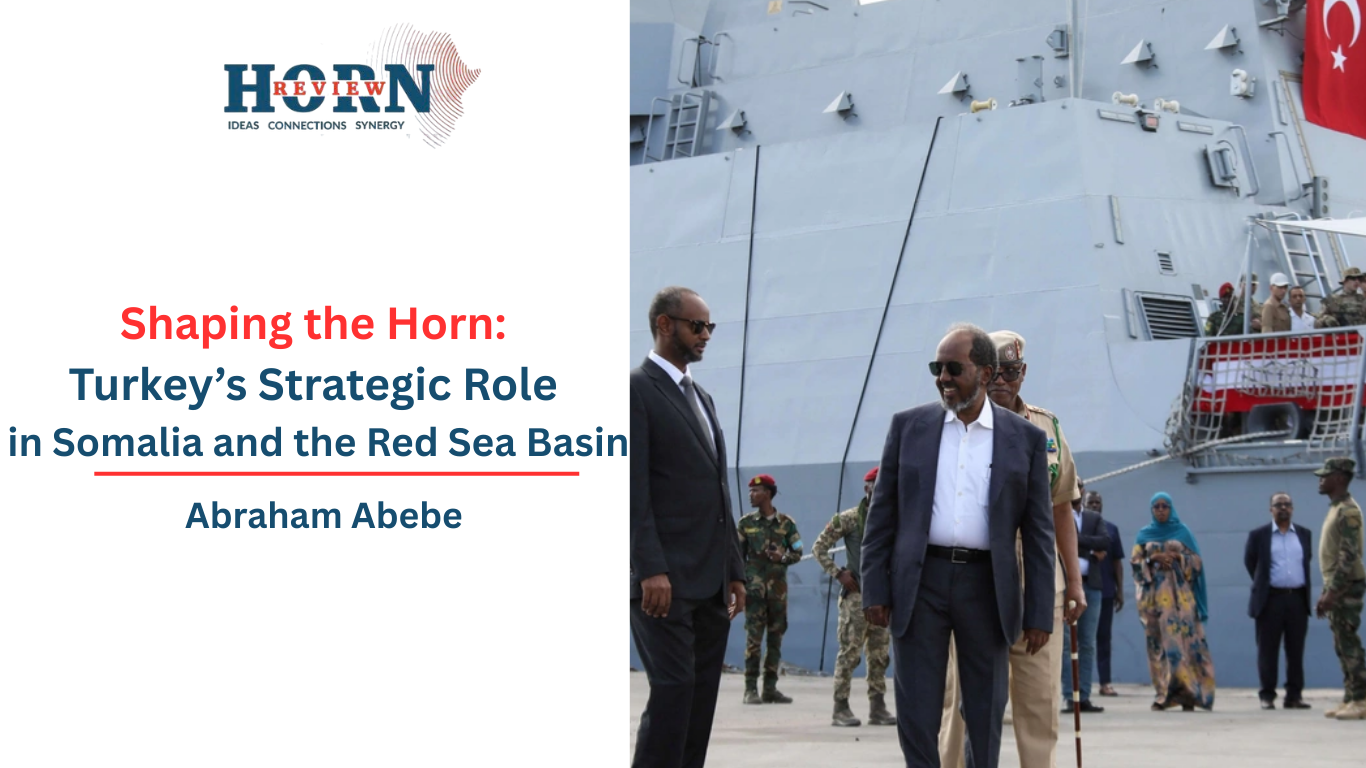
Turkey’s Expanding Influence in the Horn of Africa: A Strategic Overview
Since the inception of the TURKSOM military training mission in Somalia in 2017, Turkey has solidified its position as a significant player in the Horn of Africa. This strategic foothold allows Turkey to navigate complex security, economic, and diplomatic landscapes, offering a unique model that distinguishes it from traditional Western engagements.
Strategic Presence in the Horn of Africa
Turkey’s multifaceted engagements link its interests in Somalia to broader connections in the Red Sea basin, fostering robust relationships with neighboring countries like Ethiopia, Sudan, and Djibouti. Unlike other powers that have struggled to establish sustained influence, Turkey’s operations encompass humanitarian support and infrastructure development, making it a substantial contributor to regional stability.
The Nature of Turkey’s Engagement
Turkey’s approach diverges from conventional Western security measures, which are often focused primarily on counterterrorism. Instead, Turkey integrates military training efforts with diplomatic and economic initiatives. The TURKSOM mission not only prepares Somali forces but also aligns security goals with developmental objectives, creating a holistic framework for capacity building.
Geopolitical Significance: The Maritime Dimension
The geographical importance of Somalia cannot be overstated. Its extensive coastline along the Gulf of Aden positions Turkey to play a pivotal role in the maritime security of one of the world’s most crucial shipping corridors. Increasingly, Turkey’s land-based security cooperations are complemented by efforts to enhance maritime capabilities, reflecting a strategic vision that encompasses both land and sea dimensions.
Cooperation Across Borders
Turkey’s strategic footprint is not confined to Somalia. It is actively cultivating ties with Ethiopia through various cooperation agreements, covering trade, energy, and infrastructure. This bilateral engagement enables Turkey to act as a mediator in regional disputes, further enhancing its diplomatic leverage.
In Sudan, Turkey’s involvement dates back to a long-term agreement for the development of Suakin Island, an Ottoman-era port, framed as a cultural restoration. In Djibouti, Turkey has developed diplomatic relations since 2013, expanding its economic footprint through various initiatives.
A Hub-and-Spoke Model of Influence
Turkey’s presence in the Horn of Africa resembles a hub-and-spoke architecture, with Somalia acting as the central operational hub supported by diplomatic and economic links with Ethiopia, Sudan, and Djibouti. This structure allows Turkey to exert substantial influence without traditional territorial control.
Regional Competition and Counterbalancing
Turkey is not the only actor in this competitive landscape. The United Arab Emirates operates a military facility in Eritrea, while Saudi Arabia deepens its ties with Djibouti as part of broader regional engagement. Meanwhile, Israel has been quietly expanding its diplomatic and security roles in the region, indicating that the Horn of Africa is becoming a contested space for various powers.
The Dual Narrative of Partnership and Dependence
Turkey’s narrative of engagement emphasizes partnership, often invoking historical ties to the Ottoman Empire. This sentiment resonates with Somali leadership, positioning Turkish involvement as a form of fraternal support. However, this relationship also raises questions about structural dependence, particularly in light of regional rivalries, notably with Israel.
A Shift Toward Operational Military Roles
The recent deployment of Turkish F-16 fighter jets and rotary-wing aircraft in Somalia marks a significant escalation in Turkey’s role. This shift from training missions to operational involvement showcases Turkey’s intentions to deepen its presence, with Somali forces increasingly reliant on Turkish support for military capabilities.
Implications for Regional Stability and Balance of Power
As Turkey’s engagements deepen, the risk of local conflicts being overshadowed by wider geopolitical rivalries increases. The potential for clashes between Turkish-backed Somali forces and those supported by rival powers like the UAE cannot be ignored.
The Future of Turkey’s Influence
Turkey’s evolving role reflects a broader trend in middle-power competition. Its ability to embed itself within local institutions without the need for overt military control allows for a new form of influence that prioritizes economic and diplomatic initiatives over territorial occupation.
Conclusion: Navigating a Complex Landscape
As Turkey expands its military and diplomatic footprint, questions about overextension and the reactions of competing powers become increasingly pertinent. The trajectory of Turkey’s influence in the Horn of Africa may shape not only Somalia’s future but also the overarching security dynamics of the Red Sea corridor. The outcomes will determine whether Turkey’s model represents sustainable influence or signifies the onset of a more fractious regional order.
For further insights into Turkey’s strategic plans and military engagements, explore more about Turkey’s evolving role in global security dynamics.
