




Tensions Between Ethiopia and Sudan: The Complexity of Drone Warfare and Sovereignty
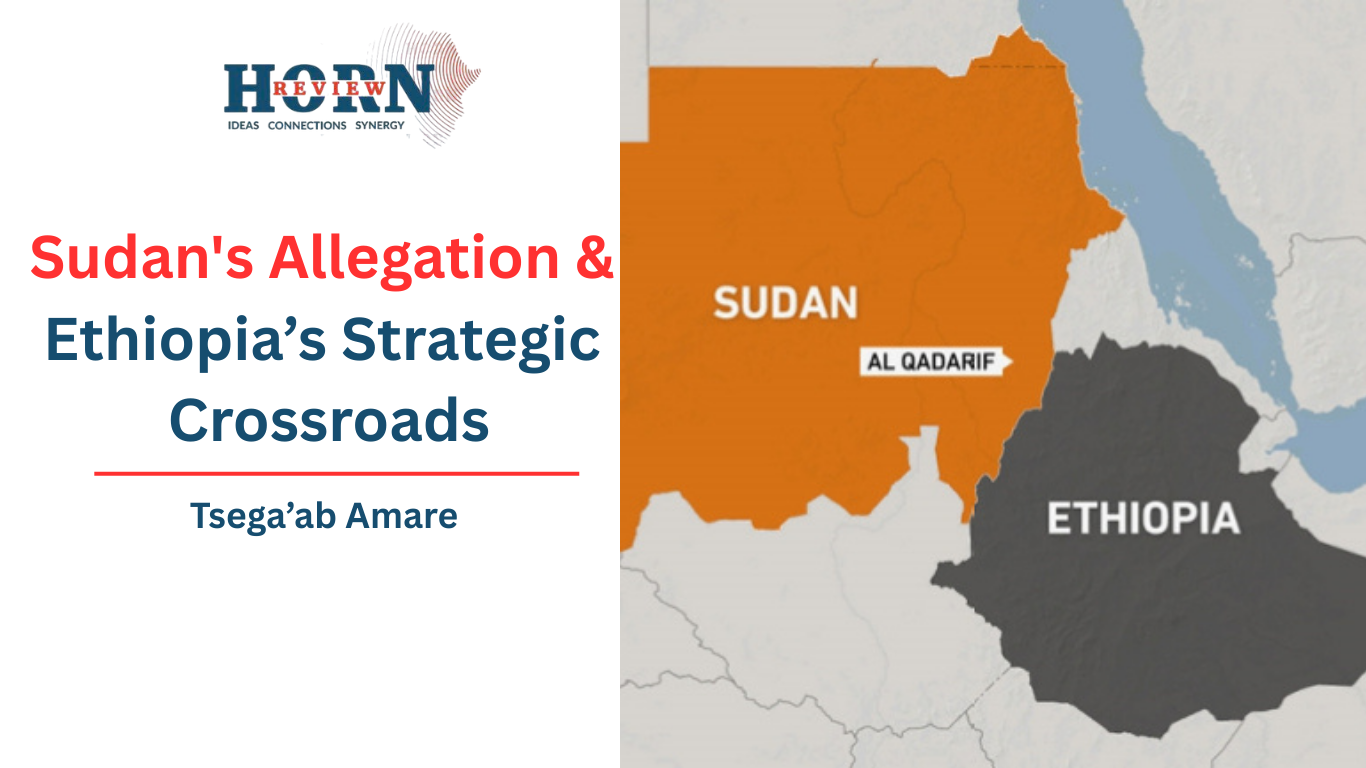
The ongoing relationship between Addis Ababa and Khartoum has reached a critical juncture, marked by heightened tensions over the Grand Ethiopian Renaissance Dam (GERD) and border disputes, notably concerning Al-Fashaga. As of March 2, 2026, Sudan’s Ministry of Foreign Affairs has issued serious allegations against Ethiopia, claiming that unmanned aerial vehicles (UAVs) were launched from Ethiopian airspace to conduct strikes within Sudan.
Sudan Accuses Ethiopia of Drone Strikes
Sudan has accused Ethiopia of facilitating drone operations amid its civil war, suggesting that recent strikes in Sudan were executed using UAVs based in Ethiopia. However, such assertions should be scrutinized critically, given that they may serve strategic narratives rather than reflect tangible realities on the ground.
The Role of Kurmuk in the Conflict
Kurmuk, a key strategic town located in Sudan’s Blue Nile State and adjacent to Ethiopia’s Benishangul-Gumuz region, has become an epicenter of escalating conflict. Despite the intense military activity involving drone warfare—evidenced by hundreds of strikes across the country—these accusations must be interpreted cautiously. Merely because military actions occur in proximity to a border does not substantiate claims of state-sponsored cross-border attacks.
Understanding the Mechanics of Drone Warfare
Modern drone capabilities no longer necessitate cross-border support. Both the Sudanese Armed Forces and the Rapid Support Forces have demonstrated the ability to acquire and deploy sophisticated drones independently. As such, without concrete evidence from radar data, debris analysis, or satellite imagery, claims of Ethiopian involvement remain unverified. Often, during conflicts, information warfare can cloud the truth, with allegations serving as tools for diplomatic maneuvering rather than factual discourse.
Ethiopia’s Strategic Interests
Ethiopia’s national interests focus on maintaining regional stability, particularly in the context of the Blue Nile, which poses risks such as refugee influxes, arms proliferation, and potential insurgent threats. Engaging actively in Sudan’s civil conflict by supporting one party would not only jeopardize Ethiopian security but could also elicit retaliation, further complicating an already tenuous situation.
The GERD project symbolizes Ethiopia’s ambitions, underscoring the need for peaceful engagement rather than embroilment in neighboring conflicts. Any perceptions of aggression towards Sudan could inadvertently unify Khartoum’s policy with Cairo, thereby presenting Ethiopia with even deeper challenges in the contentious Nile dispute.
Ethiopia’s Neutral Stance
Ethiopia has historically adopted a balanced approach regarding Sudanese conflicts, focusing on diplomatic engagement and hosting refugees while fostering a framework for peaceful resolutions. This neutrality allows Addis Ababa to engage with either faction emerging as dominant in Khartoum, ultimately working toward the preservation of Sudan’s unity.
Unconfirmed Actions and Their Implications
While it’s conceivable that non-state actors or private groups could exploit the porous border for their own ends, attributing these activities to state policy risks mischaracterization. Ethiopia has both the institutional motivations and security imperatives to ensure its territory is not weaponized for external conflicts.
This narrative also connects to the ongoing Al-Fashaga dispute, where Sudanese military factions accuse Ethiopia of violating its sovereignty. Such claims can be strategically wielded to justify militarized actions under the cover of international law, complicating the dynamics of border conflicts further. International legal standards require substantial proof before retaliatory measures can be justified, rendering Sudan’s unverified drone allegations potentially escalatory.
The Impact of Perception in Warfare
The ongoing technological conflict in Sudan highlights how perceptions significantly influence battlefield outcomes. Accusations of foreign assistance target nations like Ethiopia, Egypt, and others, generating diplomatic pressure that complicates the situation further. These narrative strategies, while prevalent, should not be confused with tangible operational collaboration.
Humanitarian Consequences and the Need for De-escalation
The humanitarian fallout from increased drone activity in Blue Nile is manifest, with rising displacement and destruction. Thus, it is crucial to address these accusations with an evidence-based approach rather than rhetoric that could escalate tensions. Should credible proof exist, it should be communicated through formal diplomatic channels to maintain transparency.
Recommendations for Building Trust
To enhance regional stability, Ethiopia could initiate confidence-building measures such as inviting third-party verification or establishing joint monitoring mechanisms at the border. Such steps would promote transparency and demonstrate commitment to peaceful coexistence.
Navigating a Complex Geopolitical Landscape
Ethiopia now finds itself at a complex geopolitical crossroad, with a civil war unfolding along its western border. The nation’s key infrastructure project remains subject to diplomatic contention, putting additional pressure on its need for security and stability. In essence, the optimal strategy for Addis Ababa is containment, rather than involvement in external conflicts.
In a rapidly changing conflict landscape, the push for clarity and peace is paramount. The use of precision drone technology brings immense capabilities, but the application of accusations must be approached judiciously. Ultimately, Ethiopia’s focus should be on safeguarding its interests while prioritizing diplomacy to avert further turmoil in the region.
Understanding this multifaceted conflict requires careful consideration of the motives and implications behind various accusations. In regions where tensions often spill beyond geographical borders, strategic restraint proves to be essential statecraft.
For more information on the nuances surrounding Ethiopia, Sudan, and the implications of drone warfare, visit the East African.
