




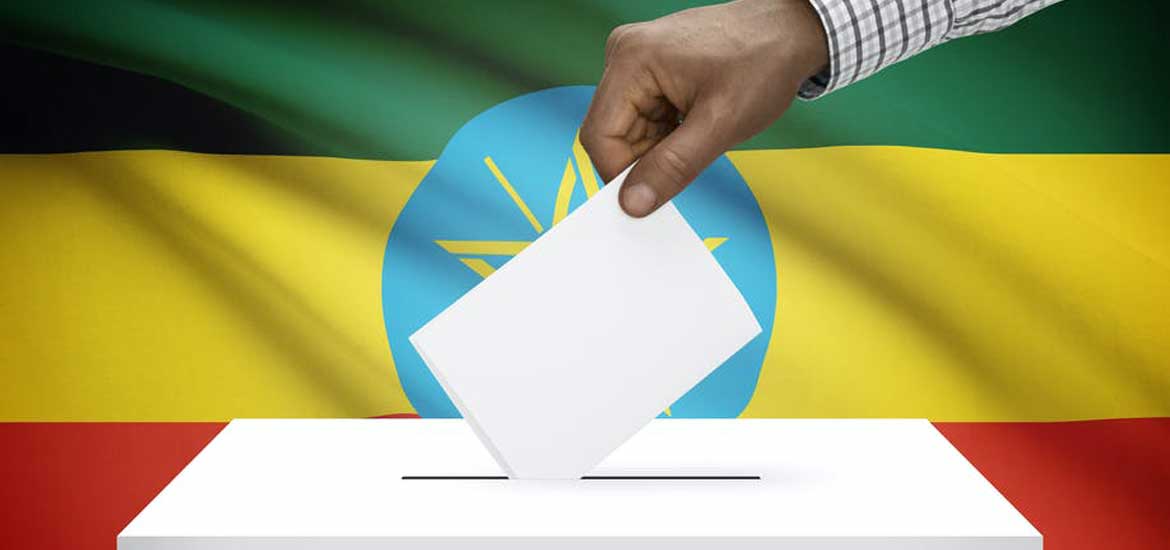
Ethiopia’s Seventh General Election: A Pivotal Moment in Democratic Evolution
As Ethiopia prepares for its seventh General Election set for June 1, 2026, the country stands at a significant crossroads in its democratic journey. This upcoming election represents a crucial moment for consolidating democratic governance and enhancing public trust in political institutions.
A Milestone for Democratic Governance
The forthcoming vote transcends a simple constitutional exercise; it is vital for reinforcing democratic principles and nurturing public confidence. Over the past decades, Ethiopia has made considerable strides in establishing representative governance, expanding political participation, and structuring a more transparent electoral environment. These developments are indicative of the nation’s broader commitment to deepening democratic practices and fortifying electoral institutions.
Key Reforms in Democratic Institutions
Recent years have seen Ethiopia undertake essential reforms aimed at strengthening pivotal democratic institutions. Notably, the National Election Board of Ethiopia and the Ethiopian Human Rights Commission have been restructured to protect electoral integrity and citizens’ rights. These reforms are essential for cultivating a more accountable and credible electoral system.
The expansion of civic spaces also marks a significant advance. The government’s recent measures to empower civil society organizations have fostered a vibrant landscape for political discourse, absent for many years.
Anticipation and Public Expectations
With public expectations for credible democratic practices reaching unprecedented heights, the upcoming election is anticipated as a crucial indicator of Ethiopia’s democratic maturity. Political analysts predict this election could mark a substantial step forward, given the enhanced independence and operational capacity of electoral institutions.
Political leaders stress the importance of this election in strengthening the institutional framework compared to previous electoral cycles. The government reaffirms its commitment to facilitating an environment conducive to free, fair, and credible choices for the electorate.
Engaging Political Campaigns and Voter Registration
As of March 6, 2026, political parties have begun engaging in debates and unveiling their manifestos. This electoral momentum paves the way for an increasingly participative electorate. Voter registration, crucial for the election, is already underway, with essential materials distributed across polling stations.
Prime Minister Abiy Ahmed has underscored the significance of credible elections in bolstering democratic governance. He noted that Ethiopia’s democratic journey requires patience and a collective commitment to preserve electoral integrity.
A Look at Electoral History
Ethiopia’s electoral history since the adoption of the federal constitution in 1995 reveals a progressive evolution toward democratic governance. The initial national elections introduced a multi-party parliamentary system, albeit during a time of political transition marked by limitations in competition.
Throughout consecutive elections—2000, 2005, 2010, 2015, and 2021—the political landscape has diversified, reflecting changing dynamics and gradually expanding participation among various groups and parties.
Strengthening Democratic Institutions
With significant advancements in institutional capacities, the National Election Board of Ethiopia has grown in autonomy and operational reach. The board aims for professionalism and transparency, prioritizing accessibility for all eligible voters.
Other crucial institutions—alongside civil society organizations—are assuming increasingly pivotal roles in maintaining electoral integrity. The National Dialogue Commission, judiciary, and parliament are instrumental in ensuring that electoral processes comply with democratic standards.
Promoting Political Participation
A noteworthy aspect of the seventh national election is the increasing participation of political actors across the board. The political arena, enriched with multiple parties and independent candidates, will enable citizens to shape the direction of national governance.
Analysts suggest that robust participation enhances democratic culture, fostering debates over national priorities. Competitive elections enable citizens to hold leaders accountable.
Ensuring Free, Fair, and Credible Elections
The successful conduct of the upcoming elections is foundational for Ethiopia’s democratic consolidation. A transparent and credible electoral process fosters political legitimacy, which is crucial for implementing national policies aimed at development.
Ethiopian leaders emphasize that democracy flourishes when institutions are trusted and citizens see their voices reflected in the electoral outcomes. A comprehensive framework involving independent management and legal oversight is critical for ensuring fair elections.
Deepening Democratic Culture
Beyond administrative and legal frameworks, the seventh national election offers an opportunity to deepen the democratic ethos in Ethiopian society. Encouraging dialogue, policy debates, and healthy competition over confrontation fosters a politically tolerant environment.
The National Dialogue Commission has focused on addressing national challenges through communal discourse. Such progressive practices foster democratic norms like accountability and compromise, vital for evolving public trust.
The Path Forward
Compared to prior elections held during transitions, the forthcoming vote will occur within a more established electoral framework. While challenges persist, Ethiopia’s advancements in strengthening democratic institutions and promoting participation reflect ongoing efforts to create a responsive political system.
Ultimately, the success of this election will rely on the collective responsibility of political leaders, institutions, and citizens to ensure transparency, fairness, and peaceful competition. Fostering a democratic process that reflects the will of the people is paramount in promoting national unity and cohesion.
The upcoming General Election not only illustrates Ethiopia’s democratic strides but also serves as a pivotal opportunity for consolidating inclusive governance. If conducted successfully, it will reinforce democratic norms, bolster institutional credibility, and enhance public confidence, guiding Ethiopia towards a future defined by the rule of law and the will of its people.
For further insights, visit the National Election Board of Ethiopia and explore their initiatives aimed at promoting democratic governance.
