




Ethiopia’s Tigray Crisis: Young Women Taking Up Arms in the Conflict
Introduction
The ongoing conflict in Ethiopia, particularly in the Tigray region, has witnessed significant participation from various demographic groups. Among these, young women have emerged as unexpected combatants, challenging traditional norms and roles within Ethiopian society. This article delves into the motivations behind these women’s enlistment in the brutal fight against Prime Minister Abiy Ahmed’s government.
The Context of the Tigray Conflict
The Tigray conflict began in late 2020, stemming from long-standing tensions between the Tigray People’s Liberation Front (TPLF) and the Ethiopian federal government. The situation escalated into a multi-faceted war involving various ethnic groups and external actors. For detailed insights into Ethiopia’s complex political landscape, Ethiopia’s Tigray crisis explained offers a comprehensive overview.
Women in Armed Struggle
Breaking Gender Stereotypes
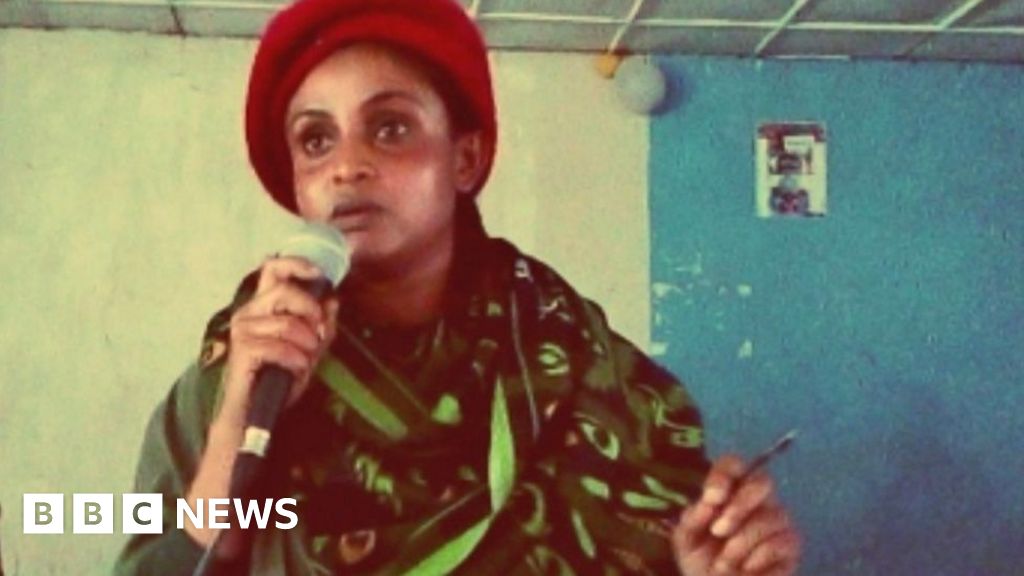
Historically, Ethiopian women have not been seen as frontline warriors, but the uprising has spurred a transformation. Many young women are stepping away from conventional roles and actively engaging in the military campaign. Interviews with female fighters reveal a deep-seated desire to defend their homeland and stand against perceived oppression. For more on women’s involvement in the Tigray conflict, consult this piece on women warriors in Tigray.
Motivations for Participation
The motivations for young women taking up arms are multifaceted:
-
Resilience Against Oppression: Many women cite personal loss or suffering due to the conflict as a driving force behind their decision.
-
Empowerment: Engaging in combat is seen as a way to reclaim agency and challenge societal norms that restrict women’s roles.
-
Community Defense: These women are often motivated by a strong sense of duty to protect their communities and families from the violence inflicted by government forces.
Tensions with Eritrea: A Wider Dilemma
A Proxy Conflict
Ethiopia’s desire for access to ports has escalated tensions not only within the country but also with neighboring Eritrea. Observers fear that Ethiopia’s quest for a port could ignite further conflict, particularly in light of the historical animosities that still linger post-war. For a more in-depth understanding, read this article on Ethiopia’s Port Ambitions.
Border Instability
The Eritrea-Ethiopia border has been a flashpoint for violence as tensions continue to simmer. Despite a peace agreement, skirmishes between Eritrean and Ethiopian forces are common, raising fears of a potential new war. For more information on border dynamics, refer to insights provided by The Africa Defense Forum.
The International Response
Regional Implications
Ethiopia’s internal strife has begun to affect its neighbors, leading to Egypt facing a tough decision regarding its foreign policy. The geopolitical complexities surrounding the Nile River and regional security are exacerbated by Ethiopia’s actions. To explore more on Egypt’s diplomatic strategies, see Egypt’s Strategic Challenges.
Current Developments and Future Directions
As of now, Tigray rebels claim that the federal government is preparing for renewed military action, escalating fears of further violence. The international community is closely monitoring the situation, urging restraint and dialog. To stay updated, check out the latest reports from Africanews.
Conclusion
The involvement of young women in the conflict in Tigray signifies a shift in societal dynamics and sheds light on the complexities of the Ethiopian crisis. As the war continues to unfold, the roles of these women—and the broader implications for Ethiopia and its neighbors—remain critical areas for observation and analysis. For further understanding, follow ongoing coverage from major news outlets.
Stay informed as these narratives evolve, shedding light on both the human and sociopolitical dimensions of the Tigray crisis.
