




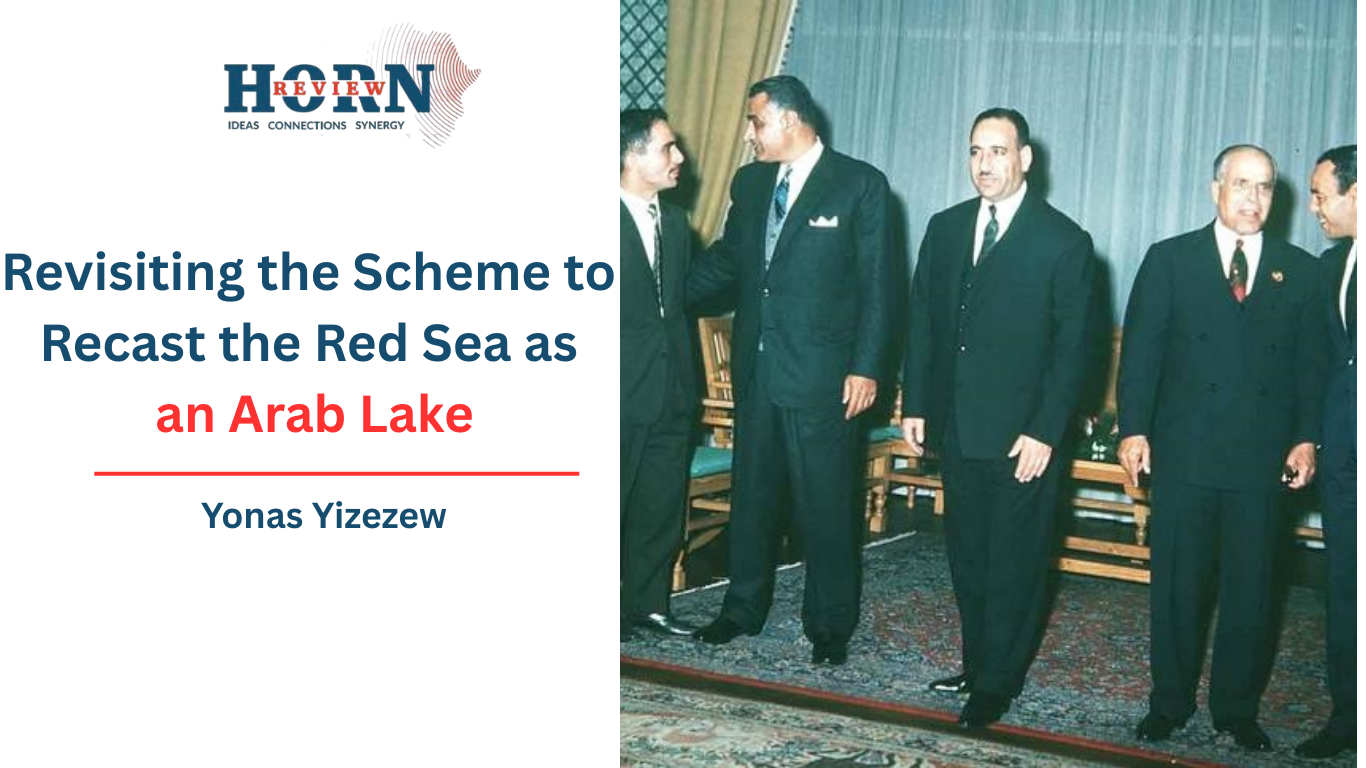
The Red Sea Arab Lake Doctrine: A Geopolitical Blueprint for Arab Dominance
Introduction to the Red Sea Arab Lake Doctrine
The Red Sea Arab Lake Doctrine, also referred to as the Arab Sea or Arab Lake concept, encapsulates a geopolitical strategy embraced by certain Arab states, particularly Egypt and Saudi Arabia. This doctrine positions the Red Sea as a maritime zone under the exclusive influence of Arab coastal nations, promoting a narrative of Arab stewardship over its security, resources, and governance.
Historical Context and Geopolitical Implications
This approach draws historical parallels with past empires, such as Rome’s Mare Nostrum. Just as the Romans regarded the Mediterranean as an internal lake, the Arab states aim to establish the Red Sea as an Arab-dominated region. Although not a formalized policy, the doctrine is communicated through diplomatic rhetoric, alliances, and regional forums, effectively marginalizing non-Arab nations like Ethiopia from asserting claims or influence along the Red Sea coast.
Mohammed Hassanein Haikal, a significant figure in Egyptian journalism and political discourse, articulated this vision succinctly in 1971. He emphasized the need for an Arab naval command to enforce this idea of the Red Sea as an Arab Lake.
Strategic Importance of the Red Sea
The Red Sea connects to the Indian Ocean through the Bab el-Mandeb Strait and forks into the Gulfs of Aqaba and Suez at its northern end. This strategic corridor is vital to global trade and energy routes. As the dominant regional players, Egypt and Saudi Arabia recognize that control over this waterway offers significant leverage over international transport and energy security.
The historical ambitions surrounding the Red Sea have raised questions among historians regarding whether these policies are truly based on pan-Arab ideals or are merely expressions of Egyptian nationalism cloaked in broader rhetoric.
The Role of Eritrean Independence
Eritrea’s secession in the 1990s dramatically altered the coastal landscape of the Red Sea. With Egypt and Saudi Arabia emerging as the principal beneficiaries, the absence of Ethiopian coastline allowed these nations to extend their influence along the Red Sea more freely. This shift was not coincidental; it was the culmination of a deliberate political strategy to consolidate Arab control over critical maritime pathways.
Historically, the Eritrean Liberation Front (ELF) received backing from Arab governments, reshaping Eritrean identity along Arab lines. This support was not merely ideological; it aimed to weaken Ethiopia and solidify an Arab presence along the coastline.
The Contemporary Geopolitical Landscape
In recent years, the Red Sea Forum (RSF) was established to coordinate security and political approaches among Arab and coastal states. Ethiopia, a significant regional player with historical ties to the Red Sea, has been noticeably excluded from this initiative. This exclusion creates strategic vulnerabilities for Ethiopia, as decisions made in the forum could impact its access to sea routes essential for trade and energy.
Implications for Ethiopia
Ethiopia’s absence from the Red Sea Forum is concerning. The forum’s decisions could legitimatize actions such as naval blockades, potentially tightening constraints around Ethiopia’s access to international shipping lanes. This situation illustrates a broader asymmetry in regional maritime governance strategies, where coastal Arab states prioritize their interests.
Conclusion
The Red Sea Arab Lake Doctrine illustrates a complex interplay of historical narratives, regional politics, and strategic interests. As Egypt and Saudi Arabia work to consolidate their influence in this critical maritime corridor, the implications are far-reaching—especially for non-Arab nations like Ethiopia.
Maintaining control over the Red Sea is not merely about territorial dominance; it reflects deeper narratives concerning identity, culture, and geopolitical ambition that shape the region’s future.
For further insights on maritime governance and geopolitical dynamics in the Arab world, explore more on Brookings and JSTOR.
This structured approach incorporates SEO strategies by using relevant keywords such as “Red Sea,” “Arab Lake,” “Egypt,” “Saudi Arabia,” and “Ethiopia.” Additionally, external links enhance the credibility and visibility of the article while adhering to a clear, engaging format.
