




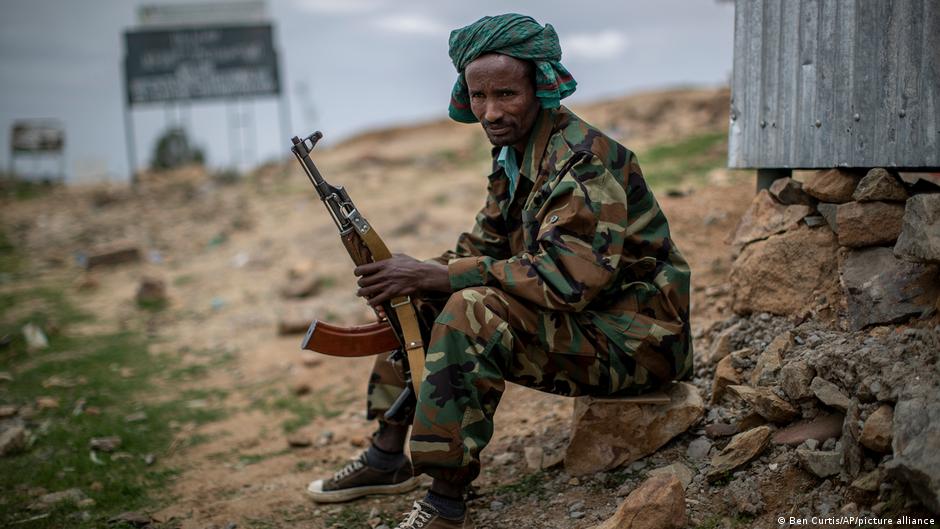
Growing Tensions in Tigray Amid Looming Conflict
The atmosphere in Tigray is palpably tense as fears mount over a potential resurgence of conflict. Following the 2022 Pretoria peace agreement, which aimed to end hostilities between the Ethiopian National Defense Force (ENDF) and the Tigray People’s Liberation Front (TPLF), residents now describe their daily lives as akin to “walking on eggshells.”
Political Instability and Uncertain Leadership
Once the backbone of Ethiopia’s ruling coalition, the TPLF has fragmented into competing factions, leading to confusion among Tigrayans about who represents their interests. This political division has created a power vacuum, and the Ethiopian federal government has accused Eritrea of covertly supporting the TPLF—claims that both TPLF and Asmara vehemently contest.
“The situation is very frightening,” stated Mustafa Abdu, a legal expert based in Tigray’s capital, Mekelle. “The federal defense forces are stationed at all borders, indicating that this [war] is inevitable,” he added, highlighting the precariousness of the situation.
Economic Impact and Rising Prices
The fear of conflict has led to skyrocketing prices in Tigray. “Just last week, a liter of petrol was 220 Ethiopian Birr ($1.42, €1.20). As tensions escalate, the price has increased by 50, 60, even 70 more Birr daily,” explained Gebre Tsadiq Abraha, a taxi driver in Mekelle. This financial strain is forcing residents to hoard essential goods, which includes not just fuel but also food and medicines, as many recall the devastating shortages during previous conflicts.
Desperate Measures Amidst Uncertainty
Residents like Nathaniel Tekleberhan assert that those with chronic illnesses are having to buy and store medicines in bulk, reminding everyone of their painful experiences from the last war.
Real Risk of Renewed Conflict
Amdom Gebreselassie, chairperson of Arena Tigray for Democracy and Sovereignty, echoes concerns that TPLF forces are active in the region, stating there is a heightened risk of war with Eritrean intelligence operatives reportedly infiltrating various areas.
“The war has hit the people of Tigray hard. They have not yet overcome their pain,” said Abdu, pointing to the lack of functioning markets and empty banks as evidence of the region’s dire straits.
Call for De-escalation from the UN
UN human rights chief Volker Turk recently called for immediate de-escalation, emphasizing the urgent need for political dialogue and confidence-building instead of armed confrontations.
Restricted Media Access
Adding to the unsettling environment, recent reports indicate that journalists are facing increased barriers to access. A correspondent from AFP was denied boarding a flight to Tigray due to a new requirement for authorization from the Ministry of Foreign Affairs, a move seen as restricting media freedom in the region. Ethiopia was already ranked 145th out of 180 countries in the 2025 Press Freedom Index, with several journalists currently detained.
Tensions with Eritrea and Maritime Aspirations
Compounding the situation are rising tensions with Eritrea. Prime Minister Abiy Ahmed’s calls for Ethiopia to secure sea access have led to increased anxiety in Eritrea, as many fear such ambitions could spark an escalation of conflicts. “Ethiopia has become a geographical prisoner,” Abiy stated recently, emphasizing that the nation’s economic growth is contingent upon access to the sea.
Relations between Ethiopia and Eritrea showed signs of thawing after a peace agreement in 2018, but the situation has deteriorated sharply since 2023, with military mobilizations on both sides heightening fear among civilians living along the border.
The Road Ahead
Despite the ongoing hostilities and fears, both governments insist they seek resolution through peaceful means. However, the public remains skeptical. In the meantime, communities on both sides of the border hold their breath, hoping that diplomacy will prevail and further violence remains at bay.
