




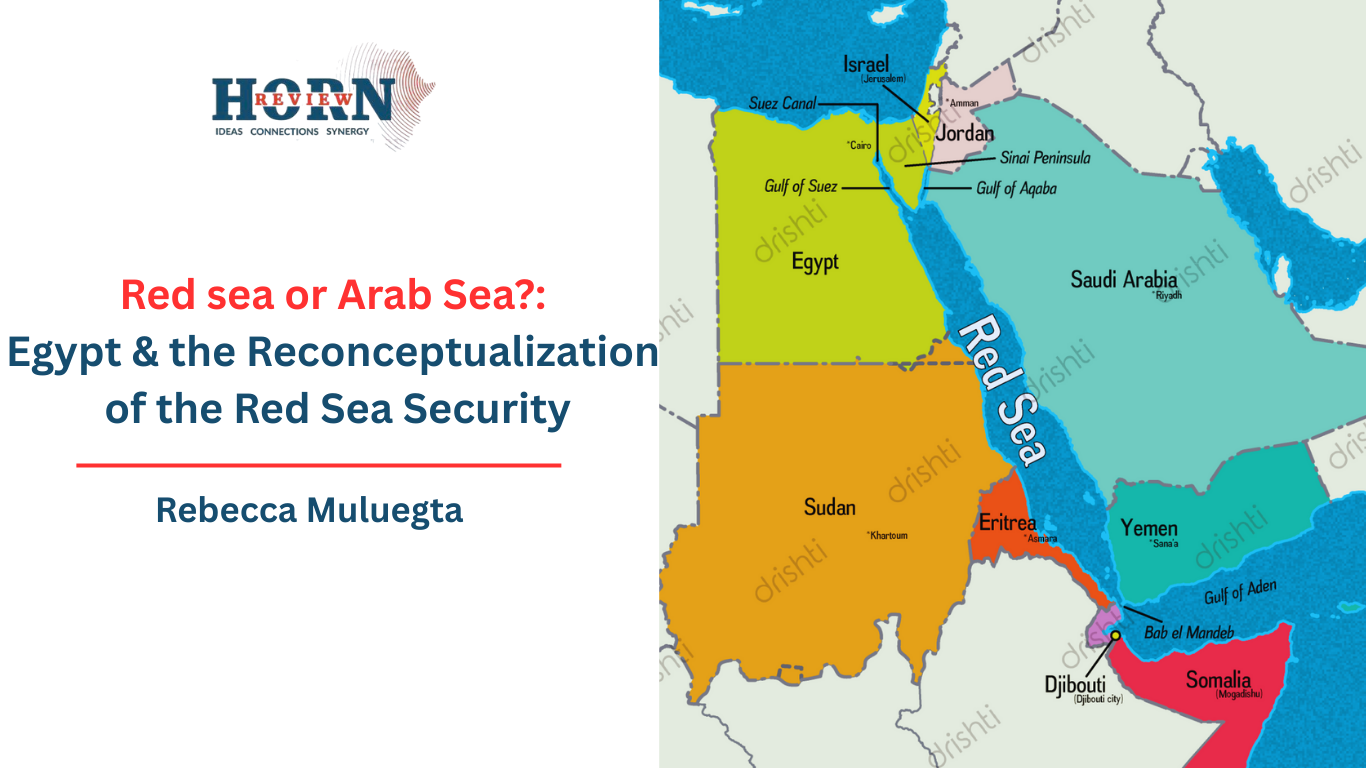
The Red Sea: Emerging Geopolitical Dynamics and the “Arab Sea” Concept
Introduction: Redefining the Red Sea
The Red Sea is undergoing a significant geopolitical transformation, emerging as an exclusive “Arab Sea” wherein Egypt exerts substantial influence through strategic alliances with nations like Saudi Arabia, Sudan, Eritrea, and Djibouti. This rebranding not only shifts maritime narratives but positions Ethiopia, a landlocked nation, as an “aspirational outsider” in a tightly controlled region.
Egypt’s Strategic Influence in the Red Sea
Historical Context
Egypt draws upon its rich historical legacy, where pharaohs once navigated these waters to acquire treasures from distant lands. Today, this maritime space is framed as a domain strictly for Arab states. Egypt claims that any attempts by Ethiopia to engage with this sea are seen as overreach, akin to a newcomer trying to claim a shared beach house.
Political Maneuvering
Egypt’s actions are not merely rhetorical; they extend into concrete political and military strategies. By supporting Somali factions that oppose Ethiopia’s regional ambitions and fostering relationships with Eritrea, Egypt has effectively positioned itself in a controlling gaze over the Red Sea. This cooperation acts like a fence, with Egypt safeguarding the interests of its Arab allies while keeping Ethiopia at bay.
The Triangular Dynamics of the Red Sea
Egypt, Israel, and Ethiopia: A Complex Triangle
Amidst these shifting allegiances, the Red Sea has become a theater for an intricate triangular dynamic involving Egypt, Israel, and Ethiopia. Egypt leads an axis of regional solidarity focused on containing Ethiopia, while Israel remains an ambiguous participant, strategically weaving its interests without overtly challenging Egypt’s dominance.
Hydro-political Conflicts
This strategic containment links directly to the hydro-political tensions over the Nile River. Egypt has effectively merged its maritime and water security narratives, asserting that any gains for Ethiopia in maritime access will lead to stricter control over Nile waters. This compelling strategy reveals the zero-sum nature of Egypt’s approach, offering maritime concessions in exchange for diminishing Ethiopia’s water rights.
The Rising Tensions and Regional Reactions
The Arab Narrative vs. Ethiopian Resilience
Egypt’s framing of the conflict emphasizes Arab unity against external threats, bolstered by Gulf interests. Yet, Ethiopia counters this narrative with its rich historical claims over the Red Sea, invoking tales of ancient empires and prophets. Despite Ethiopia’s assertive rhetoric, the louder Arab voices shaped by Egypt often overshadow it.
The Looming Credibility Gap
The sustained narrative of Egypt’s dominance, backed by proxy maneuvers and Gulf-capital engagement, faces potential vulnerabilities. Ethiopia’s historical strength and demographic significance manifest a resilience that could disrupt Egypt’s tightly woven maritime narrative. As actors like Israel start to notice the fraying edges of this consensus, the risk of friction escalating into broader conflicts looms.
Future Landscapes: The Need for Adaptation
An Evolving Geopolitical Landscape
By early 2026, the geopolitical landscape of the Red Sea is marked by persistent tensions and localized unrest. While Egypt seeks to maintain stability through a restrictive narrative, the reality suggests a shift toward a multi-polar dynamic that cannot be fully controlled. The growing influence of rising powers challenges Egypt’s traditional narratives and strategies.
Demands for Regional Adaptive Solutions
The future of the Red Sea hinges on the ability to adapt. Acknowledging Ethiopia’s energy potential and altering the rigid approach to regional relations could facilitate a transition from a region characterized by conflict to one enriched by collective economic benefits. The imperative for entrenched powers is clear: adopt a flexible, inclusive approach or risk being outmaneuvered by emerging forces.
Conclusion: Navigating New Waters
The Red Sea holds a pivotal role in the interplay of geopolitical forces, where historical ambitions collide with contemporary aspirations. As regional dynamics evolve, the emergence of multi-faceted narratives invites not only cooperation but challenges entrenched hegemonies. The trajectory of the “Arab Sea” concept and its surrounding alliances will determine whether this strategic corridor becomes a site of prosperity or persistent conflict.
For more insights into the geopolitical dynamics of the Red Sea, visit Horn Review and African World Heritage Sites.
