




Ethiopia’s Bold Move Towards Energy Independence: A Focus on Local Production
Addis Ababa, January 27, 2026 — Ethiopia is embarking on a transformative journey to enhance its energy sector by prioritizing domestically manufactured solutions. This strategic initiative aims to reduce dependence on imported technologies and bolster local production capabilities.
A Partnership for Progress
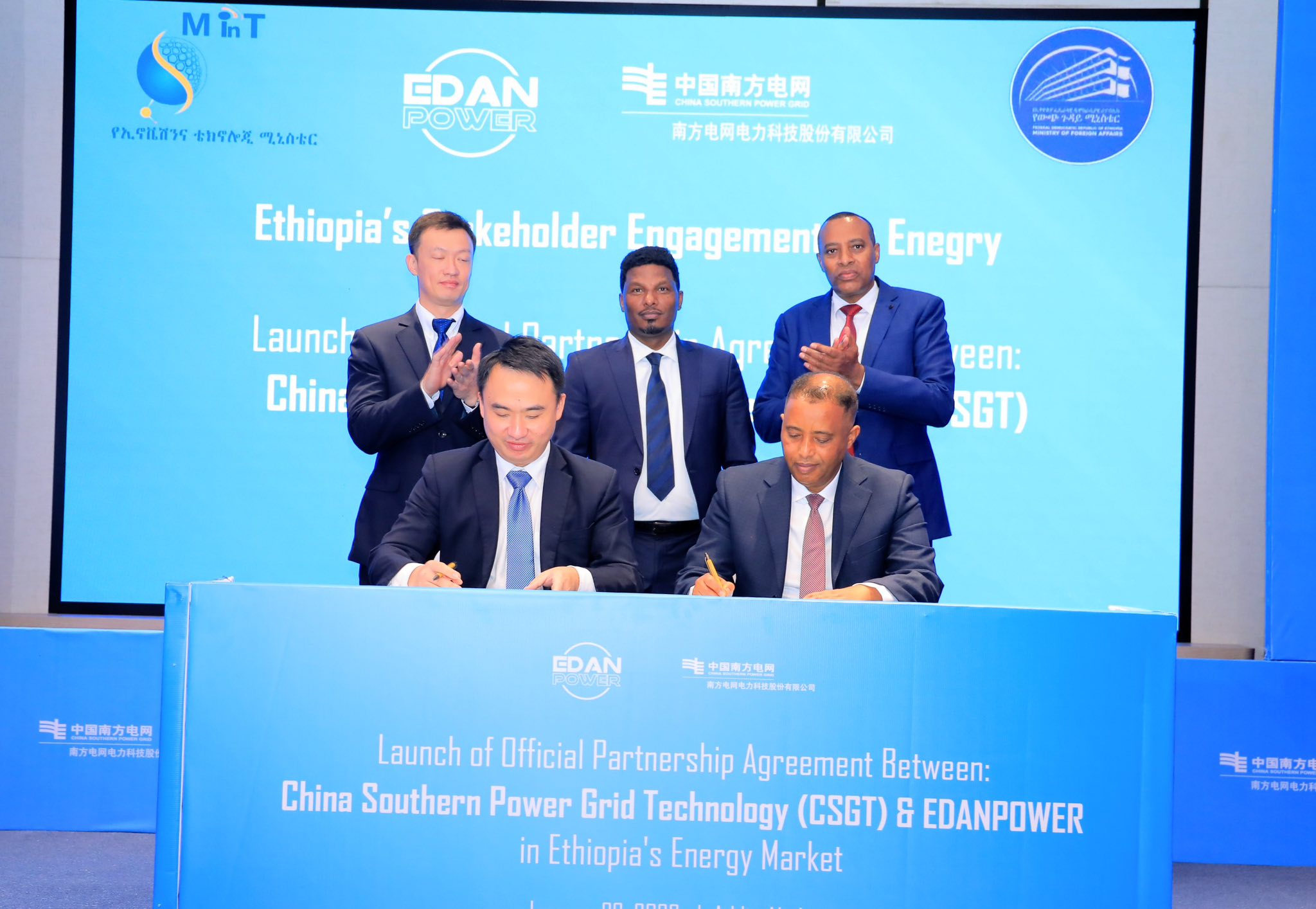
The Ministry of Innovation and Technology has announced a collaborative effort with China Southern Power Grid Technology and EDAN Power Group. Together, they aim to localize energy production technologies, marking a significant shift towards “Made in Ethiopia” energy solutions.
Key Objectives of the Initiative
- Reducing Dependency: The initiative focuses on minimizing reliance on foreign energy technologies.
- Local Capacity Development: It aims to leverage local expertise and resources for energy production.
- Strengthening Energy Sovereignty: This partnership is a strategic step towards enhancing Ethiopia’s energy independence.
State Minister of Innovation and Technology, Baysa Bedada, highlighted the critical role of reliable electricity in national development. He emphasized that dependable power supply is essential for both technological advancement and Ethiopia’s digital transformation agenda.
The Importance of Sustainable Energy Solutions
Baysa articulated that a robust energy infrastructure is not merely an option but a necessity for achieving Ethiopia’s long-term economic and digital aspirations. He underscored the need for a multi-faceted approach to meet the country’s rapidly growing energy demands sustainably. This includes integrating renewable energy sources and localized mini-grid systems into the national infrastructure.
Benefits for Entrepreneurs and Businesses
The proposed solutions are particularly advantageous for entrepreneurs operating in diverse regions, allowing them to leverage reliable energy sources for their ventures.
Enhancing Energy Security
EDAN Electro Power Group’s CEO, Endris Adem, noted that the partnership will significantly bolster national energy security. It aims to fast-track technology transfer, enhance digitalization, and expand renewable energy supplies. Moreover, it strives to actively engage stakeholders across the energy ecosystem.
Alignment with National Goals
According to Endris, this collaboration is a manifestation of a shared commitment to:
- Joint investment in infrastructure development.
- Supporting domestic production aligned with Ethiopia’s National Electrification Program and Digital Ethiopia 2030 initiatives.
Adapting Technology to Local Needs
Zhao Ziyi, Secretary of the Board of Directors of China Southern Power Grid Technology, confirmed that their partnership will adapt advanced Chinese power technologies to fit Ethiopia’s specific needs and development goals. This cooperation is anticipated to encompass modern power grid systems and energy storage technologies, crucial for addressing the country’s current and future energy challenges.
Strengthening Cooperation Across the Energy Value Chain
“This signing ceremony provides an opportunity to strengthen cooperation with Ethiopian institutions and stakeholders throughout the energy value chain,” stated Zhao.
Emphasizing Sustainability and Capacity Development
The initiative will significantly focus on sustainability, technology transfer, and the development of human capacity. Targeted training programs and close institutional collaboration are set to build long-term local expertise and technical capabilities.
Government Support for Local Technology Companies
Ethiopian government officials have reaffirmed their commitment to creating an enabling environment for local technology enterprises. This includes facilitating partnerships with international firms, supporting technological acquisition, and ensuring effective technology transfer to fortify the domestic energy industry.
Ethiopia’s ambitious endeavor to localize energy production is a major stride towards a self-sufficient, sustainable future. As the nation embraces advanced technologies and fosters local expertise, it paves the way for a more resilient and efficient energy landscape.
