




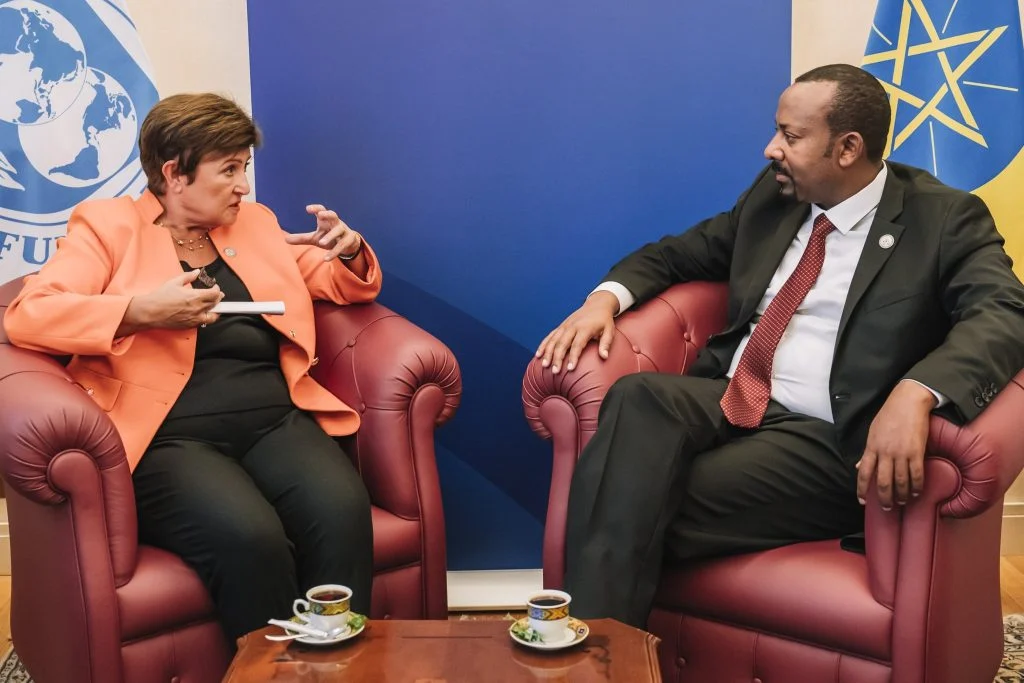
IMF Approves $261 Million Disbursement for Ethiopia Amid Economic Reforms
The International Monetary Fund (IMF) has recently approved a significant disbursement of $261 million for Ethiopia, marking a crucial milestone in the country’s ongoing economic reform efforts. This funding was sanctioned after the completion of the fourth review of Ethiopia’s 48-month Extended Credit Facility (ECF) program, designed to support the nation’s financial stability and growth.
Total Disbursements Under the ECF Program
With this latest injection of funds, the total IMF disbursements under the ECF program now exceed $2.18 billion, part of a broader support package approximated at $3.4 billion. The purpose of these funds is to aid Ethiopia in managing balance-of-payments challenges while also addressing critical budgetary needs during a time of extensive economic reform.
Positive Economic Indicators
In assessing Ethiopia’s economic landscape, the IMF has identified that the country’s performance has surpassed expectations. Key indicators of this growth include:
- Strong Economic Growth
- Increased Exports
- Improved Revenue Collection
- Rising Foreign Exchange Reserves
Furthermore, inflation rates are beginning to show signs of easing, indicating a gradual stabilization of economic conditions.
Supporting Ethiopia’s Homegrown Economic Reform Agenda
The ECF program is vital to Ethiopia’s Homegrown Economic Reform Agenda, aimed at rectifying long-standing macroeconomic imbalances and fostering private-sector-led growth. The IMF has confirmed that Ethiopia has successfully met all major quantitative targets and the majority of structural benchmarks set forth in the program.
Budget Management and Fiscal Responsibility
Despite these positive developments, the IMF has pointed out a divergence between the federal budget for the current fiscal year and prior program assumptions. Ethiopian authorities are committed to establishing new measures to mitigate the deficit and align spending with the agreed objectives of the program.
Recommendations for Continued Reform
The IMF has underscored the importance of maintaining a tight monetary policy to keep inflation in check. Additionally, ongoing reforms in the foreign exchange market and enhancements in tax and customs processes are critical for broadening the tax base and supporting sustained economic growth.
Progress on Debt Restructuring Initiatives
On the issue of debt restructuring, the IMF has welcomed advancements made under the G20 Common Framework, which includes the signing of a memorandum of understanding with official creditors. Meanwhile, negotiations with private creditors are still ongoing, signaling continued efforts to ensure fiscal sustainability.
Outlook for Ethiopia’s Economic Future
Nigel Clarke, the IMF Deputy Managing Director, has expressed optimism about the outcomes of reforms in areas such as foreign exchange policy and financial regulation, stating that they are yielding “encouraging results.” Maintaining this reform momentum is deemed crucial to achieving Ethiopia’s medium-term growth and poverty reduction objectives.
Conclusion
The latest disbursement underscores international confidence in Ethiopia’s reform trajectory. Stability remains tightly woven into the fabric of sustained policy discipline and institutional credibility. As observed across many African nations navigating similar challenges, progress is often non-linear, and transformation necessitates time and resilience.
Ethiopia’s journey reflects a broader narrative of African economies, which, despite facing hurdles, are young, adaptive, and resilient—reinforcing that today’s reforms are laying the groundwork for a more stable and self-determined future.
For further reading on Ethiopia’s economic strategies and IMF support, explore additional resources about the IMF Extended Credit Facility and Ethiopia’s Homegrown Economic Reform Agenda.
