




Empowering Women in Ethiopia’s Leather Industry: The LISEC Initiative
For many women across Ethiopia, balancing paid employment with unpaid domestic responsibilities presents a significant challenge. This dual burden often limits their access to education, stable jobs, and career growth, especially in labor-intensive sectors such as leather and agro-processing. Consequently, numerous women are kept from opportunities that could enhance their economic independence and long-term prospects.
Tackling Gender Imbalance in the Workforce
The Leather Initiative for Sustainable Employment Creation (LISEC), a project spearheaded by the United Nations Industrial Development Organization (UNIDO) and funded by the European Union, seeks to address this gender disparity in the leather industry. Through targeted interventions, LISEC promotes equal opportunities for women throughout the leather value chain, which includes abattoirs, tanneries, and industry youth clusters.
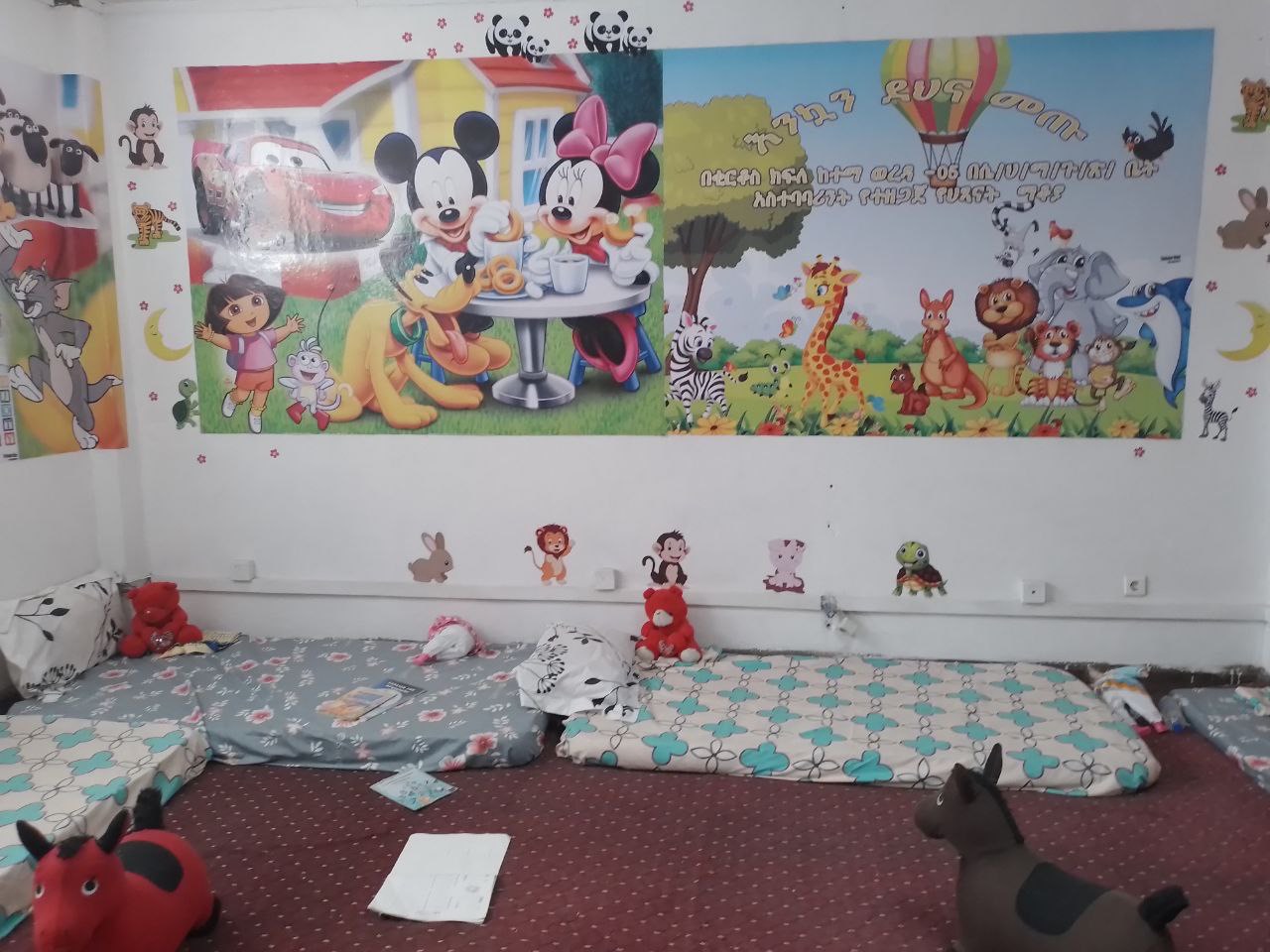
One impactful strategy has been improving access to childcare, encouraging workplaces to acknowledge and support the specific needs of women aiming to thrive in their careers.
Real-Life Success: Selamawit Alemayehu’s Journey
At the Addis Ababa Abattoirs Enterprise, significant changes fueled by LISEC have positively influenced women employees. Selamawit Alemayehu is a notable example. After facing numerous obstacles in her search for stable employment—including financial difficulties that led her to leave vocational school and migration for domestic roles in Arab countries—Selamawit has now secured a position as a cleaner.
Her story underlines the limited opportunities faced by many women when childcare responsibilities and economic hardships intersect.
Addressing Childcare Challenges
Under the LISEC initiative, the abattoir has implemented measures to enhance working conditions for female employees, including facilitating access to affordable childcare. This effort was based on a gender analysis identifying childcare as a substantial barrier to women’s participation and advancement in the leather industry. Awareness campaigns further highlighted the economic and social contributions that women make in the workplace.
The solution was both practical and intentional: the enterprise arranged for access to a nearby government-run childcare facility, strategically located to minimize exposure to noise and waste from the abattoir. This significant change has transformed Selamawit’s daily routine; now, her husband drops their daughter off at daycare in the morning, and Selamawit picks her up in the evening. Free from daily childcare worries, Selamawit can concentrate on her career aspirations.
Ambitions Realized: Breaking Barriers
Selamawit now seeks to transition into flaying—a higher-paying position traditionally held by men. Her ambitions are bolstered not just by her personal determination but also by the elimination of barriers that previously seemed insurmountable.
A Broader Impact on Ethiopia
The challenges of childcare responsibilities continue to restrict women’s access to education and professional advancement in Ethiopia. By directly addressing these issues, the LISEC project empowers women to join the leather industry, confront entrenched gender norms, and enhance community livelihoods.
For African economies, where industrial growth and youth employment are pressing needs, LISEC provides essential insights. Sustainable development is not merely about job creation; it requires creating conditions that enable women to work, excel, and emerge as leaders. As African industries adapt, recognizing and supporting women’s caregiving roles will be crucial to achieving inclusive and enduring economic transformation.
Conclusion: A Call for Inclusive Growth
The ongoing efforts of LISEC not only enhance women’s participation in the leather industry but also highlight the importance of gender-responsive workplaces throughout Africa. By dismantling barriers to childcare, these initiatives hold the potential to significantly boost women’s economic empowerment, ultimately fostering an inclusive and sustainable future for all.
For more information on initiatives supporting women in the workforce, explore resources on gender equality in industry and childcare solutions.
