




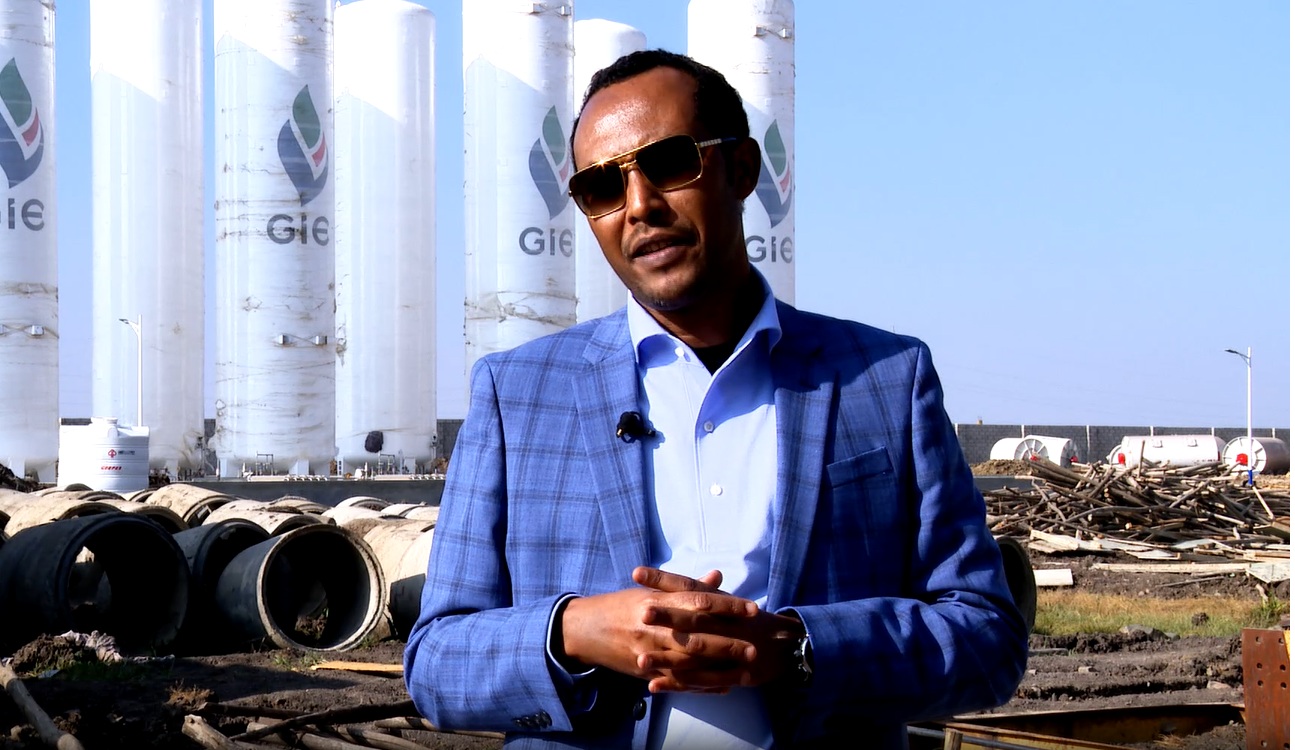
Ethiopia’s Macroeconomic Reform Fuels Growth in Mineral Resources
Ethiopia’s efforts in macroeconomic reform are significantly advancing the nation’s mineral resources, as highlighted by Habtamu Tegegne, the Minister of Mines. This transformation not only aims to enhance the economy but also to boost the industrial sector, particularly in ceramic production.
Comprehensive Growth in Mineral Resources
During a recent visit to the Baja Ceramic Factory in Bulga City Administration, North Shewa Zone, Minister Habtamu declared that the facility is set to position Ethiopia as a top producer of floor and wall tiles in Africa. The factory is currently under construction and is anticipated to revolutionize the local ceramic market.
Substituting Imported Ceramic Products
A key milestone anticipated by the Minister is the complete substitution of imported ceramic products within a few months. This shift aligns with Ethiopia’s strategic goal to minimize reliance on foreign imports and develop local manufacturing capabilities.
Investment and Job Creation
The Baja Ceramic Factory is financed by two Chinese investors contributing a substantial 10 billion Birr (approximately $200 million). Remarkably, the factory is ahead of schedule, with plans to utilize 95% of locally sourced raw materials. This local sourcing is viewed as a “golden opportunity” for revitalizing the Ethiopian construction industry and creating numerous job opportunities for its citizens.
The Role of Foreign Direct Investment
The macroeconomic reforms implemented have catalyzed a wave of foreign direct investment (FDI) in the mining sector. This influx of capital allows Ethiopia to better leverage its vast mineral potential, thus enhancing overall economic stability.
Production Capacity and Export Potential
According to Minister Habtamu, the Baja Ceramic Factory is expected to commence production within three months, initially producing 35,000 square meters of ceramics per day. This capacity aims not only to meet domestic demand but also to create a surplus for export, further bolstering the country’s economic standing.
Commitment to Sustained Growth in the Mining Sector
The strategic elevation of the mining sector is recognized as a cornerstone of Ethiopia’s economic growth. Minister Habtamu emphasized that other large-scale factories currently in development will fulfill the increasing domestic demand for granite and marble products. This comprehensive growth in various sectors demonstrates Ethiopia’s commitment to a sustainable and diversified economy.
Conclusion: A Promising Future for Ethiopia’s Industrial Landscape
Ethiopia’s macroeconomic reform is successfully igniting significant advancements in mineral resources, particularly in the ceramic industry. With a focus on local production, job creation, and sustainable practices, the country is well on its way to securing a prominent position in the African manufacturing sector.
For further insights into Ethiopia’s industrial developments and investment opportunities, refer to resources on Foreign Direct Investment in Ethiopia, and stay updated on the latest news regarding Ethiopian Economic Reforms.
External Links:
- For detailed information on Ethiopia’s investment strategies, visit the Ethiopian Investment Commission.
- To learn more about foreign direct investment impacts, see this World Bank resource.
