




Humanitarian Crisis Looms in Gambella Amid Escalating Violence
The southern region of Gambella, Ethiopia, is on the brink of a humanitarian disaster as the federal government sends troops to quell a surge of violence. Residents and humanitarian workers attribute this unrest to rapidly deteriorating living conditions in the area.
Rising Violence and Relocation of Aid Agencies
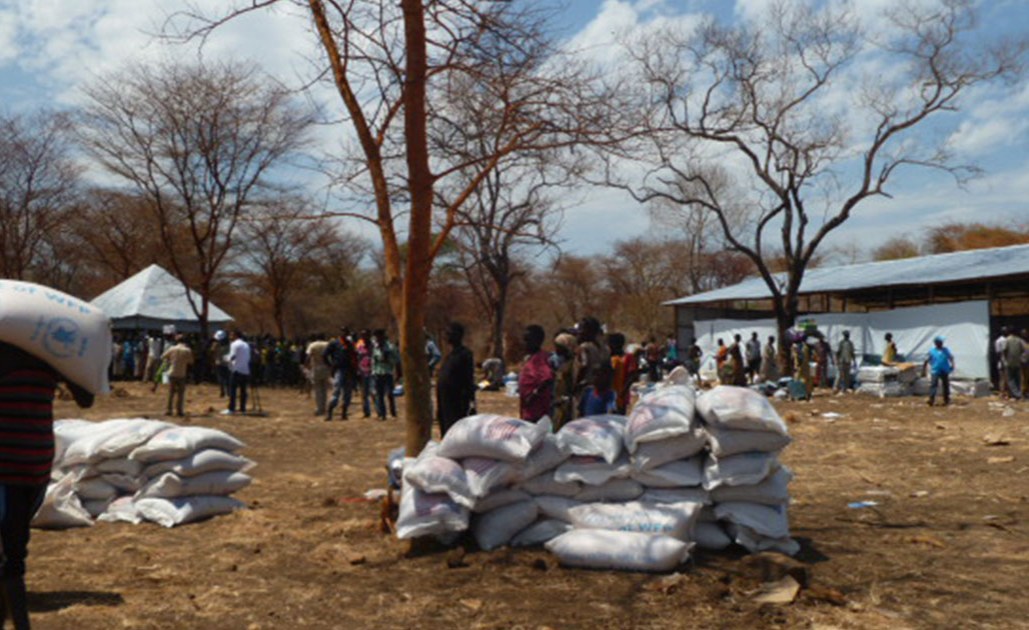
As conflict escalates, relief organizations are halting their operations, leaving vulnerable communities without essential support. The situation has worsened due to an influx of refugees fleeing violence in neighboring Sudan and South Sudan. Notably, the World Food Programme (WFP) has recently suspended food distribution in Gambella, where over 400,000 refugees rely on assistance, including new arrivals from these countries. A WFP spokesperson stated, “Due to escalating tensions in the Gambella region, ongoing food distribution has been temporarily halted.”
Triggering Events of the Current Unrest
The recent violence erupted following the assassination of Gambella’s police chief, Umod Ujulu, who belonged to the Nuer ethnic group. His killing by a deputy from the Anuak ethnic group initiated widespread unrest that has become increasingly difficult to control. Alemitu Omod, President of the Gambella Regional State, reported numerous civilian casualties and indicated that many remain unaccounted for as tensions persist and curfews have been implemented to allow families to recover their loved ones’ bodies.
Ethnic Tensions and Economic Strain
Gambella, traditionally a hotspot for ethnic clashes, particularly between the Nuer and Anuak, is currently grappling with intensified violence. Nyateny Nul, a local resident, highlighted the community’s struggles with soaring unemployment and declining support for refugees from South Sudan and Sudan. She noted, “People are now hungry and they blame their misfortune on others, pushing them to see violence as a way to escape their extreme poverty.”
The region’s political landscape, characterized by ethnic divisions, complicates governance and increases the risk of recurrent conflicts that often spill into refugee camps. These camps have been facing declining aid support since last year, exacerbating an already dire situation.
Current Conditions in Refugee Camps
A statement from Doctors Without Borders underscores the grim conditions in Gambella. “Living conditions for refugees in Ethiopia’s Gambella region are rapidly deteriorating following significant cuts to humanitarian aid,” they reported. Many residents express that conditions have worsened, making these camps vulnerable to conflict as populations fight for scarce resources.
James Akob, a recent refugee from Juba residing in the Pugindo camp, described the escalating violence as a “bloodbath,” explaining how ethnic tensions have led to killings even within overcrowded refugee settlements. “Hungry residents turning against each other based on ethnicity, blaming their misfortunes on others,” stated Akob. He suggested that the unrest has been fueled by external influences, particularly those from the Sudan People’s Liberation Movement-In Opposition (SPLM-IO).
Conclusion
The Gambella region is at a critical juncture. As international aid declines and ethnic tensions rise, the need for immediate attention and solutions becomes increasingly urgent to prevent further humanitarian catastrophe. Addressing the core issues of poverty, governance, and ethnic division is crucial for restoring peace and stability in this troubled region.
For further insights, stay updated with the latest headlines and monitor the situation through trusted news sources.
