




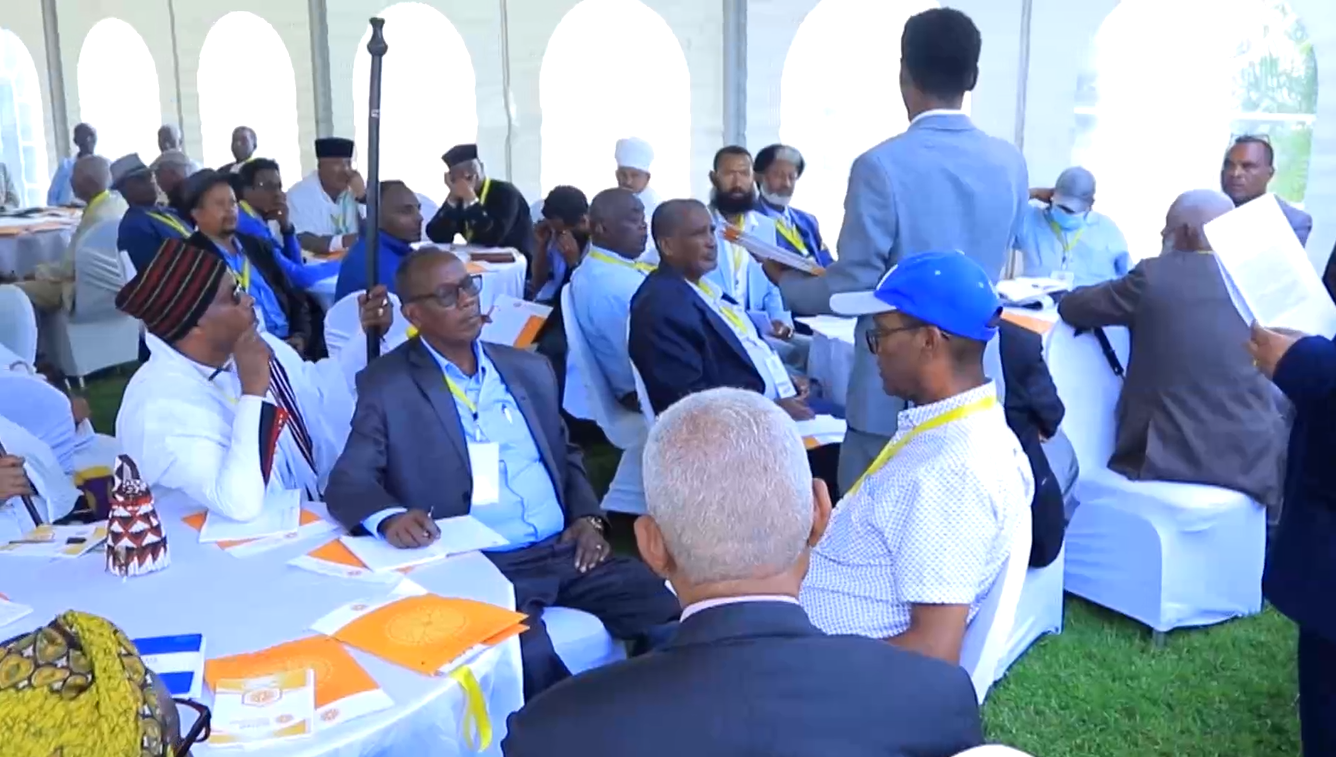
Ethiopia’s National Dialogue: A Call for Unity and Lasting Democracy
Addis Ababa, December 28, 2025 — The Ethiopian Civil Society Organizations Council (ECSOC) is urging citizens to engage in the ongoing National Dialogue, deeming it a pivotal opportunity for creating a shared national consensus and establishing a foundation for lasting democracy in Ethiopia.
Addressing Historical Divisions
Ethiopia has faced decades of political strife characterized by severe polarization and ideological conflicts that have left profound divisions within its society. The government has taken a proactive step by launching a nationwide dialogue aimed at fostering inclusion, bridging divides, and promoting reconciliation among its citizens. This initiative seeks to address historical wounds, build consensus on essential national issues, and pave the way for sustainable political and social development.
The Importance of Citizen Engagement
ECSOC President Ahmed Hussein emphasized that Ethiopia has repeatedly encountered crises rooted in a lack of consensus on shared national interests. He expressed that the country has paid a steep price for failing to unify on fundamental issues and urged all Ethiopians to actively participate in the dialogue process to avoid past mistakes.
Preparing for the National Dialogue Conference
The Ethiopian National Dialogue Commission is currently in the process of finalizing agenda items and mobilizing resources ahead of the upcoming National Dialogue Conference. Ahmed remarked that this dialogue presents a “golden opportunity” to forge a common understanding regarding unresolved national agendas that have persisted for centuries.
He stressed that an exemplary democratic system and a conducive political atmosphere can only be realized through inclusive dialogue that prioritizes the exchange of ideas. “National consensus can be reinforced when differences are settled through dialogue rather than confrontation,” he noted.
Role of Civil Society
The ECSOC is committed to providing constructive support to ensure that the pre-conference dialogue process is participatory, inclusive, and credible. As Ahmed pointed out, this national dialogue offers a significant chance to strengthen unity and reinforce consensus among diverse groups in society.
Civil society organizations working closely with women and youth are also dedicated to this process. Worknesh Begi, founder and director of Turcanfi Sustainable Development, shared her organization’s commitment to encouraging women’s participation in the discussions, stating, “We have helped women engage meaningfully by gathering their views and submitting agenda proposals aimed at building national consensus.”
Engaging Ethiopian Youth
In addition to women’s involvement, initiatives are underway to bolster youth participation in the National Dialogue. Sisay Tarekegn, secretary of the Wibuntu Peace Building Alliance, affirmed that they are taking concrete steps to ensure active youth engagement in agenda-setting and consultations associated with the dialogue. His organization plans to continue providing unwavering support for the success of the National Dialogue Conference.
Conclusion
The ongoing National Dialogue in Ethiopia represents a crucial opportunity for citizens to contribute their voices towards a unified national agenda. By participating in this inclusive process, individuals can help address long-standing grievances and work towards a democratic future. To learn more about the initiatives and ongoing efforts related to the National Dialogue, visit Ethiopian Civil Society.
Engagement from every sector of Ethiopian society is vital as the nation embarks on this transformative journey. Together, citizens can pave the way for a more cohesive and democratically robust Ethiopia.
