




Ethiopia’s Agricultural Renaissance: Aiming for Wheat Self-Sufficiency
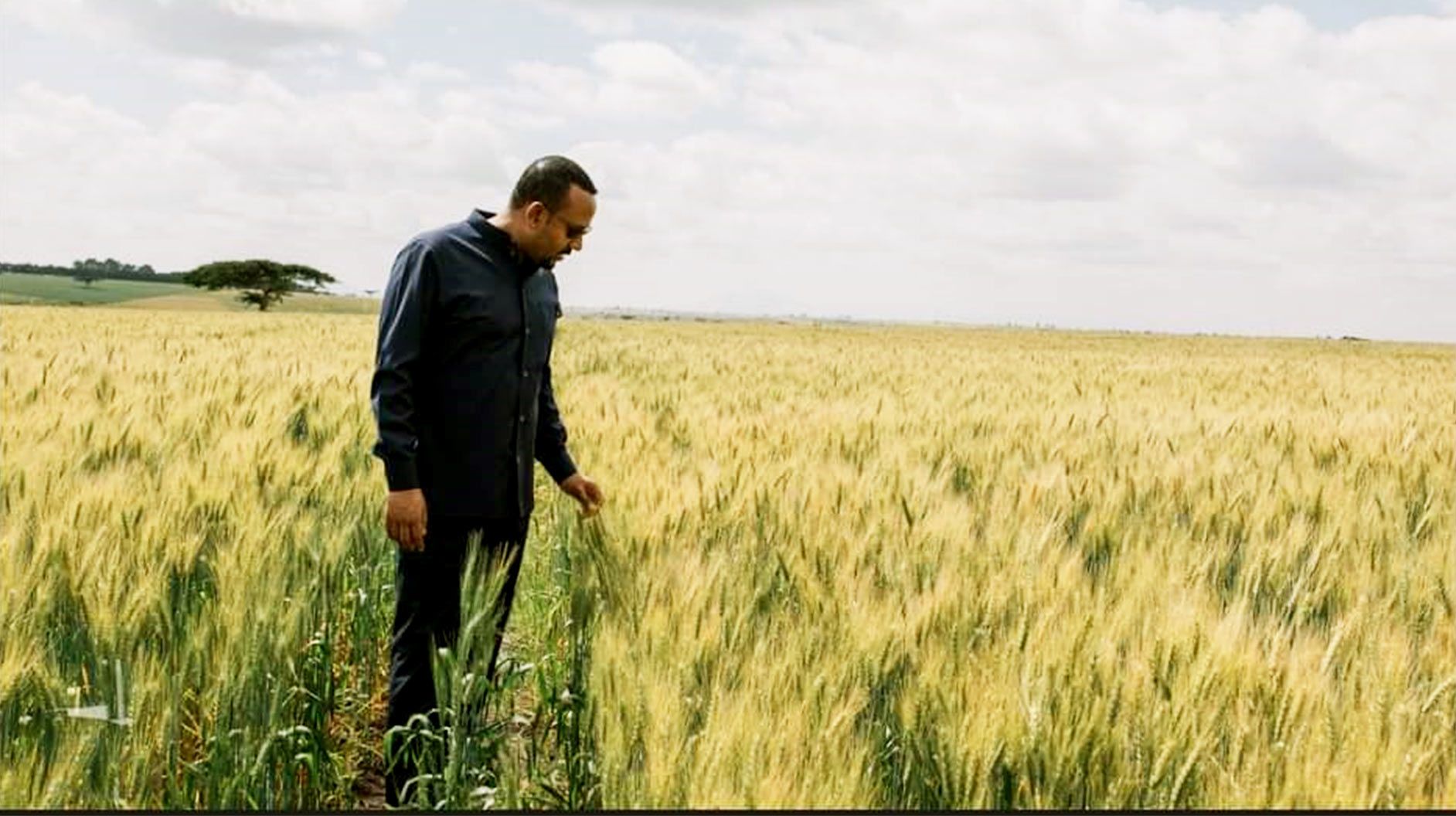
Ethiopia has emerged as a significant player in the global agricultural sector, particularly in wheat production. In recent years, this East African nation has garnered attention for its ambitious efforts to not only boost wheat production but to attain self-sufficiency in food production.
Ethiopia as Africa’s Leading Wheat Producer
According to an Israeli diplomat, Ethiopia’s rise as a leading wheat producer in Africa is commendable. This development is crucial as the country continues to pursue its agricultural transformation. The collaboration with nations such as Israel signifies a focused approach towards advancing agricultural practices in Ethiopia. Ukr Agro Consult
The Vision for Agricultural Transformation
Ethiopia’s Minister of Agriculture, Adisu Legesse, has stated that the government is intensifying its efforts to achieve agricultural transformation. This initiative includes a focus on achieving food security, thereby addressing hunger and malnutrition in a country that has faced recurring food crises. The vision is to cultivate sustainable agricultural practices that bolster the nation’s food production capacity. ENA English
Addressing Farmer Challenges
Despite these ambitions, questions persist regarding Ethiopia’s claims to wheat self-sufficiency, especially with ongoing struggles faced by farmers in the Oromia region. Reports indicate that various challenges, including adverse weather conditions and resource limitations, are impacting agricultural yields. Understanding these challenges is crucial for developing effective strategies to support local farmers and sustain production levels. For more insights, see this article from New Lines Magazine
Expanding Cultivation Efforts
In alignment with its agricultural goals, Ethiopia plans to cultivate approximately 4.6 million hectares to bolster food production. This ambitious plan aims to further enhance the nation’s capacity to meet its food demands, providing a solid foundation for growth in the agricultural sector. Collaborations with international partners are vital to ensure the successful implementation of this plan. Dawan Africa
Conclusion
Ethiopia’s journey towards agricultural self-sufficiency—particularly in wheat production—represents a significant step on the path to national food security. With concerted efforts to transform agricultural practices and address challenges faced by farmers, Ethiopia has the potential to solidify its status as a leading wheat producer not just in Africa, but also on the global stage. As the world watches these developments, the future looks promising for Ethiopian agriculture.
