




Ethiopia’s Nuclear Energy Initiative: A Vision for Sustainable Power
Introduction
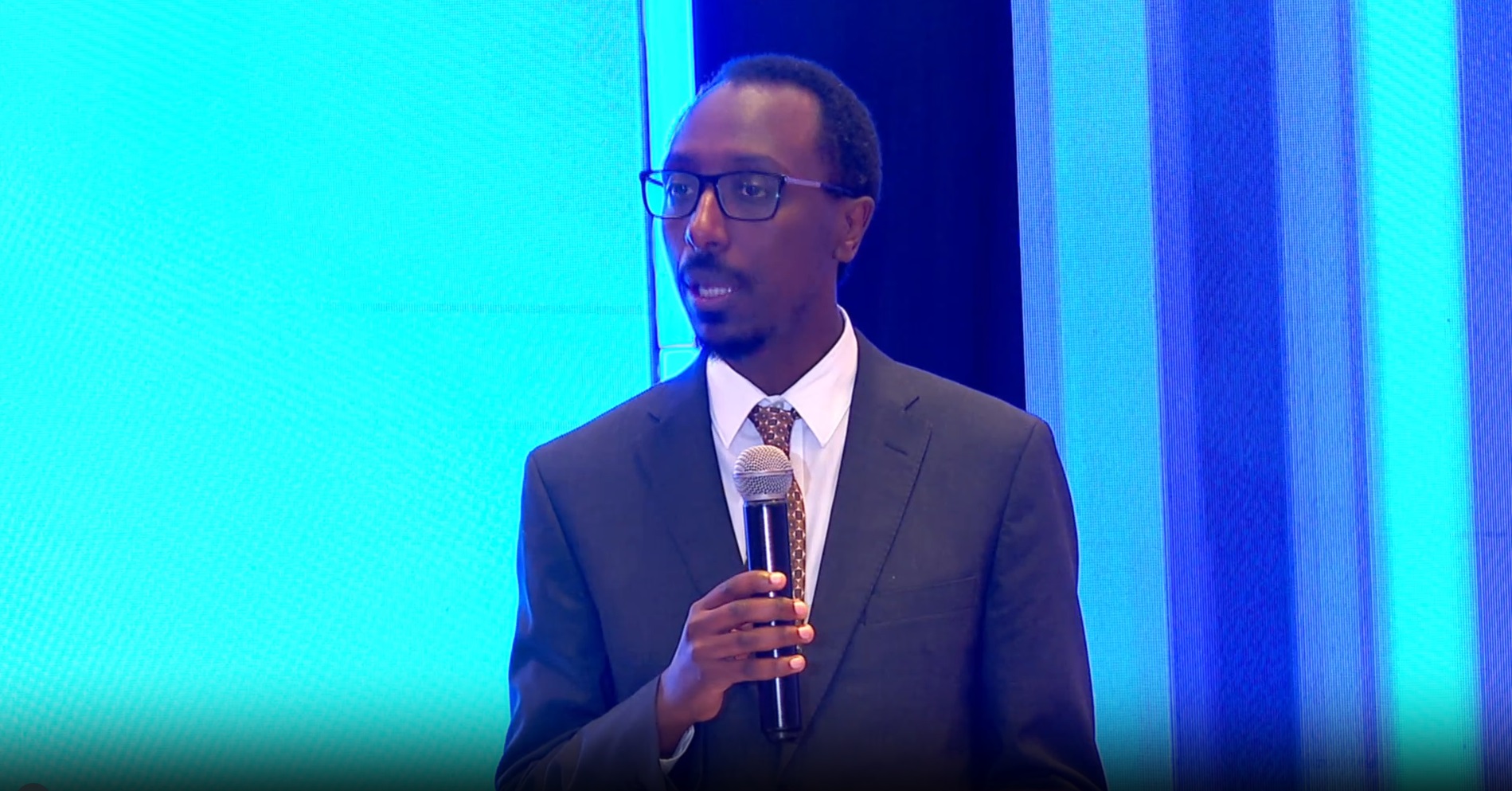
On December 8, 2025, Ethiopia embarked on a transformative journey by launching its Nuclear Power Programme in Addis Ababa. This initiative, aimed at addressing both current and future energy demands, is supported by key stakeholders, including the International Atomic Energy Agency (IAEA) and Ethiopian government officials.
A New Era in Energy Security
Ethiopian Foreign Minister Gedion Timothewos emphasized that the nuclear energy project serves as a fundamental pillar for the country’s energy strategy. This initiative falls under Prime Minister Abiy Ahmed’s recent announcement of a comprehensive $30 billion development plan designed to enhance energy security and catalyze industrial transformation.
Key Stakeholders in Attendance
The launch event attracted high-ranking figures, including:
- Sandokan Debebe: Ethiopian Nuclear Energy Commissioner
- Mikhail Chudakov: Deputy Director General of the IAEA
Together, these leaders underscored the collaborative efforts vital for implementing this ambitious programme.
The Vision: Clean and Reliable Electricity for All
During the event, Gedion articulated a compelling vision: “Our goal is to ensure that every household has access to clean, reliable, and affordable electricity.” This vision aligns with Ethiopia’s broader strategy to modernize its energy infrastructure amidst emerging technologies like artificial intelligence and quantum computing, which significantly increase electricity demand.
Addressing Future Energy Needs
Gedion highlighted that electricity requirements for data centers are anticipated to double by 2030. As environmental concerns about fossil fuels mount, nuclear energy is emerging as an essential, long-term solution for Ethiopia’s energy landscape.
Key Insights:
- Long-term Energy Solution: Nuclear technology is viewed as dependable for meeting growing energy needs.
- Economic Growth: Strategic investments in nuclear energy are crucial for sustaining the nation’s economic expansion.
Establishing the Ethiopian Nuclear Energy Commission
To turn this vision into reality, the Ethiopian government has established the Ethiopian Nuclear Energy Commission (ENPC), which serves as the institutional backbone for implementing the nuclear initiative.
Objectives of the ENPC
The commission aims to create a comprehensive framework for peaceful nuclear technology use across various sectors, such as:
- Healthcare
- Agriculture
- Industrial Growth
Ethiopia is committed to maintaining high safety standards and transparency in its nuclear ventures, working closely with the IAEA for advisory support.
Pioneering Nuclear Development in Africa
The aspirations set forth by Gedion are not merely national; they aim to position Ethiopia as a leader in African energy development. He expressed hope that the ENPC would evolve into a beacon of excellence, inspiring other nations to embrace sustainable energy technologies.
Historical Context and Ambition
Gedion drew parallels between Ethiopia’s current nuclear ambitions and its past milestones, stating, “Just as the launch of Ethiopian Airlines once seemed ambitious, so too is our nuclear ambition today.” This reflects a broader commitment to realizing a nuclear-powered Ethiopia through determination and resolve.
Conclusion
The establishment of Ethiopia’s Nuclear Power Programme marks a significant milestone in the country’s quest for sustainable energy. By investing in nuclear technology, Ethiopia aims to secure a future powered by clean energy, fostering not only economic growth but also enhancing the quality of life for its citizens.
For more details on nuclear energy initiatives globally, visit IAEA.
This strategic move not only promises robust energy solutions but also positions Ethiopia as a forward-thinking nation ready to tackle the challenges of the future.
