




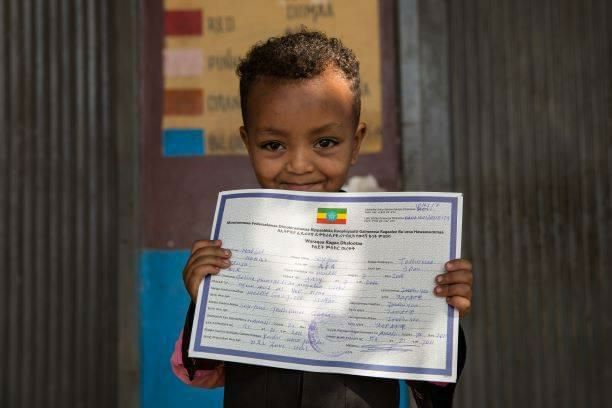
Digital Dreams, Invisible Children: Ethiopia’s Struggle to Make Every Birth Count
Understanding the Birth Registration Crisis in Ethiopia
Ethiopia faces a significant challenge in ensuring every child’s birth is registered, which is crucial for national development and individual rights. With the growing emphasis on data-driven decision-making, the lack of birth certificates leaves many children invisible, complicating access to fundamental rights such as education and healthcare. This article highlights the pressing issues related to birth registration in Ethiopia and the ongoing efforts to remedy this situation.
The Importance of Birth Registration
Birth registration serves as the foundation for a child’s identity, providing documentation that is essential for obtaining a national ID and accessing essential services. According to UNICEF, registering a child’s birth is a critical step in ensuring their right to a name and nationality, which are vital for the empowerment and protection of children.
Ethiopia’s overall birth registration rate remains extremely low, with estimates suggesting that a large percentage of births go unregistered, leaving countless Ethiopian children without formal documentation. This invisibility not only affects individual children’s opportunities but also presents significant barriers to effective governance and resource allocation.
Efforts to Increase Birth Registration
Recognizing the importance of resolving the birth registration crisis, the Ethiopian government, in collaboration with various international organizations, has launched initiatives aimed at increasing birth registration rates. These initiatives include:
-
Awareness Campaigns: Educating parents about the importance of registering their child’s birth through community outreach programs.
-
Digital Solutions: Implementing mobile technology to facilitate easier and more accessible registration processes. Initiatives leveraging digital platforms aim to streamline the registration process, making it easier for parents in rural and urban areas alike to register their births.
-
Policy Reforms: Improving legal frameworks to make birth registration more accessible, particularly for marginalized communities. Advocating for policy changes is crucial to address systemic barriers that have historically impeded registration efforts.
Challenges to Birth Registration in Ethiopia
Despite these efforts, several challenges persist in increasing birth registration rates in Ethiopia:
-
Lack of Awareness: Many parents are unaware of the importance of birth registration or the processes involved, leading to lower rates of documentation.
-
Geographical Barriers: In rural areas, the lack of infrastructure and access to registration centers significantly hampers efforts to document births.
-
Cultural Beliefs: In some communities, traditional beliefs may discourage formal registration, prioritizing local customs over government mandates.
The Role of Technology in Overcoming Barriers
Embracing technology plays a pivotal role in overcoming these barriers. Mobile registration units equipped with online platforms can reach remote areas, helping to bridge the gap in registration services. By utilizing SMS and other digital tools, parents can be informed about the nearby registration services, making the process more streamlined and accessible.
The Future of Birth Registration in Ethiopia
The call for comprehensive strategies and community engagement cannot be overstated. To ensure that every child is counted, it will require a collective effort from the government, NGOs, and communities working together. By prioritizing birth registration initiatives and promoting the utilization of digital technologies, Ethiopia has the potential to eradicate the barriers currently hindering the path toward universal birth registration.
Conclusion
Addressing the birth registration crisis in Ethiopia is vital for national development and the realization of children’s rights. By recognizing the significance of every birth, the nation can begin to build a future where all children are counted, documented, and able to access their essential rights. Collaborative efforts, coupled with technological advancements, may finally pave the way for a brighter future for Ethiopia’s children.
For further information on the importance of birth registration, you can explore resources from UNICEF or review current initiatives by the Ethiopian government.
This article offers an overview of Ethiopia’s challenges regarding birth registration, emphasizing the importance of digital solutions and community involvement. For more in-depth analysis, feel free to explore related articles and studies on this essential topic.
