




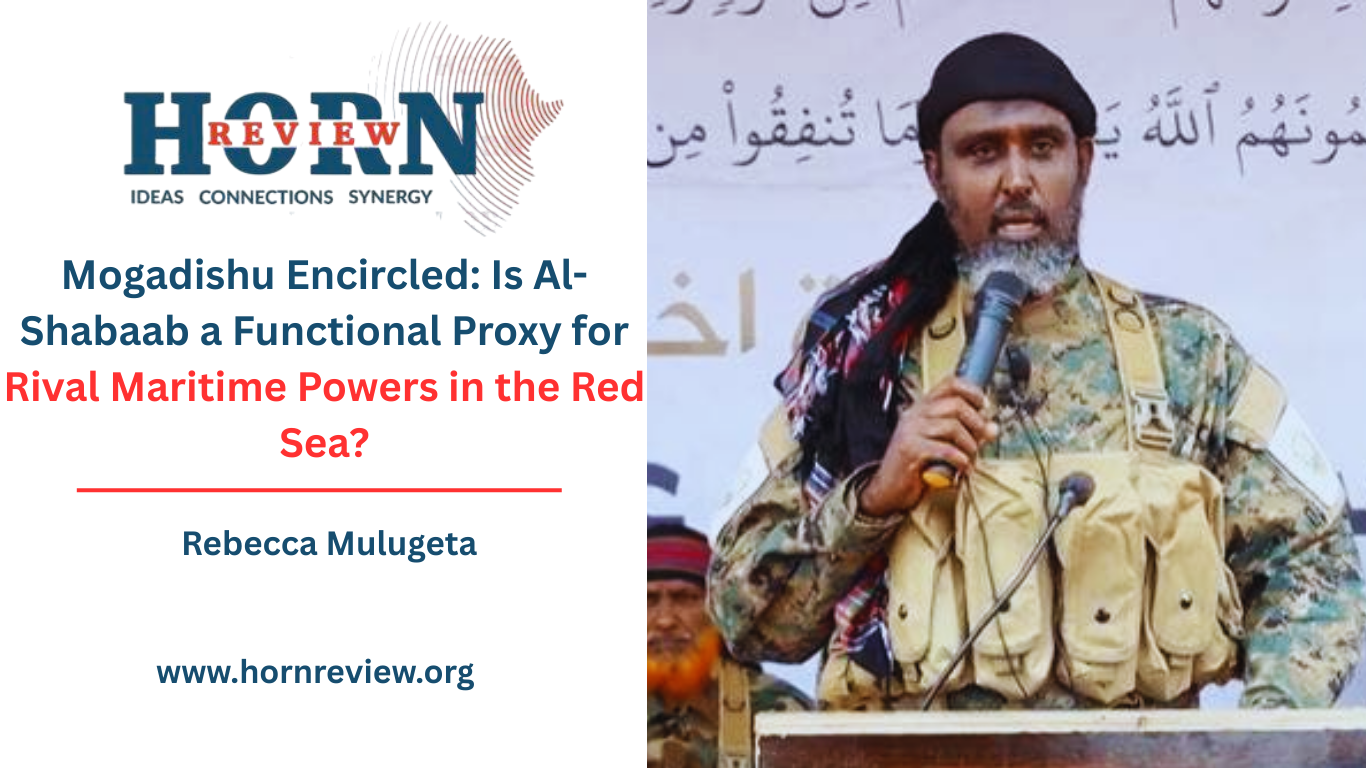
Al-Shabaab Resurgence: A Threat to Somalia’s Stability
Introduction
Somalia is at a critical juncture, with the conflict involving Al-Shabaab threatening its national integrity. Positioned along the strategic corridors of the Red Sea and Indian Ocean, the insurgency has evolved dramatically, disrupting the geopolitical balance. Despite ongoing U.S. military operations and the increased presence of Egyptian forces and Turkish investments, Al-Shabaab has demonstrated remarkable resilience and territorial reclamation.
Al-Shabaab’s Resilience and Operational Expansion
Al-Shabaab has systematically regained control over vast territories in South-Central Somalia, shifting from a localized insurgency to a significant disruptor in the broader geopolitical landscape. Recent assessments indicate that the group is exploiting the political turmoil and external influences, transforming Somalia into a battleground reminiscent of Syria.
Analysts from sources like the Africa Center for Strategic Studies have raised alarms regarding the existential threat that Mogadishu may face in the coming months due to conventional warfare, strategic encirclement, and internal strife exacerbated by Al-Shabaab’s tactics.
The Role of International Partners and Internal Fragmentation
Mogadishu’s struggles are compounded by the potential withdrawal of international partners, creating a power vacuum for Al-Shabaab to exploit. The insurgency’s operational capabilities have been enhanced by internal clan divisions, which are increasingly fractured under persistent Al-Shabaab pressure. The situation has reached a point where the Somali Salvation Forum’s June 2025 manifesto called for urgent action from President Hassan Sheikh Mohamud to address systemic crises, which include electoral disputes and clan-based violence.
Political Dynamics and Internal Conflicts
In a brief moment of unity, opposition leaders and the government brokered a deal that promised reform and renewed efforts against Al-Shabaab. However, this fragile coalition soon unravelled amid accusations of betrayal, with political maneuvering overshadowing the immediate threat posed by the insurgency.
The “Shabelle Offensive,” launched in April 2025, illustrated Al-Shabaab’s resurgence, threatening the capital and key strategic locations like Adan Yabaal and Sabiid, showcasing their ability to reclaim recently lost ground.
Geopolitical Implications and Regional Power Struggles
Geopolitical dynamics further complicate Somalia’s situation. Al-Shabaab’s control over fertile regions in South-Central Somalia has effectively strangled essential supply chains, rendering foreign military interventions inadequate. Despite U.S. airstrikes and Egyptian deployment under the AUSSOM initiative, Al-Shabaab continues to benefit from domestic revenue streams, funding its operations through ports and agriculture.
Egypt’s military involvement aims to stabilize the region amid increasing hydro-political tensions with Ethiopia, adding layers to the already complex situation. Meanwhile, the geopolitical landscape was altered by Israel’s recognition of Somaliland, provoking a fresh jihadist response from Al-Shabaab and signaling a widening rift among local and regional powers.
Al-Shabaab as a Proxy in Geopolitical Rivalries
Al-Shabaab’s ability to frame developments such as foreign recognition of Somaliland as a religious crusade aids in recruitment efforts and solidifies its position amid rising geopolitical tensions. Ankara’s interests in Somalia are increasingly seen as an extension of its Syrian strategy, blending military presence with economic control.
The question arises: does Turkey’s economic monopoly facilitate Al-Shabaab’s resilience? Reports suggest that Turkish-controlled hubs in Somalia have become avenues for insurgent funding, raising critical concerns regarding the interplay between foreign investments and local insurgency.
Conclusions and Future Considerations
The convergence of various factors suggests that Al-Shabaab’s resurgence is not merely a product of internal strife but rather a byproduct of broader geopolitical dynamics, including the competition for control over the Red Sea. The Somali state’s current federal structure, marked by clan divisions and opaque governance, appears ill-equipped to withstand this onslaught.
As Al-Shabaab thrives amid the competing interests of regional powers, Somalia stands at a crossroads. The country must forge a cohesive national strategy to reclaim its sovereignty before it succumbs to external influences and insurgency. The implications are profound, as the Horn of Africa races toward a definitive rupture necessitating a fundamental reimagining of Somalia’s political and military landscape.
For further details on Al-Shabaab’s implications in regional contexts, visit Horn Review.
