




Ethiopia Launches National Framework for Indigenous Knowledge Integration
Addis Ababa, December 22, 2025 – In a groundbreaking initiative, the Ethiopian Ministry of Education has unveiled a new national framework aimed at consolidating the country’s rich indigenous knowledge. This central repository will serve as a crucial resource for developmental strategies and policy formulation, highlighting the significance of local wisdom in shaping the nation’s future.
Importance of Indigenous Knowledge in National Development
Recognizing the profound implications of leveraging local wisdom for national growth and identity, Ethiopian authorities are prioritizing the preservation of cultural heritage. The new framework seeks to ensure that these invaluable assets contribute to contemporary development initiatives, effectively harnessing the potential of untapped generational knowledge. The initiative aims to transform how indigenous insights inform education, academic research, and policy direction.
Bridging the Documentation Gap
Despite Ethiopia’s extensive reservoir of indigenous knowledge, much of it has remained underutilized due to inadequate national-level documentation. In response, the Ministry of Education is actively conducting specialized training programs for higher education institutions. This training focuses on effective methodologies to identify and document traditional wisdom specific to various Ethiopian regions.
Training Initiatives for Higher Education Institutions
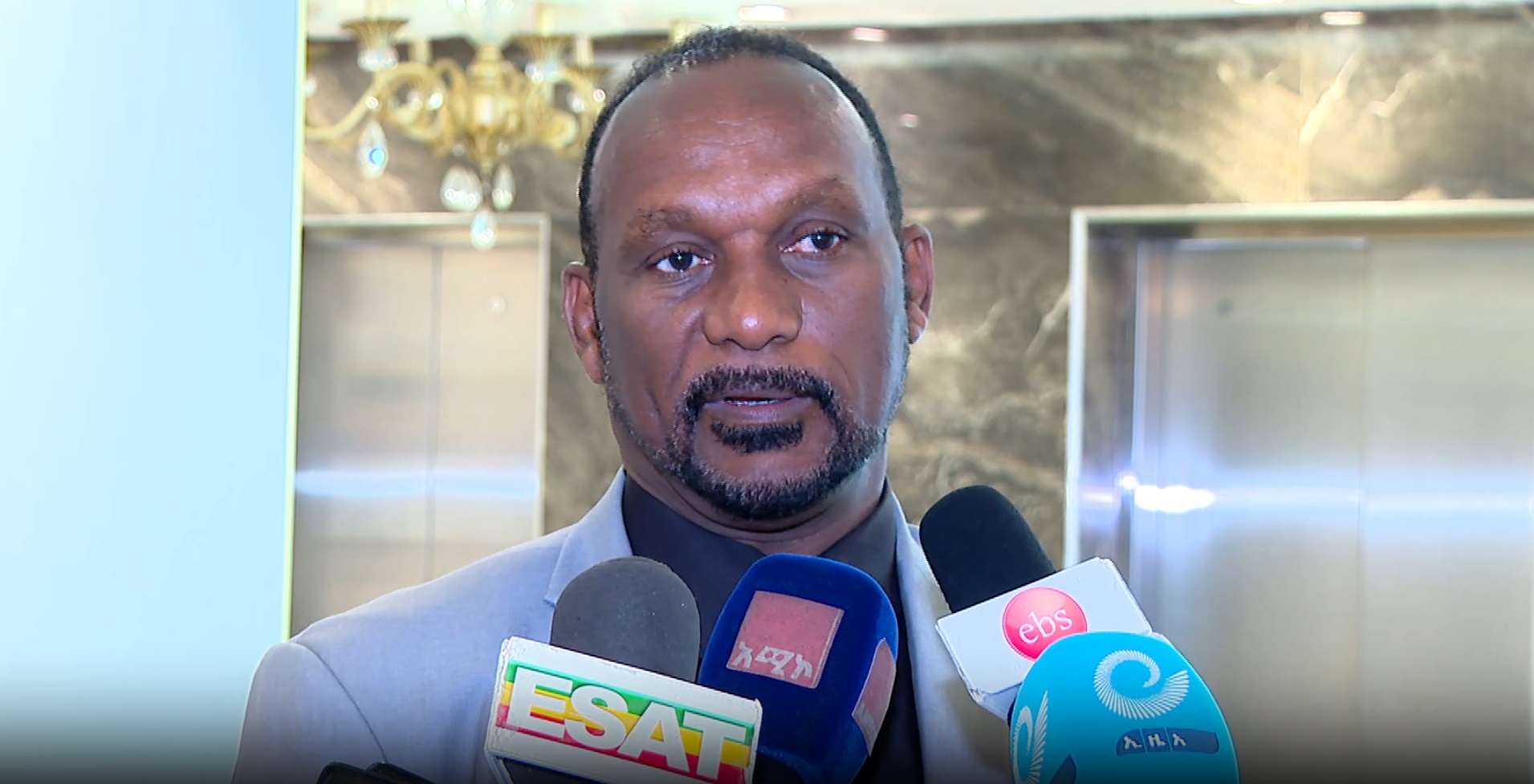
The training sessions include comprehensive workshops led by experts in the field. During the inaugural event, Kora Tushne, the State Minister of Education, emphasized that integrating scattered indigenous insights into the national education system and academic research is pivotal. This holistic approach is expected to strengthen the country’s capabilities in addressing local challenges through home-grown solutions.
Incorporating Indigenous Knowledge into the Curriculum
Selam Alemu, head of the Community Engagement and Indigenous Knowledge Desk at the Ministry, elaborated on the initiative’s broader objectives. Beyond mere documentation, Alemu confirmed that efforts are underway to weave these indigenous findings directly into the national curriculum. This educational integration will equip future generations with the understanding and tools needed to tackle societal issues effectively.
Collaborative Efforts for Enhanced Policy Development
Highlighting the untapped potential across various sectors, Mirgisa Kaba, a researcher at Addis Ababa University’s School of Public Health, underscored the necessity of collaborative efforts. By ensuring that indigenous knowledge informs policy decisions, Ethiopia can align its development goals with the very fabric of its culture. Collaborative research and documentation processes will facilitate the integration of these insights into strategic frameworks.
Progress on the Ground: Coordinators Share Insights
University coordinators are already witnessing the positive impacts of this initiative in real-time. Amare Ayalew, from the Ankober Plant and Indigenous Knowledge Development Center at Debre Berhan University, and Yasmin Mohammed at Haramaya University’s Indigenous Knowledge Center shared updates on their ongoing projects. Their efforts involve gathering and digitizing local wisdom, with a shared belief that organizing these initiatives on a national scale will yield impactful and sustainable results.
Conclusion: Fostering a Knowledge-Based Future
The Ethiopian Ministry of Education’s initiative to establish a national framework for indigenous knowledge is a monumental step toward preserving cultural heritage while simultaneously addressing modern challenges. By linking traditional wisdom with contemporary educational and policy-making processes, Ethiopia is poised to harness the full potential of its rich cultural landscape for future generations.
For more information about Ethiopia’s initiatives in education and indigenous knowledge, visit Ethiopian Ministry of Education.
By adopting this robust framework, Ethiopia showcases its commitment to a knowledge-based approach in national development, ensuring that indigenous wisdom plays a central role in charting the future of the country.
