




Ethiopia’s Green Legacy Initiative: Reforesting Millions of Hectares
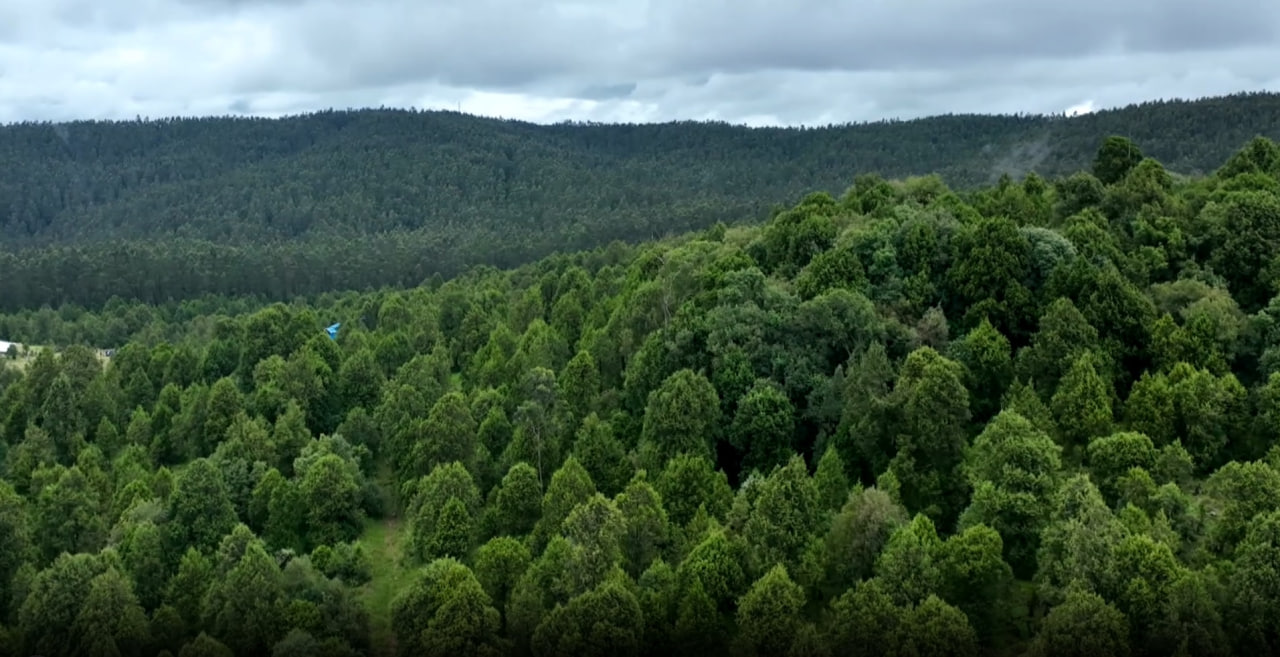
Ethiopia is making significant strides in environmental restoration with the successful rehabilitation of over 15 million hectares of degraded and deforested land. This initiative, led by the Ethiopian Forestry Institute, is a part of the country’s ambitious Green Legacy Initiative.
Overview of Ethiopia’s Reforestation Efforts
Since 2018, Ethiopia has planted more than 48 billion seedlings, encompassing both forest and agroforestry species. According to Aberu Tena, Executive Director for Green Legacy and Artificial Forest Development, these efforts are divided into two phases. The first phase, extending from 2018 to 2022, saw the planting of 25 billion seedlings, while the second phase aims to continue this momentum until 2025.
Success Rates and Future Goals
Current statistics reveal that approximately 84% of these seedlings are thriving, significantly contributing to the restoration of Ethiopia’s degraded landscapes. The nation has set a target to increase its forest cover to 30% by 2030, with plans to reforest an additional 22 million hectares over the next five years.
Key Regions of Restoration
Major restoration initiatives have been concentrated in various regions, including:
- Atsbi Wemberta and Desse’a Forest in Tigray
- Kodo Kanko Kebele in Humbo Woreda
- Ezja Woreda in Central Ethiopia
- Lake Haramaya in Oromia Region
Lake Haramaya, once severely depleted due to drought, has been revitalized, allowing local communities to resume vital irrigation and fishing activities.
Sustainable Practices and Economic Benefits
As part of its environmental strategy, Ethiopia is also emphasizing the importance of planting edible trees to bolster food security. Fruit species such as avocado, mango, and papaya are encouraged.
Ethiopia’s Green Legacy Initiative is expected to offset 297 million tons of carbon dioxide emissions by 2030 through extensive forest restoration efforts. In addition to tree planting, the country is enhancing watershed management practices, including:
- Terracing
- Trenching
- Soil conservation technologies
These initiatives are crucial for reducing soil erosion and replenishing groundwater resources.
Enhanced Livelihoods from Reforestation
The benefits of these restoration efforts extend beyond environmental improvement; they are economically advantageous for local communities. The planting of fruit trees under the initiative has already begun yielding produce, providing farmers with additional income through both local sales and export opportunities.
Climate Resilience and Carbon Trading
Dr. Adefris Worku, Chair of the Green Legacy Technical Committee, highlighted that 54 million hectares of deforested land remain in Ethiopia. Without sustained restoration efforts, over 11 million hectares are at risk of desertification.
Ethiopia is increasingly tapping into the carbon market, with notable agreements yielding significant financial support. For instance, the country has activated a $40 million carbon agreement with the World Bank and a $75 million deal with Norway, focusing on regions such as Oromia and Central Ethiopia.
International Recognition and Sustainable Financing
Ethiopia’s environmental efforts have garnered international attention, including $100 million in budget support from the Climate Investment Fund. The Deforested Lands Fund Proclamation, introduced last year, underscores the government’s commitment to long-term land restoration financing and expansion of green jobs.
Conclusion
Ethiopia’s comprehensive approach to reforestation through the Green Legacy Initiative not only seeks to restore the environment but also to enhance community livelihoods and combat climate change. The success of this initiative may serve as a model for similar efforts worldwide, demonstrating the profound impact of large-scale ecological restoration.
For more information on Ethiopia’s environmental restoration efforts, visit the Ethiopian Forestry Institute and details on Green Legacy Initiative.
