




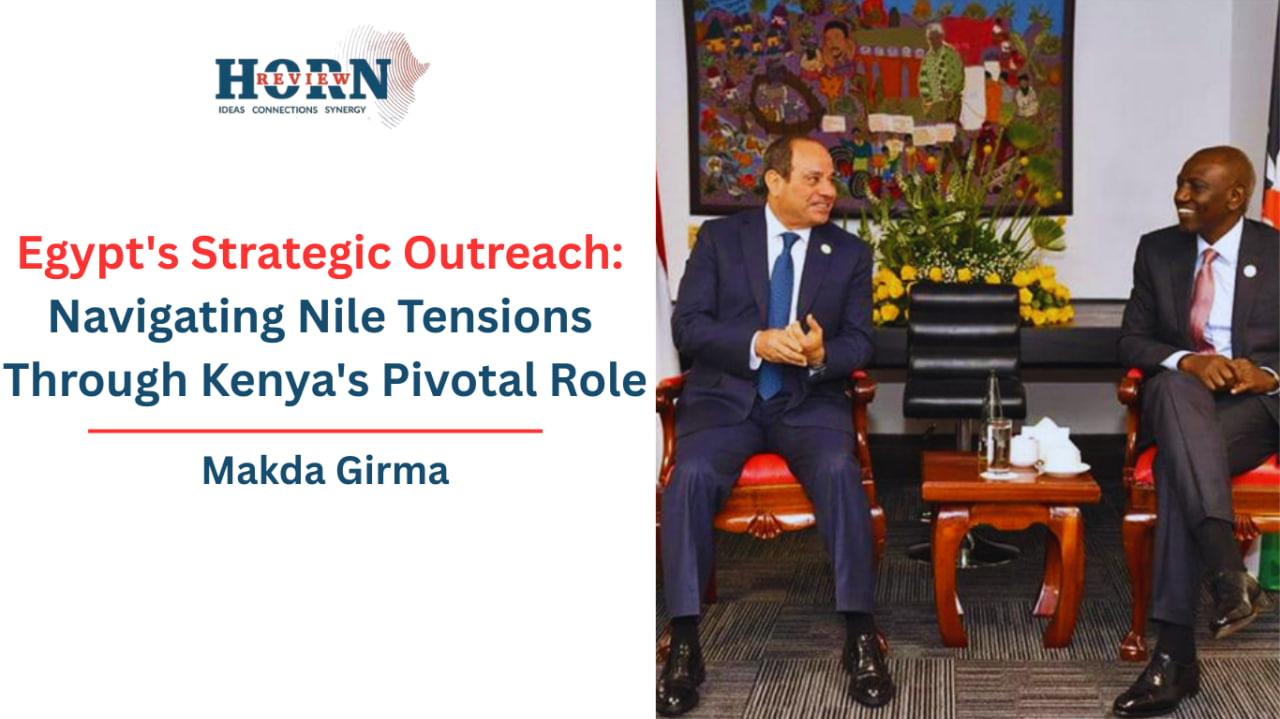
The Grand Ethiopian Renaissance Dam: A New Era for the Nile Basin
The geopolitical dynamics of the Nile Basin are experiencing a seismic shift as Ethiopia’s Grand Ethiopian Renaissance Dam (GERD) becomes operational. Scheduled for completion in September 2025, this monumental project aims to produce over 5,000 megawatts of hydroelectric power, heralding a new chapter in Ethiopia’s quest for energy autonomy and economic advancement.
The Rise of the Cooperative Framework Agreement
As the GERD ramps up, historical disputes over Nile water distribution have intensified. The Cooperative Framework Agreement (CFA) took effect on October 13, 2024, following ratifications from several upstream nations, effectively challenging colonial-era accords that have historically favored Egypt and Sudan. This agreement marks a significant turning point in the management of the Nile, establishing the Nile River Basin Commission as a legitimate governing body.
Implications for Egypt
For Egypt, the CFA poses a considerable challenge, as the country relies heavily on the Nile for over 98% of its freshwater supply, particularly via the Aswan High Dam. With water access per capita dwindling to a mere 490 cubic meters annually, far below the UN’s water scarcity threshold of 1,000 cubic meters, the stakes are incredibly high. Egypt’s annual water needs are projected to reach 88.55 billion cubic meters, further amplifying concerns about Ethiopian control over the Nile’s resources.
Egypt’s Strategic Moves in East Africa
In response to these challenges, Egypt has adopted a proactive diplomatic strategy. A notable highlight is its partnership with Kenya established in February 2026, aimed at countering the growing influence of the CFA. This agreement involves a $100 million Southern Nile Basin Fund dedicated to infrastructure projects in upstream areas. By supporting Kenya’s Koru Dam, Egypt is knitting tighter ties with East African nations, while ensuring that any development adheres to international standards regarding downstream water flows.
The Economic Incentives at Play
Egypt’s offerings include soft loans and technical expertise, presenting a dual advantage of enhancing water security while addressing infrastructural shortcomings in Kenya. This collaboration comes at a crucial time, as Kenya faces financial hurdles in its local dam projects. Egypt’s strategy seems designed to sow discord within the CFA framework, aiming to stifle further ratifications from other upstream nations.
A Tectonic Shift in the Nile Basin
As negotiations unfold, the situation remains precarious. Kenya’s ratification of the CFA can significantly alter the balance of power among Nile Basin countries. The CFA, established in 2010, offers upstream nations like Kenya the ability to dispute the colonial-era treaties that disproportionately favor downstream countries like Egypt and Sudan. A Kenyan endorsement would pave the way for equitable resource use and development initiatives, much to the chagrin of Egyptian policymakers.
Egypt’s Broader Geopolitical Strategy
Egypt’s maneuvers are not limited to economic agreements. They are complemented by defense pacts aimed at securing regional stability, particularly in light of tensions with Ethiopia. By strengthening relations with neighboring countries like Kenya, Egypt is endowing its geopolitical strategy with both economic and security dimensions.
Conclusion: The Crossroads of Cooperation and Conflict
Kenya plays a pivotal role in this evolving narrative. Its strategic decisions will ultimately determine whether the Nile Basin embraces a cooperative framework under the CFA or continues to be dominated by historical claims. With both upstream and downstream nations vying for a greater share of the Nile’s resources, the future remains uncertain.
The twists and turns in the Nile negotiations underscore that the conversation is not merely about water management but also about the broader geopolitical landscape of East Africa. As the stakes rise, countries will have to balance immediate economic benefits against the promise of long-term equitable resource management.
Navigating the complexities of the Nile will be an ongoing challenge, as power dynamics shift and new alliances form, underscoring that the future of the Nile is not just about water but also about influence and power in a changing world.
For more insights into the geopolitics of the Nile Basin, visit the Nile Basin Initiative or follow updates on regional cooperation efforts.
