




The Future of Education Technology in Ethiopia: Insights from the Mastercard Foundation EdTech Fellowship
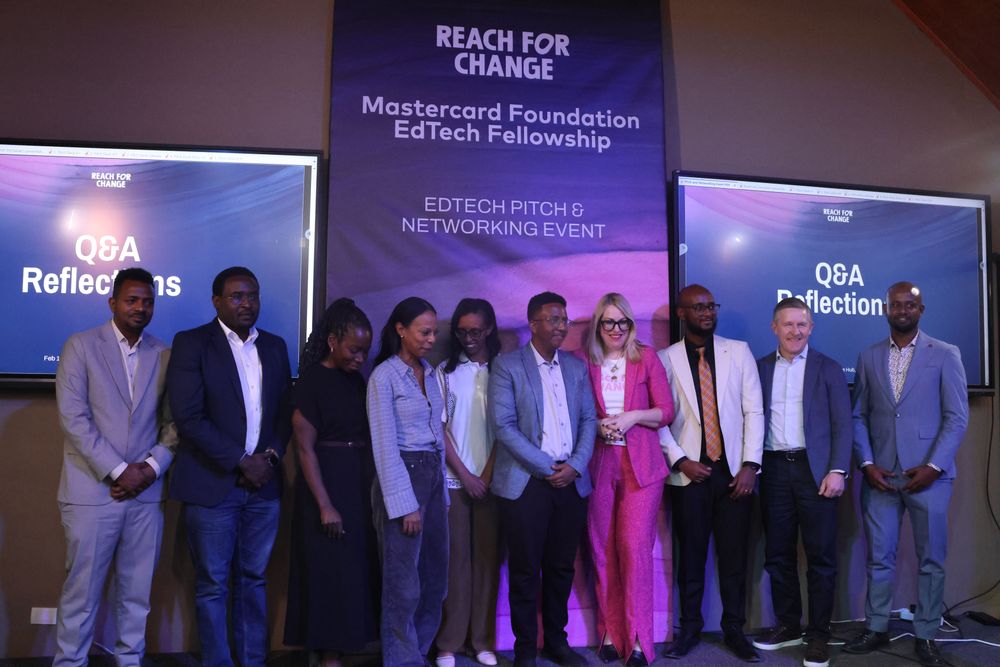
In recent discussions at the Creative Hub Addis, Ethiopia’s educational landscape took center stage as founders, investors, and ecosystem builders convened for the Mastercard Foundation EdTech Fellowship pitch and exhibition. This week’s gathering showcased the potential for growth and innovation within Ethiopia’s EdTech sector.
Navigating the EdTech Landscape
Co-hosted by Reach for Change with support from the Mastercard Foundation, the event aimed to assess the current state of the EdTech ecosystem in Ethiopia. The atmosphere encouraged constructive dialogue, focusing on critical elements such as scalability, sustainability, and accessibility. Participants recognized that, amidst soaring demand for education, the existing institutions struggle to keep pace.
Leadership’s Vision
CEO Sofia Breitholtz of Reach for Change emphasized the organization’s ongoing commitment to supporting social entrepreneurs in Ethiopia. Notably, they have assisted nearly 2,000 entrepreneurs across the country. Breitholtz highlighted the necessity for engaging various sectors to cultivate growth beyond pilot projects, reiterating that collaboration is as crucial as funding.
Startups Paving the Way
From a pool of 24 innovative startups, five were selected to present their business models to a panel of industry experts covering investment, policy, and educational innovation.
A+ Online Tutors
Kicking off the pitch session was A+ Online Tutors, advocating for affordable and engaging supplementary education. Founder Tesfamichael T. Birhan outlined a strategy to reach 60,000 students, including 3,000 from internally displaced communities, with an investment goal of $161,238 aimed at enhancing digital visibility and partnership expansion.
Arif Education
Next, Arif Education, developed by AIT Technology, presented its integrated learning solution featuring localized digital STEM content. Product Manager Eden Fikiru highlighted a funding requirement of about $500,000 to enhance access for underserved communities in over 150 schools.
ECP Consultancy
The third pitch came from ECP Consultancy PLC, with an AI-driven platform aimed at high school and university students. CEO Abel Kebede discussed the need for $150,000 to $300,000 for geographic expansion into regions outside Addis Ababa, responding to increasing demand for personalized English learning.
Ethio IQ
Ethio IQ showcased a tutoring model centered on data personalization, providing individualized study plans through an extensive library of educational resources. Founder Abel Aregawi announced plans to expand into Jimma, backed by a targeted raise of $120,000.
Askuala Link
Finally, Askuala Link aimed to bridge communication among schools, parents, and students. CEO Fanuel Almaw underlined their commitment to include teachers in the digital transformation journey, resonating with the theme of educational inclusivity.
Common Themes and Challenges
Throughout the pitches, many founders underscored the importance of accessibility, particularly for internally displaced learners. Their emphasis on localization and technology’s role as a complement to traditional education systems showcased a collective vision for enhancing learning experiences.
Sofia Breitholtz remarked on the shared commitment to reaching marginalized communities, indicating a broader trend in thinking beyond urban markets.
Networking and Future Prospects
The event transitioned into a networking session, featuring an exhibition of 15 additional startups, where intense discussions on unit economics, classroom integration, and regulatory landscapes took place. The complexity of Ethiopia’s EdTech ecosystem, shaped by regulatory reform and rising expectations, highlighted both opportunities and familiar constraints such as limited access to funding and varying levels of digital literacy.
Concluding Thoughts
While no single startup emerged as a clear winner, the event underscored the potential for a dynamic shift in Ethiopia’s EdTech landscape. The solutions presented involved a deep awareness of the challenges faced in the education sector, reflecting a holistic approach to problem-solving.
In the subsequent days of the fellowship program, discussions broadened to include Ethiopia’s humanitarian context, emphasizing livelihoods and women’s issues, as well as waste management and circular economy strategies.
For ongoing updates and insights into Ethiopia’s evolving educational technology landscape, stay connected with Mastercard Foundation and Reach for Change.
