




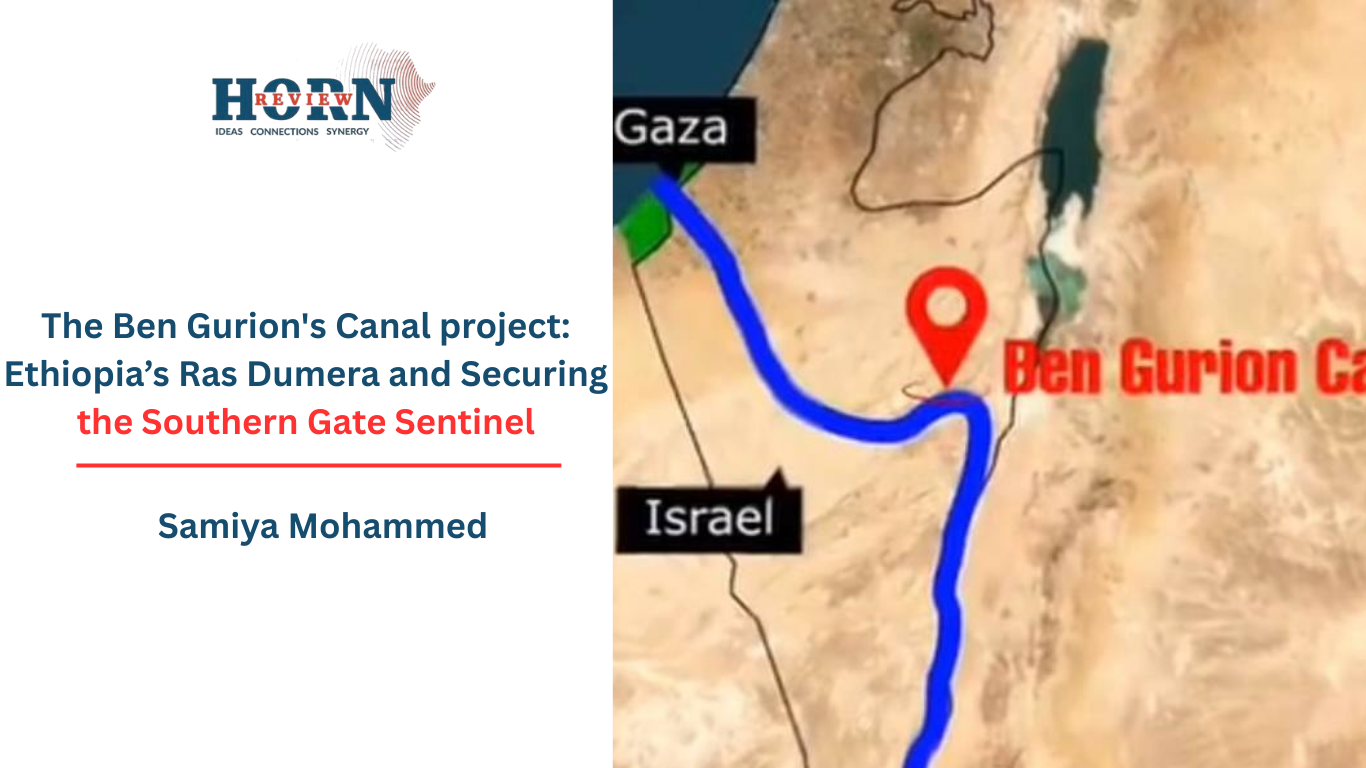
The Resurgence of Israel’s Ben Gurion Canal: A Strategic Maritime Vision
In December 2025, Israeli Prime Minister Benjamin Netanyahu made headlines by recognizing the Republic of Somaliland as an independent state. This move is viewed not just as a diplomatic maneuver, but as a critical step toward reviving the ambitious Ben Gurion Canal project, a historic infrastructure endeavor. The canal, designed to bolster Israel’s maritime autonomy, could reshape global trade routes significantly.
Understanding the Ben Gurion Canal Concept
The Ben Gurion Canal, named after Israel’s founding father David Ben Gurion, dates back to post-1956 geopolitical tensions, following the nationalization of the Suez Canal by Egypt. Israel faced severe restrictions on its shipping routes, especially highlighted during the 1967 Six-Day War when crucial routes like the Suez Canal and the Straits of Tiran were closed, hampering trade and oil imports.
The proposed canal aims to create a new waterway connecting the Red Sea to the Mediterranean, spanning approximately 260–300 kilometers through the Negev Desert and Arabah Valley. This ambitious infrastructure project is envisioned not only as a bypass for the Suez Canal but as a transformative avenue for global maritime commerce.
Overcoming Engineering Challenges
Despite its audacity, the Ben Gurion Canal faced numerous engineering challenges, including the need to move billions of cubic meters of earth and possibly construct locks for elevation changes. While the project seemed relegated to the realm of fantasy for decades, incidents like the Ever Given blockage in 2021 and ongoing threats to shipping from Iranian-backed Houthi rebels have brought renewed interest and urgency to the canal’s potential.
Geopolitical Implications of Recognition
Israel’s recognition of Somaliland is a significant factor in reinvigorating plans for the Ben Gurion Canal. This geopolitical shift enables Israel to counterbalance Iranian influences and establish a partnership across from Houthi-controlled Yemen. Somaliland’s relatively stable governance and its approximately 300-mile coastline along the Gulf of Aden position it as a strategic ally.
Enhancing Security and Stability
The Ben Gurion Canal’s success hinges on securing the Gulf of Aqaba against threats and blockades, particularly at the Bab el-Mandeb Strait. By formalizing its relationship with Somaliland, Israel transforms the region’s dynamics, creating opportunities for joint security measures and strengthened logistical channels that could safeguard shipping destined for the canal’s entrance.
A Broader Regional Perspective
The recognition of Somaliland highlights a shift in diplomatic norms, prioritizing functional sovereignty and strategic alliances over rigid territorial integrity. This move not only benefits Israel but also aligns with Ethiopia’s ambitions for improved access to maritime routes. Ethiopia has expressed a desire to establish a naval base close to crucial maritime points, enhancing its capability to project power and secure trade routes in the region.
Ethiopia’s Emergence as a Key Player
Should the Ben Gurion Canal flourish, Ethiopia stands poised to exploit this development. A base near the Bab el-Mandeb Strait would allow Ethiopia to protect key commercial sea lanes and assert itself as a regional security provider. If Israel’s canal becomes a major trade conduit, Ethiopia’s role in maintaining stability in the southern Red Sea and Gulf of Aden becomes increasingly vital.
Ethiopia could transition from a landlocked nation to a guardian of maritime corridors, boosting its regional influence and securing profits from toll revenue-sharing agreements related to the canal.
The Vision of an Integrated Trade Route
Supporters of the Ben Gurion Canal posit that a successful project would drastically reduce reliance on the Suez Canal, creating a secure trade route from Asia to the Mediterranean under stable governance. This emerging reality emphasizes the necessity for active strategy, as passive observation could lead to marginalization in an evolving regional landscape.
As nations recalibrate their roles along the Red Sea, the recognition of Somaliland signifies more than a diplomatic event; it represents a potential shift in maritime geography. The question remains: which nations will benefit from this new reality, and who will be left behind?
For more insights into the importance of the Ben Gurion Canal and its implications for global trade and geopolitics, you may refer to reports on Eurasia Review and Atlantic Council. These resources delve deeper into the strategic considerations that shape regional dynamics in the Middle East.
