




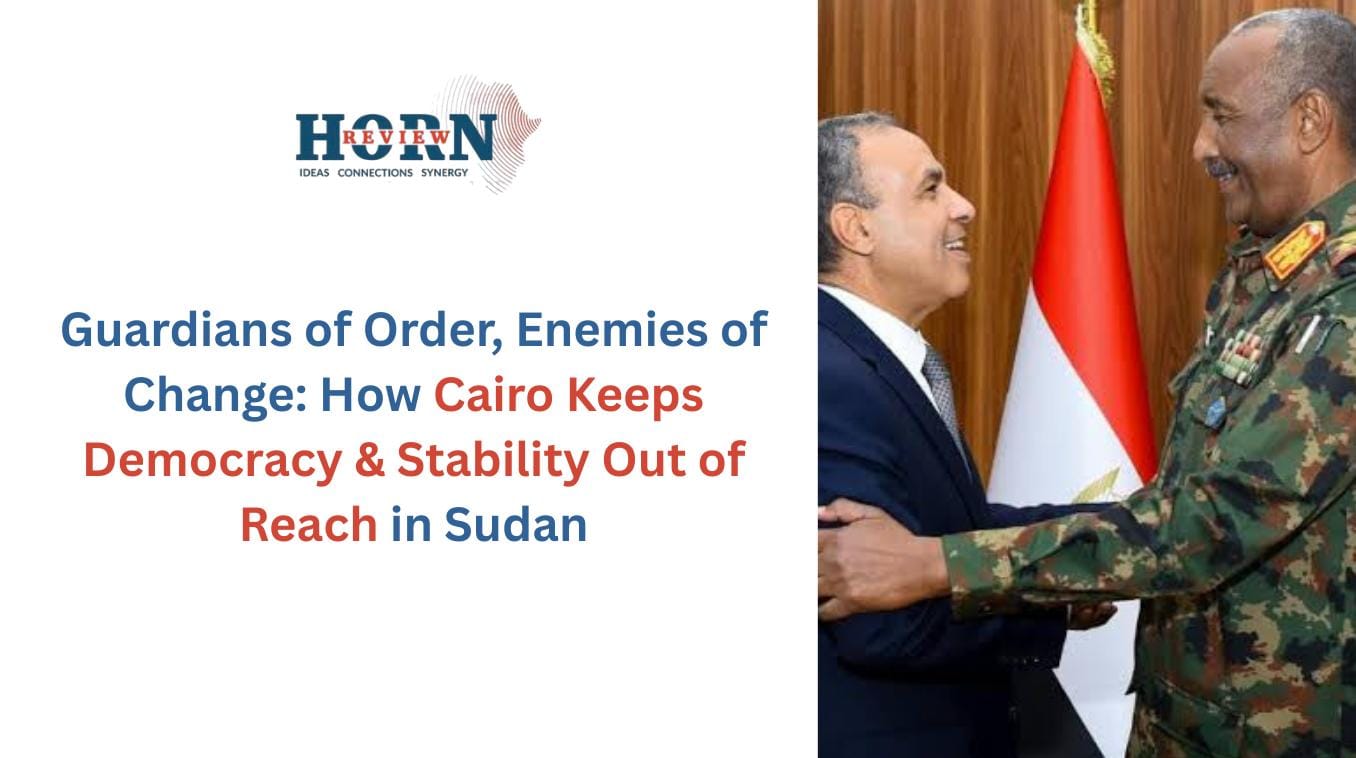
Egypt and Sudan: Historical Dynamics and the Path to Civilian Governance
Egypt’s historical influence on Sudan’s political landscape has been profound and far-reaching. The relationship between the two nations extends beyond mere geographical proximity; it has often played a central role in shaping Sudan’s governance structures. Understanding this complex interplay is crucial for unraveling the current political crisis in Sudan.
The Historical Context of Egyptian Influence in Sudan
From the era of the Anglo-Egyptian Condominium to the political landscapes post-independence, Egypt has always viewed Sudan as an extension of its own national security interests. This perception has led to a consistent effort to maintain centralized authority within Sudan, often favoring military-backed governance over civilian-led democratic aspirations. Historically, this has involved supporting Sudanese elites aligned with Egyptian interests, influencing constitutional debates, and opposing revolutionary movements that threaten to destabilize the status quo.
Reaffirming Military Preferences
In contemporary times, Egypt continues to advocate for a Sudan governed by military institutions rather than one led by civilian forces that could introduce unpredictable policy directions. This stance reinforces a longstanding preference for a stable, centralized government, reflecting fears regarding potential shifts toward popular democracy.
Current Political Crisis: Egypt’s Position
In the current geopolitical climate, Egypt has not openly opposed civilian governance; instead, it emphasizes stability, territorial unity, and the sovereignty of existing military-dominated institutions. This strategy marginalizes emergent civilian authorities and entrench the Sudanese Armed Forces as the primary guardians of national stability. Such expressions affirm the Army’s critical role while sidelining authentic civilian involvement in governance.
Conditional Support for Civilian Governance
While Egypt’s rhetoric would seemingly endorse civilian rule, it is conditional upon the establishment of security. The Egyptian government often perpetuates the notion that only once a stable environment is created can a genuine transition to civilian rule be considered. For many Sudanese, this perspective feels less like a roadmap and more like an ongoing delay of their aspirations for democracy.
The Role of the United States in Sudan’s Crisis
In contrast, U.S. diplomatic efforts have highlighted the need for a political rather than a military resolution to Sudan’s crisis. The U.S. has consistently called for negotiations that emphasize humanitarian access, the establishment of ceasefires, and pathways toward civilian governance. Washington’s approach underscores a growing frustration with the Sudanese military leadership, which appears reluctant to relinquish power voluntarily.
Regional Geopolitical Dynamics
The situation in Sudan is further complicated by a complex regional geopolitical landscape. Egypt and Saudi Arabia prioritize the protection of existing state institutions to avoid fragmentation. Conversely, reports indicate that the UAE has shown support for the Rapid Support Forces (RSF), introducing another layer of external influence in Sudan’s internal affairs. This multifaceted dynamic complicates any straightforward movement toward civilian governance, making the crisis a battleground for global interests.
The Humanitarian Catastrophe
As the political stalemate continues, a massive humanitarian crisis unfolds, with millions of Sudanese facing displacement and famine. The ongoing violence exacerbates the situation, illustrating the dire human rights implications of political inertia. Despite the seeming endorsement of peace frameworks by regional powers, actual conditions on the ground often reflect competing strategic interests rather than a shared commitment to genuine political solutions.
Conclusion: A Stalemate in Governance
Ultimately, the relationship between Egypt and Sudan historically favors order, hierarchy, and military influence over democratic uncertainty. The U.S. presents a contrasting vision that prioritizes civilian governance as vital for stability, yet the divergent interests of regional players create a complicated tableau.
To achieve a lasting solution, regional actors must realign their strategies to prioritize immediate civilian empowerment rather than continued militarized control. Without this shift, Sudan’s political future remains precariously suspended, leaving its civilian populace to bear the weight of a conflict they did not provoke.
For more in-depth analysis of Sudan’s current political issues and historical context, visit International Crisis Group or Human Rights Watch.
