




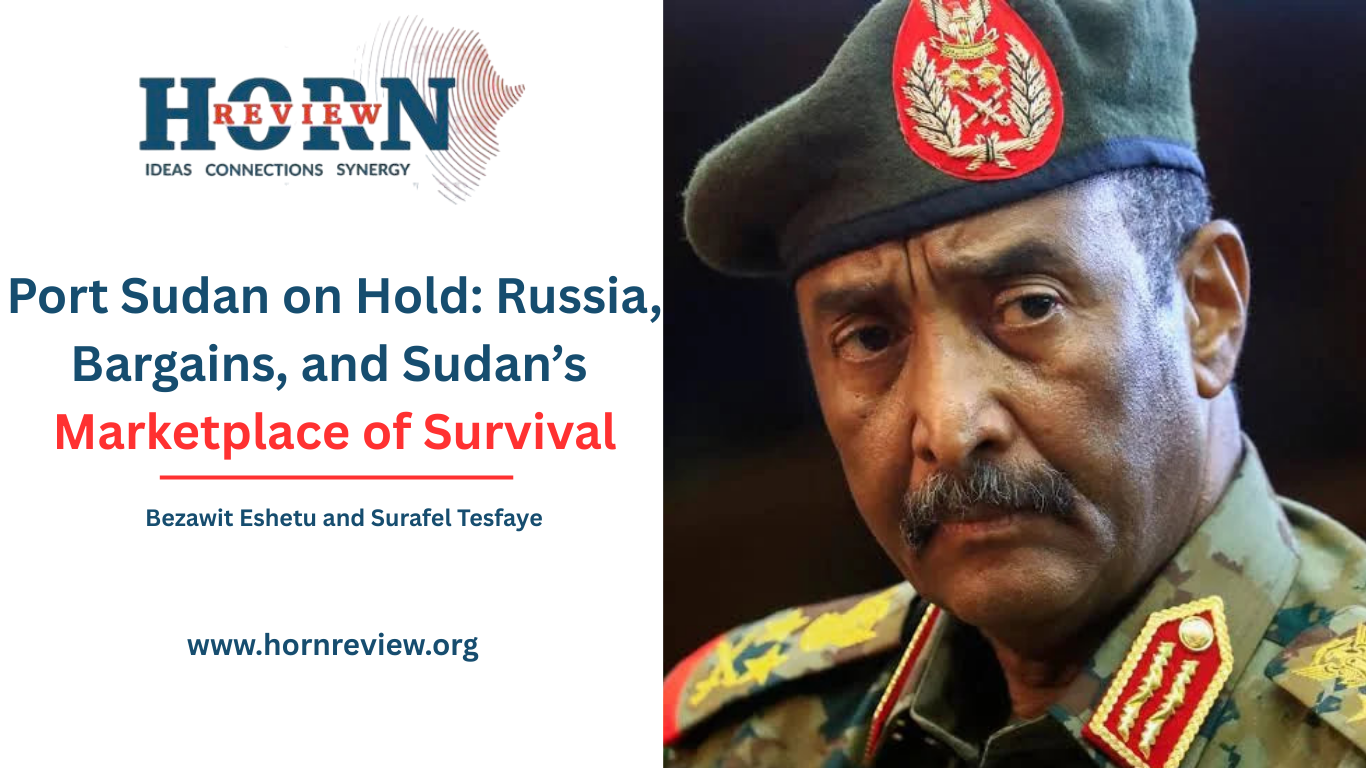
Sudan’s Strategic Pause on Russian Naval Presence: A Tactical Hedging Approach
In early December 2025, Sudan made a notable decision to halt plans for establishing a Russian naval base at Port Sudan. This move is not a firm shift in foreign policy but rather a strategic act of hedging, allowing Sudan to retain its negotiating power while avoiding irreversible commitments.
Sudan’s Strategic Landscape
The announcement was characterized as a suspension of procedures rather than an outright cancellation, helping Sudan maintain immediate material benefits from potential ties with Moscow. In the complex landscape of wartime Sudan, where control over resources, territory, and networks of patronage is essential for the ruling coalition’s survival, this decision offers significant leverage. By holding on to the possibility of a Russian presence without solidifying it, Khartoum conveys that it can negotiate with various external players for rewards while avoiding long-term dependency on a single nation.
Background of the Basing Proposal
Emerging reports revealed that a draft agreement would have permitted Russia to maintain access to a Red Sea facility under a 25-year framework tied to military and commercial arrangements. This draft included provisions for several hundred personnel and surface combatants, explicitly connected to expedited military supplies beneficial for the Sudanese Armed Forces (SAF). These provisions are crucial battlefield inputs that can dramatically influence the ongoing conflict between the SAF and the Rapid Support Forces (RSF). By pausing the deal, Sudan retains its bargaining advantages without losing strategic control.
The Domestic Context of the Decision
To fully understand this pause, one must consider Sudan’s economic crisis exacerbated by the ongoing conflict that erupted in April 2023. The war has inflicted significant loss, leading to extensive damage to infrastructure and massive economic disruption. Reports indicate dire contractions in economic output, hyperinflation, and a dwindling state capacity, all of which narrow the policy options available to Sudan’s leaders. In this context, foreign policy intertwines with domestic survival, making offers of weapons, fuel, and credit not only pivotal for external alliances but crucial for regime survival.
The Role of External Politics
External dynamics have also played a role in Khartoum’s strategic calculations. The United States, in its December 2025 National Security Strategy, underscored Africa as a focal point for strategic competition. This shift indicates a readiness to employ diplomatic and economic resources against rival influences in the region. In this competitive environment, Sudan can leverage its strategic position—inviting attention and potential incentives from Western and regional partners without committing to a single external patron, thus enhancing its bargaining power.
Internal Power Dynamics and Economic Factors
The complexities of Sudan’s internal politics further complicate external relations. The RSF continues to control lucrative resource points while maintaining autonomy through international recruitment networks. In contrast, the SAF relies heavily on external suppliers for its operations. This web of interests means that ceasefires often become tools of political negotiation rather than genuine pauses in combat.
Humanitarian Considerations
The humanitarian crisis in Sudan complicates these negotiations. With widespread food insecurity and significant limitations on humanitarian access, the international community faces tough choices. While offering aid can stabilize civilian life, it may also empower predatory entities. A formalized agreement with Russia that exacerbates the military regime’s dependence on a single patron could alienate essential donors and humanitarian agencies, undermining efforts to prevent mass suffering.
Historical Context
Historically, Sudanese rulers have navigated external relations in a way that treats partnerships as contingent upon immediate regime needs. For example, Jaafar Nimeiri oscillated between Soviet and Western allegiances in the 1970s, while Omar al Bashir maintained ties with various powers for resources and legitimacy. Abdel Fattah al Burhan’s strategy appears to continue this legacy, using the Russian proposal to entice support from Moscow while safeguarding connections to other patrons.
Implications of the Strategy
The decision to pause the naval base negotiations has significant implications:
- Short-Term Benefits: Khartoum can extract immediate material gains while avoiding a binding agreement that would diminish its autonomy.
- Long-Term Strategic Environment: Competing external actors may align resources to meet both humanitarian needs and military objectives, complicating strategic calculations for any would-be patron.
Conclusion: The Complex Dynamics at Play
The recent pause on a potential Russian military foothold should not be interpreted as a definitive strategic realignment. Instead, it highlights the intricacies of Sudan’s domestic and international maneuvering. The interplay between battlefield dynamics, humanitarian crises, and global influences will dictate the country’s future partnerships.
This decision serves as a tactical moment that preserves future options and underscores the fluidity of allegiance in a landscape marked by weak institutions and fierce external competition. For observers, it emphasizes that in the context of Sudan, options remain negotiable, and survival takes precedence over steadfast alliances.
