




The Impact of the 2011 Dual Shock on Sudan: From Secession to Civil War
In 2011, Sudan faced a profound crisis that forever altered its political landscape. This year marked a pivotal moment, characterized by two significant events: the secession of South Sudan and the advent of the Arab Spring. Together, these events triggered a series of economic and political upheavals, leading to a fiscal crisis and escalating social unrest.
The Secession of South Sudan: A Fiscal Catastrophe
In July 2011, South Sudan gained independence, removing about 75% of Sudan’s oil revenues overnight. This loss plunged the ruling National Congress Party (NCP) into a severe fiscal crisis, resulting in hyperinflation and the elimination of long-standing subsidies for food and fuel. The financial strain significantly destabilized the already fragile economy, exacerbating public discontent.
The Arab Spring: A Wave of Revolutionary Energy
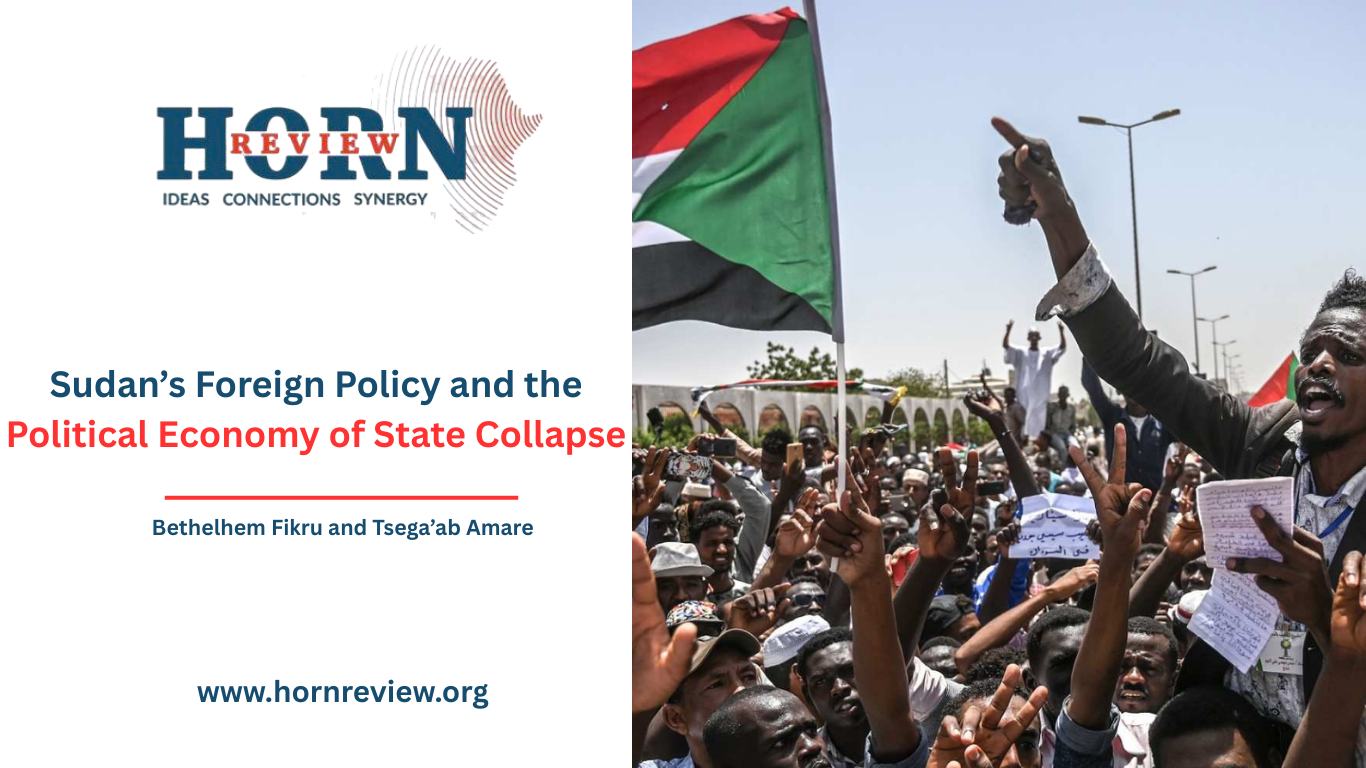
Simultaneously, the Arab Spring began to inspire discontent across the Arab world. The resistance movements in Tunisia and Egypt provided a template for popular uprising, sparking hope among Sudanese youth. As the Bashir government introduced austerity measures in response to economic troubles, the cry for change resonated throughout urban areas. The slogan, “The people want the fall of the regime,” echoed across the nation, transforming localized grievances into widespread revolutionary demands.
Attempts to Suppress Protest
While protests erupted from 2011 to 2013, Bashir’s security forces managed to suppress this initial wave of dissent. Despite the regime’s efforts, the revolutionary fervor was merely postponed, setting the stage for future uprisings.
Foreign Policy Shift: The Need for Survival Financing
In light of dwindling revenues and increasing instability, President Bashir’s foreign policy underwent a dramatic overhaul. Traditional alliances with Iran and the Muslim Brotherhood were deemed too costly. Instead, Bashir pivoted towards Gulf states like Saudi Arabia and the UAE, who were keen to reduce Iranian influence in the region. This shift represented a desperate attempt to secure financial support and diplomatic cover.
The Role of the Rapid Support Forces (RSF)
One of the most significant transformations during this period was Sudan’s commitment of troops—largely sourced from the Rapid Support Forces (RSF)—to the Saudi-led coalition in the Yemeni Civil War beginning in 2015. This move epitomized Bashir’s transactional foreign policy; in exchange for financial assistance and resources, Sudan offered its military capabilities.
A Divided Security Structure: The Rise of the RSF
Bashir’s strategies effectively depoliticized Sudan’s foreign policy, providing essential funding while keeping military forces loyal. However, this also led to the emergence of a dual-security structure between the Sudan Armed Forces (SAF) and the RSF. This structure, rooted in external relationships rather than internal cohesion, set the stage for future conflict.
The Consequences of Resource Independence
The RSF’s newfound wealth, gained through external military contracts, allowed the group to bypass traditional state budgets, creating a robust parallel security apparatus. This dependence on foreign funding created a dangerous power dynamic that would later contribute to instability.
The 2018-2019 Revolution: A Delayed Response
The seeds of unrest began to bloom by 2018 as a long-simmering revolution unfolded. Organized by the Forces for Freedom and Change (FFC), the peaceful protests finally embodied the latent revolutionary spirit ignited years earlier by the Arab Spring. Ultimately, Bashir was ousted in April 2019, through a military coup, paving the way for a fragile transitional government led by civilian economist Abdalla Hamdok.
Challenges to the Transitional Government
Hamdok’s administration sought to repair the damage left in the wake of Bashir’s governance by integrating Sudan into the international financial system and normalizing diplomatic ties with Western nations. However, the power-sharing structure between civilian leaders and military factions like the SAF and RSF hampered these efforts, leading to further instability.
The Legacy of Disconnection: The Seeds of Civil War
The coexistence of the SAF and RSF as quasi-sovereign entities created a chaotic environment that limited civilian authority. This fragmentation was a direct consequence of Bashir’s policies, which prioritized regime survival over state integrity. The complications stemming from this weak governance ultimately culminated in the civil war that erupted in 2023.
The Ongoing Conflict and Lessons Learned
As the conflict rages on, resulting in mass displacements and drawing in global proxies, Sudan serves as a stark reminder of the fragility of political structures in post-autocratic settings. True stability in Sudan hinges on dismantling the architectures of autocracy rather than merely deferring their collapse.
A Path Forward: Hope for Renewal
Reflecting on Sudan’s tumultuous journey reveals a vital truth: civilian-led reconciliation and regional de-escalation are crucial to forging a unified future from the fragmented past. As global attention remains fixed on this pivotal region, the imperative for meaningful political reform has never been clearer.
Conclusion
Sudan’s experience since 2011 illustrates the complexities of navigating post-revolutionary landscapes. Balancing power, reforming governance, and fostering legitimacy remain essential challenges for a nation that aspires for peace and democracy following years of turmoil.
Learn more about Sudan’s complex history and the implications of its evolving political landscape.
