




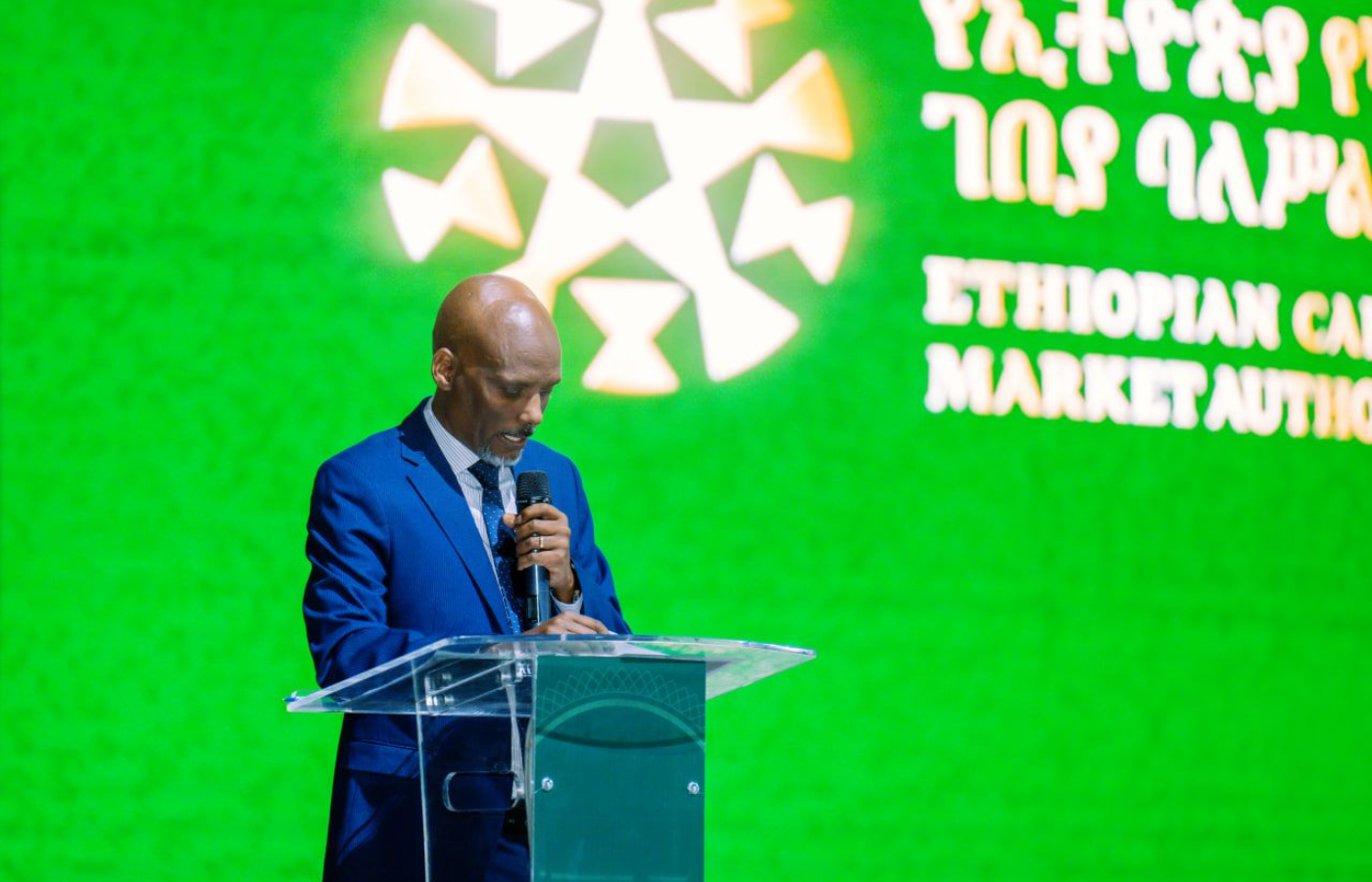
Leadership Change at Development Bank of Ethiopia: Esayas Kassa Takes the Helm
In a significant leadership shift, Esayas Kassa (PhD) has been appointed as the new president of the Development Bank of Ethiopia (DBE), following the removal of Emebet Melese (PhD). This change is documented in recent materials obtained by Birrmetrics, marking a pivotal moment in the bank’s governance.
Goals of the Leadership Transition
This appointment is part of a broader reform initiative led by Ethiopian Investment Holdings (EIH), which aims to enhance governance, bolster institutional performance, and ensure that the DBE aligns with national development priorities. The EIH has indicated that these reforms will also extend to other state-owned enterprises within its portfolio, reflecting a comprehensive approach to improving the efficiency and accountability of government-owned businesses.
Esayas Kassa’s Background and Experience
Esayas Kassa comes with a wealth of knowledge in regulatory and policy frameworks from his previous role at the Ethiopian Capital Market Authority (ECMA). His expertise centers on expanding Ethiopia’s capital markets and fostering inclusive finance. Holding a doctorate in public policy and administration, Esayas has played a crucial role in developing frameworks for sustainable finance and promoting market transparency.
EIH emphasizes its mission: “As the sovereign wealth fund of the Federal Democratic Republic of Ethiopia, our aim is to strengthen governance, enhance performance, and unlock the strategic potential of state-owned enterprises in support of sustainable economic growth.”
Additional Changes in DBE’s Leadership
Alongside Esayas Kassa’s appointment, the transition also includes the conclusion of services by Teklewold Atnafu, chair of the DBE board and former governor of the National Bank of Ethiopia, as well as Emebet Melese. This overhaul signifies a movement toward renewing leadership in critical national institutions.
Broader Context of Reform within State-Owned Enterprises
The leadership changes at DBE are part of a broader pattern observed across Ethiopia’s state-owned enterprises. For instance, in November, EIH orchestrated a significant management and board restructuring at the Ethiopian Construction Works Corporation. The overhaul replaced the entire board and chief executive officer following a thorough review of governance and financial performance. Officials described this initiative as part of a larger effort to improve accountability and unlock value in government-owned enterprises.
Conclusion
The appointment of Esayas Kassa as president of the Development Bank of Ethiopia signifies more than just a change in leadership; it represents a strategic move toward enhancing governance and promoting sustainable economic growth. As EIH continues to implement reforms across the public sector, the focus remains on fostering an efficient and accountable framework for Ethiopia’s development.
Stay updated on the latest developments in Ethiopia’s financial and governance sectors by following relevant news and insights from trusted sources.
