




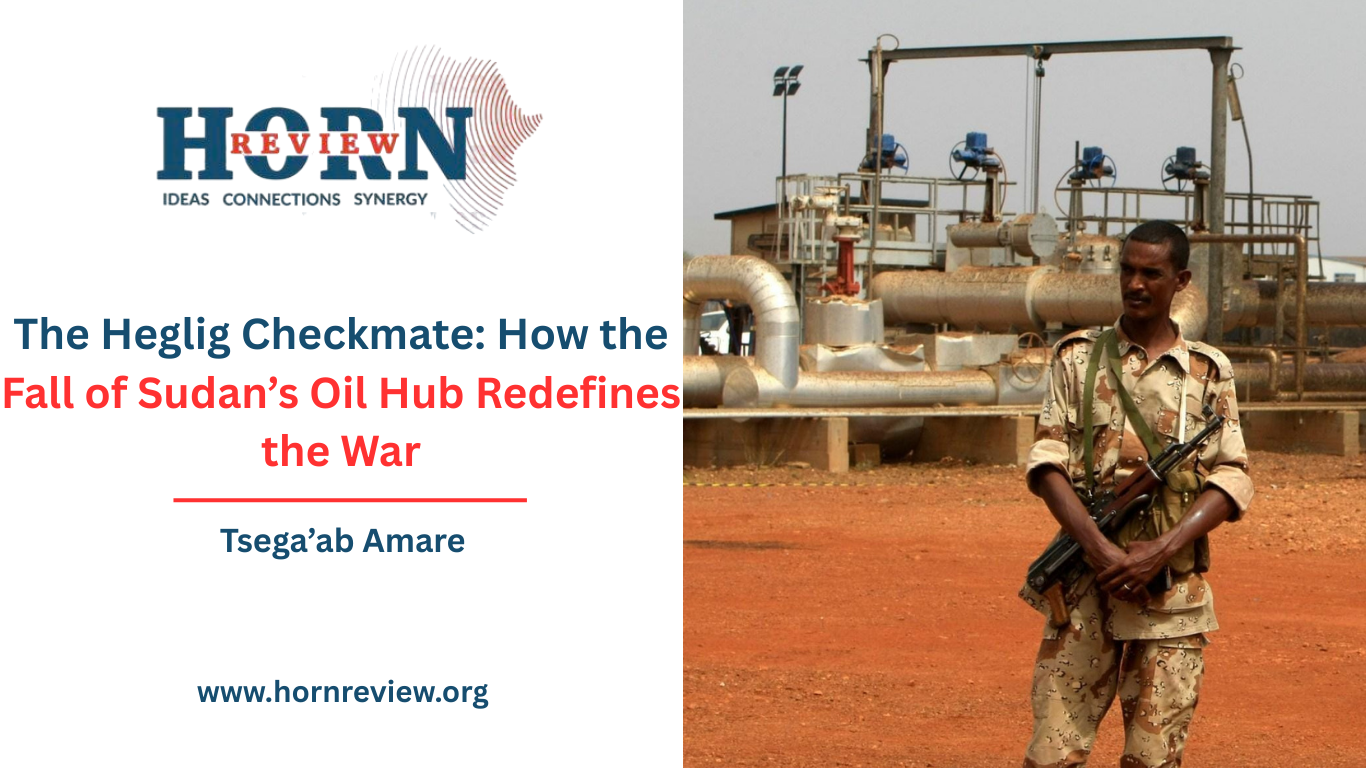
The Strategic Implications of Heglig’s Seizure in Sudan’s Civil War
The capture of Heglig by the Rapid Support Forces (RSF) on December 8, 2025, marks a pivotal transformation in the ongoing civil war in Sudan. This event signifies a shift from a territorial contest for the capital to a robust competition for economic sovereignty, particularly centered around the nation’s oil resources.
The Significance of Heglig
Heglig, a strategically important and oil-rich area, has historically acted as the de facto border between North and South Sudan. The RSF’s control over this region grants them unprecedented leverage, essentially transforming them into a resource-controlling entity with dominion over two sovereign states. By monopolizing Heglig, the RSF significantly alters the dynamics of power in the region, affecting both military strategy and economic flows.
Prelude to the Crisis: The Fall of Babanusa
The critical precursor to the RSF’s success was the fall of Babanusa on December 1, 2025. For nearly two years, the Sudanese Armed Forces (SAF) 22nd Infantry Division in Babanusa served as a key defensive position. Their inability to withstand a protracted siege ultimately led to their withdrawal, which effectively removed the last significant military barrier between RSF strongholds and the oil fields.
The Impact of the 22nd Infantry Division’s Collapse
With the SAF losing its primary military foothold in the region, the retreat from Babanusa allowed the RSF to advance rapidly towards Heglig. Reports indicate a swift withdrawal of the SAF’s 90th Infantry Brigade, tasked with defending the Heglig oil infrastructure, leaving hundreds of soldiers fleeing into South Sudan’s Unity State.
The Checkmate: Heglig’s Capture
Key Military Objectives Achieved
The RSF’s prompt and unchallenged capture of Heglig enables them to:
-
Consolidate Territorial Control: The RSF now connects West Kordofan with territories in West Darfur and South Sudan, creating a seamless zone of influence.
-
Deny Resources: The capture effectively cuts the SAF off from its last stronghold in the Muglad Basin oil fields, depriving them of vital revenues.
-
Control Border Dynamics: The RSF can now dictate the movement of personnel and goods along a crucial stretch of the Sudan-South Sudan border.
With Heglig serving as the “nervous system” of the regional oil economy, its capture is a game-changer for Sudan’s resource management.
SAF’s Response: Tactics or Retreat?
While RSF leaders celebrate their military success, the SAF has framed their withdrawal as a strategic maneuver to avoid catastrophic damage to the Central Processing Facility (CPF) at Heglig. Amidst the chaos, the SAF claims they acted deliberately to protect vital infrastructure, although the effectiveness of this narrative remains contested.
The Emergence of South Sudan as a Key Player
The implications of Heglig’s capture extend beyond Sudan. South Sudan’s Deputy Chief of Defense Forces, Lt. Gen. Johnson Olony, has indicated that they might consider intervention to secure Heglig for “regional stability.” With over 90% of Juba’s revenue relying on the CPF at Heglig, any interruptions pose an existential economic threat.
The South Sudan People’s Defence Forces (SSPDF) are actively absorbing fleeing SAF soldiers, which not only neutralizes Khartoum’s manpower but potentially creates a buffer against the RSF.
Juba’s Dilemma: Strategic Choices Ahead
The situation places South Sudan’s government in a precarious position. Historically, Juba has engaged with the Sudanese government led by the SAF, but he current landscape demands a reevaluation:
-
Scenario A: Juba negotiates with the RSF, effectively granting them de facto state recognition, which would fracture relations with the SAF.
-
Scenario B: Juba ignores the RSF, risking economic collapse and destabilization due to payroll issues within its military.
Global and Regional Stakeholders React
The loss of Heglig not only impacts local politics but also draws global stakeholders into a recalibrated reality where Sudan faces fragmentation. Companies like the China National Petroleum Corporation (CNPC) have sought to end their operations in the region due to escalating security concerns, signaling a retreat from Sudan’s volatile economic landscape.
The RSF’s newfound economic power also complicates existing international allegiances, especially as foreign backers weigh the costs of continued support. Allegations of UAE support for the RSF and military assistance from Iran to the SAF underline rising proxy dynamics, intensifying the conflict’s complexity.
Conclusion: A New Phase of Conflict
The capture of Heglig not only represents a military loss for the SAF but also symbolizes Sudan’s accelerating fragmentation. The RSF has evolved into a quasi-state with significant resource control, prompting regional actors, especially South Sudan, to make pragmatic and often painful decisions. As external powers recalibrate their interests in the divided nation, the conflict’s center of gravity has shifted decisively towards economic survival rather than political fate, pointing to a prolonged struggle for control in a resource-rich but unstable region.
For more insights and analyses on the Sudanese conflict, visit Sudan Tribune or Center Recherche to stay updated on the latest developments.
