




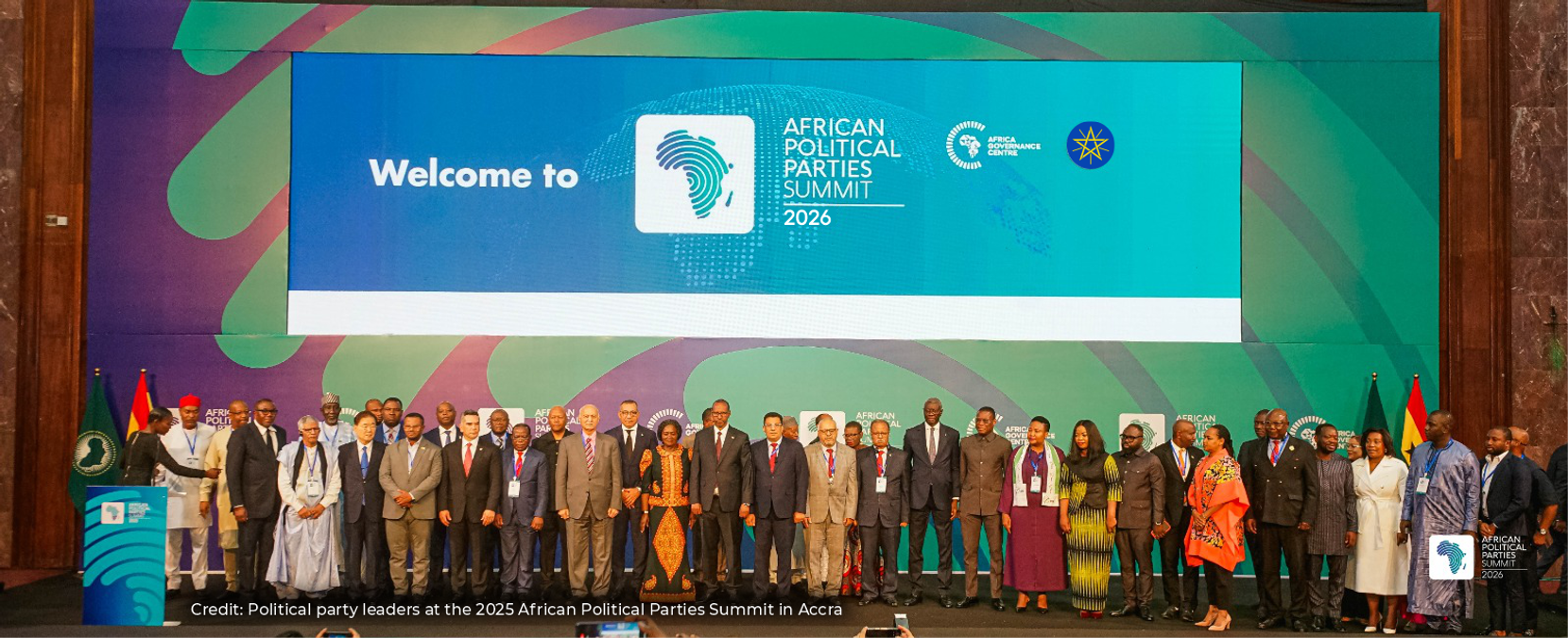
Ethiopia Set to Host Second African Political Parties Summit in Addis Ababa
Meta Description: Ethiopia prepares to host the second African Political Parties Summit in Addis Ababa. Discover key themes, participants, and the summit’s impact on continental democracy and governance.
Addis Ababa is gearing up to welcome political leaders from across the continent as Ethiopia hosts the second edition of the African Political Parties Summit (APPS). The high-level gathering, scheduled to take place at the African Union Headquarters, underscores the nation’s growing role in shaping continental political discourse and democratic consolidation.
Building on the success of the inaugural summit, this year’s edition aims to deepen inter-party dialogue, strengthen multiparty democracy, and address the evolving challenges of governance in Africa.
Summit Overview: Advancing Democratic Governance
The African Political Parties Summit serves as a unique platform for ruling and opposition parties to engage in constructive dialogue outside the often-adversarial context of national elections. Organized in collaboration with the African Union (AU) and the Ethiopian Prosperity Party, the event brings together Secretaries-General, Chairpersons, and high-ranking officials from political parties representing all five regions of the continent.
Key Focus: The summit moves beyond rhetoric, focusing on actionable frameworks for institutional resilience, youth inclusion, and the role of political parties in achieving Agenda 2063.
Core Themes and Agenda Items
The second edition centers on the theme: “Strengthening Political Parties for Inclusive Governance and Sustainable Development.” Delegates will tackle critical pillars essential for the maturation of Africa’s democratic landscape.
1. Institutionalizing Intra-Party Democracy
A primary focus is the internal health of political organizations. Sessions will explore mechanisms for transparent leadership selection, candidate nomination processes, and financial accountability within parties. Experts argue that intra-party democracy is the bedrock of national democratic stability.
2. Youth and Women’s Political Participation
With over 60% of Africa’s population under the age of 25, the summit prioritizes actionable strategies to dismantle barriers preventing youth and women from accessing leadership roles. Discussions will reference the African Charter on Democracy, Elections and Governance (ACDEG) as a benchmark for inclusive representation.
3. Digital Transformation and Political Campaigning
The impact of social media, artificial intelligence, and digital misinformation on electoral integrity is a hot-topic agenda item. Delegates will share best practices for regulating digital campaigning while safeguarding freedom of expression, drawing lessons from recent election cycles in Nigeria, Kenya, and South Africa.
4. Conflict Prevention and Mediation Roles
Political parties are often the first responders to political crises. The summit will formalize the role of party leaders in early warning systems and mediation efforts, particularly in fragile states undergoing political transitions.
Why Ethiopia? Strategic Significance of the Host Nation
Ethiopia’s selection as host for the second consecutive time signals the AU’s confidence in Addis Ababa as the continent’s diplomatic capital. As the seat of the African Union Commission, the city provides logistical infrastructure and symbolic weight.
Domestically, the summit aligns with the Prosperity Party’s stated agenda of political reform and national dialogue. Hosting the event allows Ethiopia to showcase its ongoing efforts to broaden the political space following the historic 2022 Pretoria Peace Agreement and the subsequent National Dialogue process.
External Context: The summit complements the work of the AU Department of Political Affairs, Peace and Security (PAPS), which mandates the promotion of democratic principles across member states.
Expected Outcomes and Deliverables
Unlike standard talk shops, the APPS is structured to produce tangible outputs:
- The Addis Ababa Declaration: A communiqué outlining collective commitments to party reform, electoral integrity, and the rejection of unconstitutional changes of government.
- Capacity Building Framework: A roadmap for the African Political Parties Dialogue Forum, facilitating peer-to-peer learning and technical assistance between older and newer parties.
- Monitoring Mechanism: Establishment of a continental observatory to track the implementation of internal democracy standards within signatory parties.
Regional and Global Implications
The summit arrives at a pivotal moment. Africa is navigating a complex “democratic recession” characterized by a rise in military coups in the Sahel, contested election results, and shrinking civic spaces.
By fostering a “community of practice” among political parties, the summit seeks to:
- Legitimize Opposition Politics: Normalize the concept of a “loyal opposition” as essential to governance rather than a threat to stability.
- Harmonize Electoral Standards: Push for the domestication of AU election observation guidelines into national party codes of conduct.
- Attract Development Partnerships: Demonstrate to international partners (EU, UN, NDI, IRI) that African parties are self-regulating and committed to democratic values.
Voices from the Floor: Anticipated Perspectives
While the official delegate list is confirmed closer to the date, representatives from dominant parties like South Africa’s ANC, Kenya’s UDA, Tanzania’s CCM, and Ghana’s NPP/NDC are expected to share contrasting models of party longevity and renewal.
Opposition leaders from across the spectrum will utilize the platform to advocate for level playing fields, specifically regarding access to state media, public funding formulas, and the independence of Electoral Management Bodies (EMBs).
Looking Ahead: The Road to the Third Edition
The success of the second edition will be measured not by the communiqué signed in Addis Ababa, but by the reforms enacted in party constitutions in Harare, Abuja, and Dakar over the next two years. The summit secretariat is expected to announce the host for the third edition, with speculation pointing toward a Southern or West African capital to ensure rotational equity.
Frequently Asked Questions (FAQ)
What is the African Political Parties Summit (APPS)? The APPS is a continental platform established under the auspices of the African Union to facilitate dialogue, experience sharing, and capacity building among African political parties to strengthen multiparty democracy.
When and where is the 2nd Summit taking place? The summit is hosted in Addis Ababa, Ethiopia, at the African Union Headquarters. Specific dates are typically announced by the AU Commission and the Ethiopian host committee.
Who participates in the Summit? Participants include Secretaries-General, Presidents, and senior officials from ruling and opposition political parties across AU Member States, as well as representatives from Regional Economic Communities (RECs), Civil Society Organizations (CSOs), and international democracy support organizations.
How does this summit differ from the AU Assembly? The AU Assembly is a summit of Heads of State and Government. The APPS is exclusively for political party structures, focusing on the operational, ideological, and organizational challenges of party politics rather than state-level diplomacy.
What was the outcome of the first edition? The inaugural summit established the African Political Parties Dialogue Forum and adopted a framework for institutionalizing party-to-party cooperation, setting the baseline for the current edition’s focus on implementation.
Key Takeaways
- Ethiopia reinforces its diplomatic centrality by hosting the 2nd African Political Parties Summit.
- The summit focuses on intra-party democracy, youth inclusion, and digital governance.
- Tangible outputs include a Declaration, a Capacity Building Framework, and a Monitoring Mechanism.
- The event is critical for reversing the democratic recession trends observed in parts of the continent.
Related Reading:
