




Meta Title: Ethiopia’s Agroecology Strategy: Transforming Food Systems & Climate Resilience
Meta Description: Discover how Ethiopia’s new agroecology-based strategy aims to restore degraded land, boost soil fertility, and strengthen smallholder resilience against climate change.
Focus Keyword: Ethiopia agroecology strategy
Slug: ethiopia-agroecology-strategy-food-system-transformation
Ethiopia Unveils Comprehensive Agroecology Strategy to Transform Food Systems and Combat Climate Change
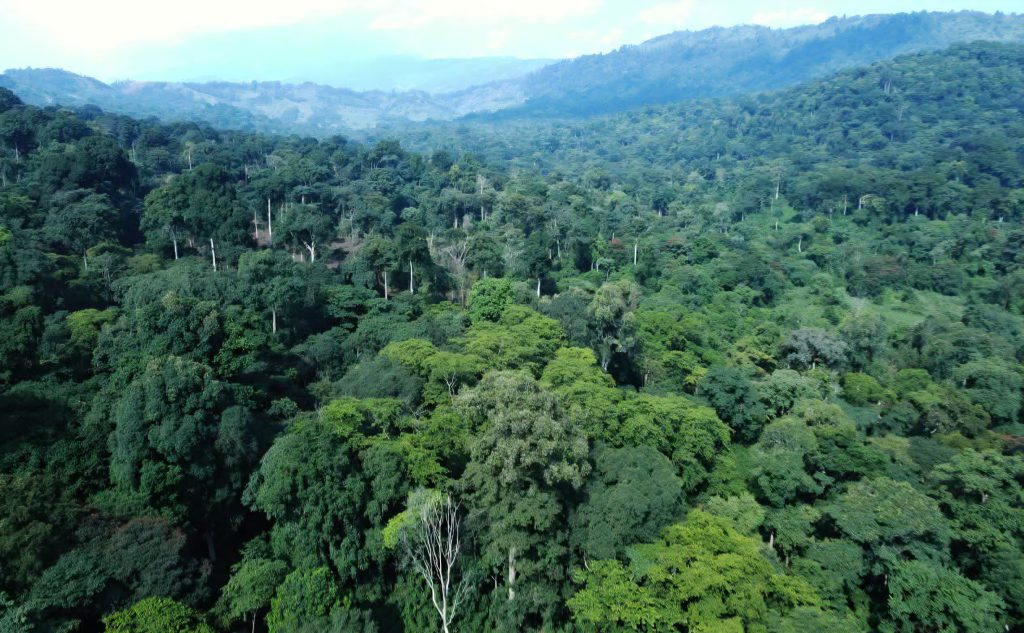
Addis Ababa — Ethiopia is advancing a bold, agroecology-based strategy designed to fundamentally transform its national food system, restore millions of hectares of degraded land, and fortify the resilience of smallholder farmers against escalating climate shocks. Developed by the Ministry of Agriculture (MoA) in partnership with a broad coalition of stakeholders, the strategy adopts a holistic “farm-to-fork” approach, spanning sustainable farming practices, crop production, natural resource management, and nutrition-sensitive food consumption.
The roadmap was a central focus of the Third National Agroecology Conference, held in Addis Ababa on November 6, 2026. The event convened policymakers, researchers, development partners, and farmers to align ecological farming approaches with national agricultural policy.
A Strategy Rooted in Ecological Diversity
Speaking at the conference opening, Miteku Ayele, Advisor to the Minister of Agriculture, underscored that the strategy is not a one-size-fits-all prescription. It was meticulously developed based on Ethiopia’s diverse ecological conditions, which range from cool, humid highlands to hot, arid lowlands.
“Adopting agricultural approaches that respond to the country’s different ecological zones is critical for improving the long-term productivity of farmland,” Ayele stated, identifying soil fertility improvement as a cornerstone priority of the new framework.
This localized approach is vital for a nation where agriculture remains the backbone of the economy, employing the majority of the population and relying heavily on rain-fed agriculture systems.
Addressing the Triple Threat: Climate, Soil, and Biodiversity Loss
Dr. Hailu Are’aya, Director General of PELUM Ethiopia (Participatory Ecological Land Use Management), painted a stark picture of the challenges necessitating this shift. He highlighted a converging crisis of:
- Climate change increasing weather variability.
- Declining soil fertility and rampant soil erosion.
- Degradation and depletion of natural resources, including deforestation and water scarcity.
Dr. Are’aya emphasized that expanding agroecological practices offers a systemic solution to these interconnected threats while ensuring sustainable food production for a growing population.
Core Agroecological Practices Driving the Transition
The strategy promotes farming systems that work with natural ecosystems rather than relying exclusively on external synthetic inputs. Key practices being scaled up include:
- Crop diversification: Rotation and intercropping to break pest cycles and improve soil structure.
- Soil health management: Composting, green manure, and reduced tillage to build soil organic carbon.
- Agroforestry: Integrating trees into farming landscapes for shade, fodder, fruit, and carbon sequestration.
- Water conservation: Indigenous and modern harvesting techniques to buffer against irregular rainfall.
- Biological pest management: Reducing pesticide dependence through ecological balance.
- Conservation of indigenous crop varieties: Safeguarding genetic diversity for future adaptation.
These methods directly contribute to the principles of Climate-Smart Agriculture (CSA), enhancing adaptation, mitigation, and productivity simultaneously.
Voices from the Field: Farmer-Led Innovation
A highlight of the Third National Agroecology Conference was the platform given to smallholder farmers who have successfully implemented these approaches. Participants shared practical experiences on locally adapted techniques for improving yields and protecting natural resources, providing living proof that participatory technology development works.
The conference also featured a vibrant exhibition showcasing:
- Indigenous seeds (including resilient varieties of teff, sorghum, and enset).
- Traditional farming tools optimized for conservation agriculture.
- Locally produced foods demonstrating nutritional diversity.
This focus highlights the critical role of traditional knowledge systems and Farmers’ Rights in building sustainable food sovereignty.
Recognizing Champions of Biodiversity and Seed Conservation
The event recognized outstanding contributions from farmers, researchers, and institutions dedicated to:
- Seed conservation and community seed banks.
- Biodiversity protection across agroecological zones.
- Promotion of sustainable agriculture at scale.
Support for the conference came from a strong alliance of international and local partners, including the Ethiopian Biodiversity Institute (EBI), the Agroecology Fund, Brot für die Welt, ActionAid, and CST Ethiopia.
Ethiopia’s Unique Agroecological Context: Why This Matters Now
Ethiopia possesses one of the most diverse agricultural landscapes in Africa. The country spans 18 major agroecological zones (traditionally classified into 5 major categories: Wurch, Dega, Weinadega, Kolla, and Bereha), supporting a staggering variety of crops—teff, wheat, maize, sorghum, barley, coffee, enset—and diverse livestock systems.
However, this richness is under siege. Land degradation costs Ethiopia an estimated 2-3% of its agricultural GDP annually. For the millions of smallholders farming plots often smaller than one hectare, the loss of topsoil and unpredictable rains represent existential threats.
Alignment with National Green Growth Ambitions
This agroecology strategy does not exist in a vacuum. It is designed to synergize with Ethiopia’s flagship environmental programs, most notably the Green Legacy Initiative—a massive nationwide tree-planting and reforestation campaign—and broader Sustainable Land Management (SLM) programs.
By integrating agroecology into these existing frameworks, the Ministry of Agriculture aims to create a cohesive policy environment where landscape restoration, watershed management, and food production reinforce one another.
The Path Forward: Policy Integration and Scaling
The ultimate goal of the Third National Agroecology Conference was to bridge the gap between practice and policy. Discussions centered on:
- Mainstreaming agroecology into national agricultural extension curricula.
- Redirecting subsidies from synthetic inputs toward organic compost production and bio-fertilizers.
- Strengthening market access for agroecologically produced goods through Participatory Guarantee Systems (PGS).
- Enhancing research-extension-farmer linkages for continuous innovation.
Conclusion
Ethiopia’s new agroecology strategy represents a paradigm shift—from input-intensive intensification to knowledge-intensive, ecology-based intensification. By betting on its biodiversity, its farmers’ ingenuity, and the health of its soils, Ethiopia is charting a path toward a food system that is not only productive but resilient, equitable, and sustainable for generations to come.
Frequently Asked Questions (FAQ)
What is the main goal of Ethiopia’s new agroecology strategy? The primary goal is to transform the national food system by restoring degraded land, improving soil fertility, and strengthening the climate resilience of smallholder farmers through ecological farming practices.
Who organized the Third National Agroecology Conference? The conference was organized by the Ministry of Agriculture (MoA) in collaboration with stakeholders including PELUM Ethiopia, the Ethiopian Biodiversity Institute, and development partners like the Agroecology Fund and Brot für die Welt.
How does agroecology differ from conventional farming in Ethiopia? Agroecology relies on ecosystem services—like nutrient cycling, natural pest control, and water retention—using practices such as intercropping, agroforestry, and composting. Conventional farming often depends heavily on external synthetic fertilizers and pesticides.
Why is soil fertility a major priority in the strategy? Decades of soil erosion, nutrient mining, and mono-cropping have severely depleted organic matter in Ethiopian highlands. Restoring soil health is the foundation for yield stability and carbon sequestration.
What crops benefit most from agroecological approaches in Ethiopia? Staple cereals (teff, wheat, maize, sorghum), pulses, coffee, and the staple root crop enset all show improved resilience and yield stability under diversified, organic management systems.
External Resources & Further Reading:
- FAO: Agroecology Knowledge Hub – Global framework for agroecological transition.
- Ministry of Agriculture, Ethiopia (Official Portal) – National policy documents and reports.
- Ethiopian Biodiversity Institute (EBI) – Conservation of plant genetic resources.
- CGIAR: Climate-Smart Agriculture in Ethiopia – Research on climate adaptation.
- PELUM Ethiopia – Network promoting ecological land use.
- UNCCD: The Great Green Wall Initiative – Regional context for land restoration.
