




Ethiopia Advances Nuclear Power Regulatory Framework to Meet IAEA Standards
Meta Description: Ethiopia is strengthening its nuclear regulatory framework with IAEA-aligned draft rules, stakeholder consultations, and partnerships with the US NRC and Russia’s Rostechnadzor for safe nuclear energy deployment.
Ethiopia Nuclear Power Regulation: Strategic Steps Toward Clean Energy Generation
Addis Ababa — Ethiopia is accelerating efforts to establish a robust nuclear regulatory infrastructure, positioning the nation to harness atomic energy for peaceful power generation. In a significant move aligned with global safety benchmarks, the Ethiopian Technology Authority (ETA) has finalized draft regulations governing nuclear installations and opened them for stakeholder review.
This development marks a critical milestone in the country’s ambition to diversify its energy mix and secure long-term electricity supply through nuclear technology.
Stakeholder Consultation Drives Regulatory Maturity
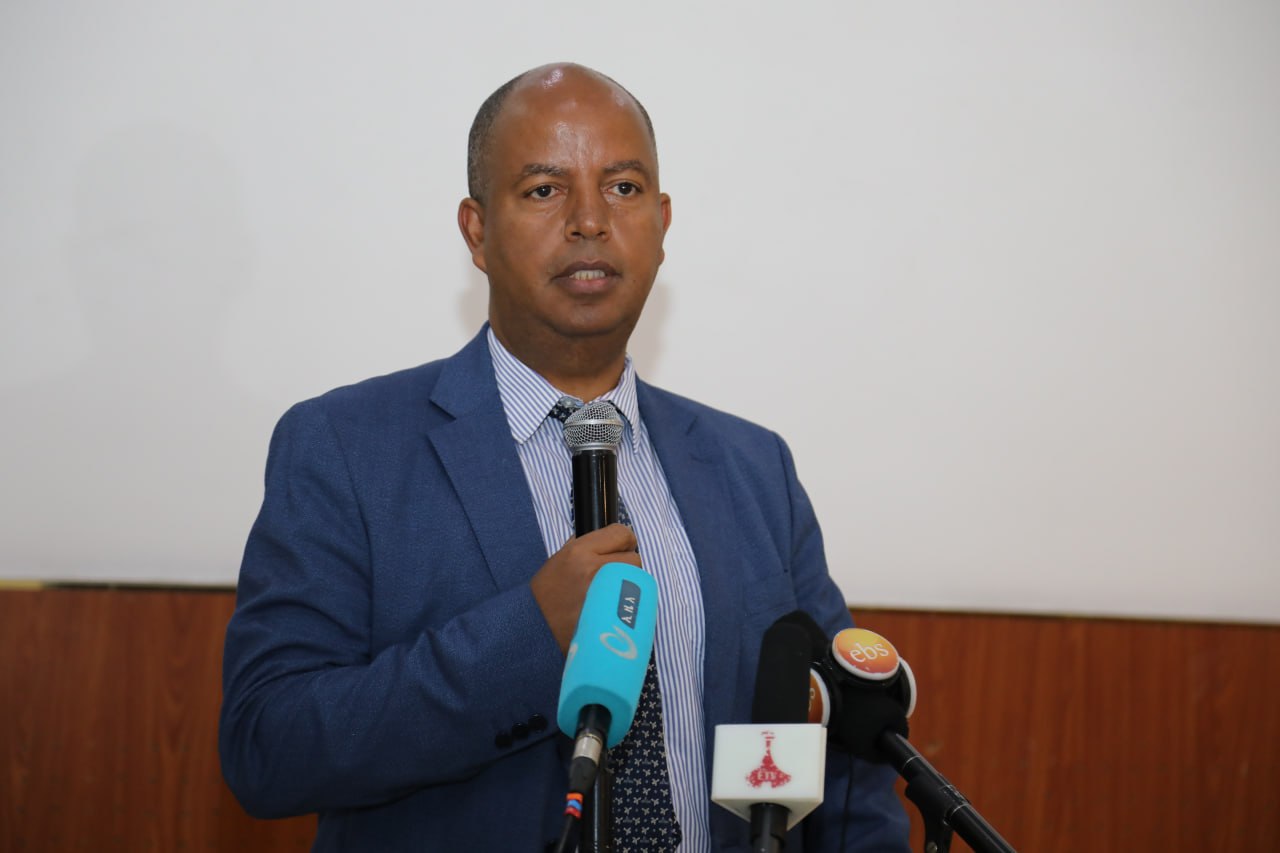
On August 4, 2026, the ETA convened a high-level stakeholder consultation forum in the capital, bringing together government agencies, professional associations, and strategic partners. The objective was to scrutinize the draft regulatory rules designed to govern the lifecycle of future nuclear facilities—from site selection to decommissioning.
Solomon Getachew, Director-General of the Ethiopian Technology Authority, emphasized that the nation has undertaken extensive preparatory work since formally notifying the International Atomic Energy Agency (IAEA) of its intent to pursue a nuclear power program.
“We are not starting from scratch. We are building on a foundation of rigorous human resource development, legal drafting, and the establishment of licensing and inspection protocols that strictly adhere to IAEA Safety Standards,” Getachew stated during the forum.
Draft Regulations Align with Global Safety Standards
The proposed regulatory framework is comprehensive, addressing the full spectrum of safety and security requirements mandated by the international nuclear community. Key pillars of the draft rules include:
- Site Selection Criteria: Stringent geological, demographic, and environmental screening processes.
- Environmental & Public Safety Safeguards: Mechanisms to protect communities and ecosystems during routine operations and potential incidents.
- Hazard Mitigation: Integrated strategies for both natural hazards (seismic activity, flooding) and man-made threats (security breaches, industrial accidents).
- Emergency Preparedness & Response: Comprehensive protocols aligned with the IAEA’s Emergency Preparedness and Response (EPR) framework.
These measures ensure that Ethiopia’s entry into nuclear power generation prioritizes the protection of people and the environment above all else.
Strategic International Partnerships Boost Capacity
Recognizing the complexity of nuclear regulation, Ethiopia is leveraging technical cooperation agreements with leading global nuclear regulators. The Authority confirmed active partnerships with two major nuclear powers:
- United States Nuclear Regulatory Commission (NRC): Collaboration focuses on licensing frameworks, inspection methodologies, and regulatory independence.
- Russia’s Federal Environmental, Industrial and Nuclear Supervision Service (Rostechnadzor): Cooperation covers safety assessments, regulatory crafting, and personnel training.
These bilateral engagements provide Ethiopian regulators with direct access to decades of operational experience and best practices from mature nuclear industries.
Next Steps: Ratification and Infrastructure Development
Feedback gathered during the consultation workshop will be instrumental in refining the draft regulations before formal ratification. Once enacted, these laws will empower the ETA to function as an independent, competent regulatory body capable of licensing the country’s first Nuclear Power Plant (NPP).
This regulatory progress runs parallel to other IAEA milestones, including the completion of the Integrated Nuclear Infrastructure Review (INIR) missions, which assess the readiness of “newcomer” countries across 19 infrastructure issues.
Why Nuclear Energy for Ethiopia?
As Ethiopia pursues its goal of becoming a middle-income, climate-resilient economy, the demand for baseload electricity—power that runs 24/7 regardless of weather—is surging. While the nation leads Africa in hydroelectric capacity (notably the Grand Ethiopian Renaissance Dam), climate vulnerability and seasonal variability necessitate a diversified portfolio.
Nuclear energy offers:
- Zero-carbon baseload power complementing variable renewables like wind and solar.
- High energy density requiring minimal land footprint.
- Long-term price stability compared to fossil fuel imports.
Frequently Asked Questions (FAQ)
What is the role of the Ethiopian Technology Authority in nuclear power? The ETA serves as the national nuclear regulatory body responsible for drafting laws, issuing licenses, conducting inspections, and enforcing safety standards for all nuclear and radiation facilities in Ethiopia.
Has Ethiopia started building a nuclear power plant? No. Ethiopia is currently in the Phase 2 “Preparatory” stage of the IAEA Milestones Approach—finalizing the legal/regulatory framework, conducting site surveys, and building human capacity before a construction decision is made.
Which countries are helping Ethiopia develop nuclear regulations? Primary technical cooperation partners include the United States (via the NRC) and Russia (via Rostechnadzor), alongside guidance from the IAEA.
How does Ethiopia ensure nuclear safety? By adopting the IAEA Safety Standards (specifically the Fundamental Safety Principles SF-1 and Governmental, Legal and Regulatory Framework for Safety GSR Part 1) as the baseline for all national regulations.
Related Reading:
