




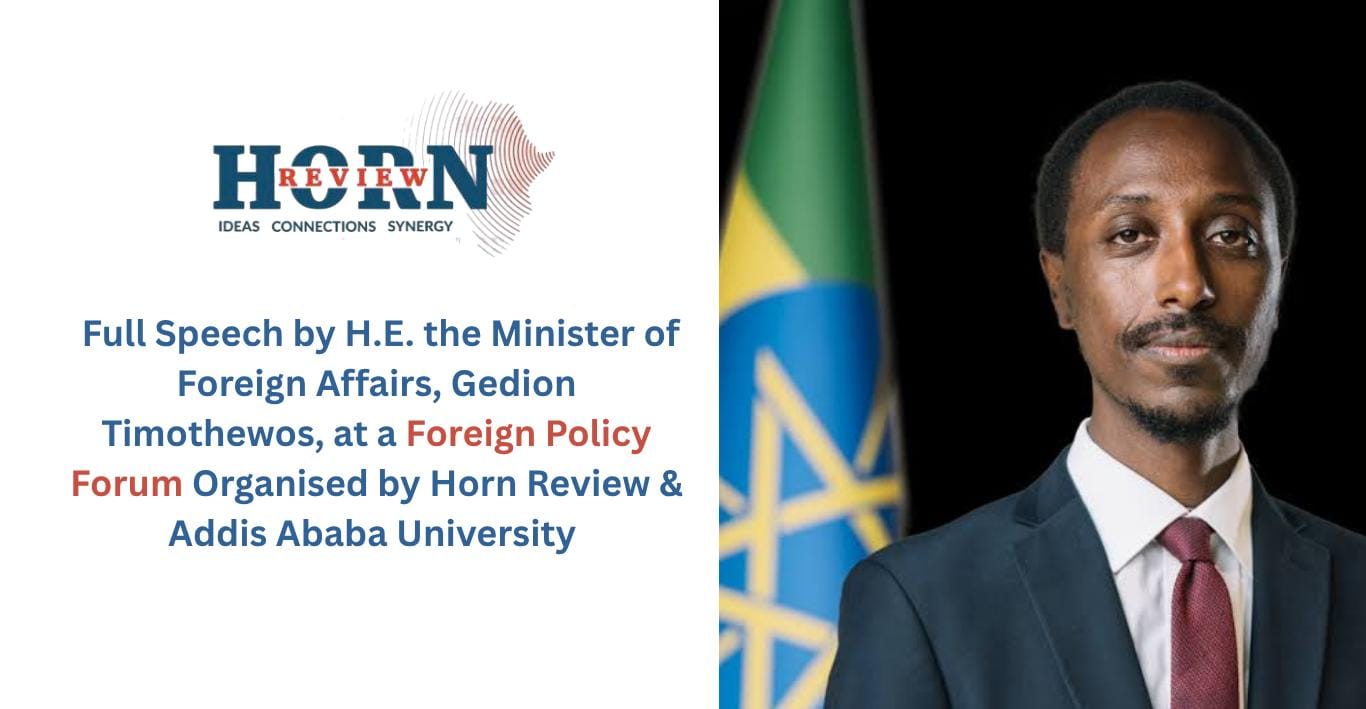
Understanding Ethiopia-Eritrea Relations: Historical Context and Future Prospects
Introduction
The Horn of Africa is a region marked by both vast potential and persistent turmoil. Amidst ongoing turbulence, the relationship between Ethiopia and Eritrea continues to be a focal point of concern. This article delves into historical complexities, examines current tensions, and explores future possibilities for peace and integration in the Horn.
Historical Landscape of Ethiopia-Eritrea Relations
The Complexity of Borders and Governance
The Ethiopia-Eritrean relationship has long been characterized by conflict and tension. Over the past 73 years, various political configurations have emerged—from federation to full independence—without producing lasting peace. Eritrea gained independence from Ethiopia in 1993 but was involved in a devastating conflict just five years later, igniting a war in 1998 over territorial disputes, particularly the town of Badme.
The Eritrea-Ethiopia Claims Commission found Eritrea to be the aggressor, citing a military attack that violated international law. While the Algiers Agreement in 2000 formally ended the war, the absence of a stable peace strategy led to an 18-year standoff marked by hostility.
Rapprochement and Subsequent Setbacks
In 2018, Ethiopia sought to end the impasse by initiating a rapprochement with Eritrea, demonstrating goodwill and advocating for the lifting of Lebanese sanctions. This brief period of cooperation, however, highlighted a critical divide in perspectives, with the Eritrean leadership demonstrating an aversion to peaceful relations. As tensions persist, it has become clear that historical grievances continue to influence the current diplomatic environment in the region.
Key Factors Contributing to Ongoing Tensions
Sovereignty vs. Economic Integration
Eritrea’s desire for sovereignty, while simultaneously benefiting from economic ties with Ethiopia, presents a paradox. This quest has manifested in a policy stance that seeks to influence Ethiopia’s internal affairs, hampering potential cooperation. Additionally, external actors often leverage Eritrean ties to disrupt Ethiopian stability, complicating diplomatic relations further.
The Isaias Doctrine
Rooted in historical patterns, the Isaias Doctrine posits that Eritrea’s security is intertwined with Ethiopia’s instability. This principle fosters an environment where Eritrea’s government thrives on perpetuating conflict rather than cooperation, which hampers progress toward mutual prosperity.
Anomalous State Structure
Unlike many modern governments that focus on citizens’ welfare, the Eritrean regime operates under a military-first ethos. Citizens’ basic needs are often subordinated to state interests, creating a landscape where aggression, rather than economic development, remains the priority. As a result, Eritrea is unable to engage meaningfully in potential economic partnerships with Ethiopia, contributing to chronic tensions.
The Path Forward
Regional Economic Integration
Realizing a stable and prosperous Horn of Africa hinges on fostering economic integration among its nations, recognizing shared histories and complexities. Ethiopia seeks to champion regional initiatives that respect the sovereignty of states while facilitating trade, investment, and shared prosperity. The vision is for the Horn to emerge as an economic powerhouse that benefits from collective resources and strategic collaborations.
Building Trust
For sustainable peace to materialize, trust and mutual respect are paramount. The groundwork for such relationships can begin with foundational agreements, such as establishing a Free Trade Area that facilitates the exchange of goods, services, and people. This cooperative approach could address the longstanding grievances between Ethiopia and Eritrea while promoting regional stability.
Conclusion: A Call for Constructive Dialogue
The road to peace in the Horn of Africa is fraught with challenges, yet it is a crucial endeavor for both Ethiopia and Eritrea. While external and internal provocateurs may continue to pose obstacles, a commitment to dialogue and cooperation is essential. The international community also plays a pivotal role in encouraging Eritrea to engage constructively, fostering a collaborative environment.
Through understanding historical contexts and emphasizing economic integration, the narrative can shift from one of conflict to harmony—a future where Ethiopia and Eritrea can thrive together as partners.
References
May Peace Prevail in the Horn!
This comprehensive assessment of Ethiopia’s relationship with Eritrea provides a clear pathway for understanding historical complexities and the potential for future cooperation within the Horn of Africa.
