




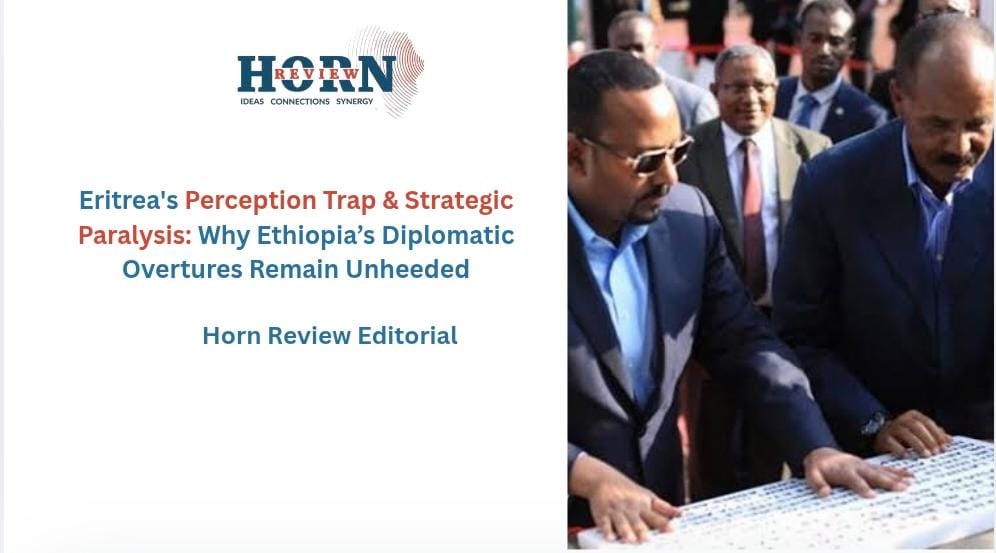
Navigating the Complex Dynamics of Eritrea’s Foreign Policy: Historical Context and Current Challenges
Eritrea’s foreign policy today is deeply influenced by its tumultuous history, primarily its intense relationship with Ethiopia. Understanding this context is critical for grasping the ongoing tensions that shape both nations’ strategies.
Historical Context: The Legacy of War
The Border War and Lasting Impressions
The catastrophic border war between Eritrea and Ethiopia from 1998 to 2000 has left enduring scars on Eritrea’s psyche. This conflict, which resulted in a fragile ceasefire, has fostered a landscape of distrust. Following the Algiers Agreement, the prolonged period of “no war, no peace” solidified the perception of Ethiopia not just as a rival, but as a source of ongoing insecurity.
Even significant diplomatic milestones, such as the 2018 summit led by Ethiopian Prime Minister Abiy Ahmed, have done little to alleviate this distrust within Eritrean leadership. The deeply ingrained historical grievances continue to influence decision-making and policies in Asmara.
Current Foreign Relations: A Paradox of Alliances
Strategic Alignments with Historical Adversaries
Eritrea’s recent foreign policy paradoxically involves closer ties with Egypt, Ethiopia’s long-standing adversary. This relationship includes tactical support for splinter factions within Ethiopia, notably the Tigray People’s Liberation Front (TPLF). However, this strategy is rooted not merely in operational capacity but in Eritrea’s broader aim to counterbalance a powerful and unpredictable state in Ethiopia.
With Ethiopia solidifying its status as a unified nation with significant demographic and military advantages, Eritrea’s anxiety only intensifies. Ethiopia’s internal struggles—such as discord within the TPLF and unrest in Amhara—do not overshadow its institutional strength. Instead, they provide Eritrea with potential openings for intervention, albeit precariously dependent on shifting alliances.
The Fragility of Tactical Relationships
Risk of Strategic Overreach
Eritrea’s reliance on alliances with splinter or proxy groups presents inherent risks. These factions often lack coherent strategies and are subject to fluctuating loyalties influenced by internal Ethiopian dynamics. Relying heavily on such transient partnerships exposes Eritrea to strategic overreach, particularly if these alliances dissolve when they are needed most.
Regional Factors: The Horn of Africa Landscape
Competing Regional Powers and Unresolved Issues
The broader geopolitical landscape of the Horn of Africa adds layers of complexity to Eritrea’s situation. Competing influences from Gulf states and historical disputes—particularly Ethiopia’s quest for independent access to the Red Sea—further complicate relations.
Eritrea perceives Ethiopia’s attempts to negotiate maritime access as existential threats, further fueling a narrative of conflict. This dynamic illustrates how Eritrea’s strategic positions are often more about psychological subversion than territorial disputes.
Psychological Barriers to Diplomacy
Historical Memory as a Constraints
The weight of historical memory cannot be overlooked. Eritrea’s leadership, shaped by decades of revolutionary struggle, views diplomatic gestures with skepticism, interpreting them as strategic ploys rather than genuine offers for dialogue. This cultural lens complicates the delicate process of negotiation, often branding concessions as weaknesses—a significant barrier to peace.
Ethiopia’s Stance: A Dilemma of Dialogue and Defense
Counteraccusations and Calls for Engagement
Ethiopia, for its part, responds to Eritrean posturing with accusations of aggression and interference. This includes claims of Eritrea backing armed groups within Ethiopian borders. However, Ethiopia has also signaled a willingness to engage in dialogue conditional on Eritrea’s respect for its sovereignty. Ethiopia’s dual strategy—balancing readiness for negotiation while preparing for potential conflict—reveals its own complex security dilemmas.
The Cost of Continued Conflict
Socioeconomic Implications
The longstanding tensions in the Horn of Africa come at a tremendous cost. Decades of conflict have resulted in millions of displaced individuals and substantial economic losses, with estimates suggesting that warfare could have drained hundreds of billions in development potential. These historical wounds significantly impact current public sentiment towards militarization and diplomacy.
The Path Forward: Opening Doors to Dialogue
Embracing Negotiation as Strategic Strength
Despite these challenges, the potential for negotiation remains open. Regional actors and Ethiopia’s official communications urge diplomacy as the most viable solution for long-term stability. For Eritrea, distinguishing between necessary vigilance and ingrained fear is crucial. Embracing negotiation does not equate to vulnerability but rather necessitates a strategic reassessment of historical grievances.
Eritrea’s strategic dilemma highlights broader challenges faced by many post-conflict nations: transitioning from security paradigms shaped by historic wars to a future-oriented approach that effectively manages uncertainty. True stability in the Horn of Africa will emerge not from entrenched fear but through a proactive embrace of negotiation as an instrument of strength.
Conclusion: Rethinking Strategic Visions
As Eritrea navigates its complex foreign policy landscape, understanding the interplay between historical context and present challenges is essential. Through reevaluation and willingness to enter dialogue, Eritrea can build pathways toward peace that honor the past but do not let it dictate the future.
For more insights on economic impacts of conflict and regional geopolitics in the Horn of Africa, visit World Peace Foundation and International Crisis Group.
