




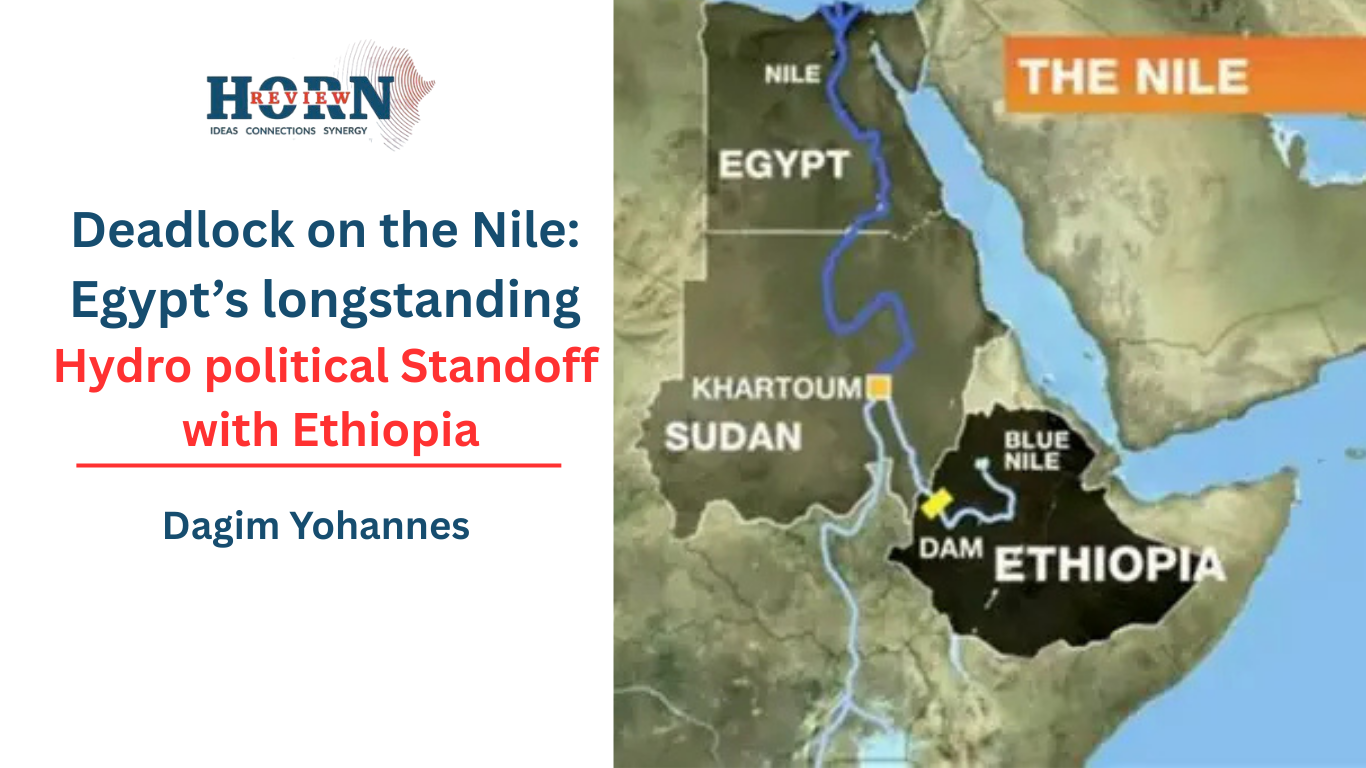
The Nile Dispute: A Complex Web of Diplomacy Between Egypt and Ethiopia
The diplomatic dynamics between Egypt and Ethiopia have spanned almost a century, producing over 30 bilateral agreements covering trade, investment, aviation, and dispute resolution. Yet, the ongoing Nile dispute underscores a complex reality, where cooperation coexists with deep-seated mistrust, particularly regarding water resource management.
An Overview of Bilateral Relations
Investment Treaty Insights
The Investment Treaty of 2006 offers a significant glimpse into the robust relationship between the two nations. It guarantees protection from expropriation and facilitates the unhindered transfer of capital, thus creating a foundation for mutually beneficial economic interdependence. This framework exemplifies a partnership built on trust, acknowledging Ethiopia as a credible economic ally amidst a more integrated regional order.
Security Cooperation and Trust
Security Agreements and Their Implications
The 2018 Security Cooperation Memorandum focuses on counterterrorism and regional stability. This agreement indicates Egypt’s readiness to cooperate on sensitive security matters, suggesting a baseline confidence that neither country intends to destabilize the other. However, this trust dissipates when discussions shift to shared water governance, revealing a paradox where collaboration is contingent upon maintaining historical advantages.
Tensions Rooted in Historical Context
The Dispute Settlement Agreement
The 1986 Dispute Settlement Agreement was designed to prevent conflicts from intensifying. The existence of this mechanism contradicts the assertion that the Nile impasse results from a lack of dialogue pathways. Instead, political reluctance to activate these mechanisms persists, primarily when outcomes may disrupt entrenched privileges.
Egypt’s Water Scarcity and Strategic Culture
Egypt’s declaration of the Nile as a “red line” stems from genuine vulnerability, as it is among the most water-scarce nations globally. With over 95% of its renewable freshwater coming from the Nile, water security is equated with national survival. Yet, Egypt’s narrative overlooks its significant groundwater resources, which could dilute its existential claims. Utilizing groundwater wisely could transform perceptions and foster a more collaborative approach, while Ethiopia’s management of the Grand Ethiopian Renaissance Dam (GERD) emphasizes sustainable resource use.
Colonial Legacies and Modern Realities
The Legacy of Historical Treaties
Egypt’s strong sense of entitlement to Nile waters is entrenched in colonial agreements, notably the 1929 Anglo-Egyptian Treaty and the 1959 Nile Waters Agreement with Sudan. These agreements granted Egypt extensive control and excluded upstream nations like Ethiopia from decision-making processes. Today, this historical backdrop complicates equitable resource management and reinforces a perception of upstream calls as challenges to Egypt’s historical rights.
Asymmetrical Power Dynamics
Such agreements are unacceptable to upstream nations, like Ethiopia, which have legitimate claims for equitable water use. Ethiopia’s aspirations for sustainable development require collaboration rather than confrontation, as it seeks to empower itself while mitigating historical grievances.
Domestic Politics and the Nile Agenda
Political Leverage in Egypt
Egypt’s domestic political landscape also exacerbates its rigidity on Nile issues. Historically, leaders have leveraged Nile-related narratives to deflect public scrutiny from internal challenges. This strategy resonates deeply, given the Nile’s cultural significance as a symbol of national pride and identity.
Regional Dynamics and Strategic Perspectives
The Emergence of Ethiopia as a Leader
Ethiopia’s infrastructural advancements, exemplified by the GERD, reflect a shift in the regional power dynamic. This evolution causes unease for Egypt, which perceives Ethiopia’s growing capabilities as a challenge to its historical dominance. However, Ethiopia’s focus on creating interdependence through energy cooperation signals potential for mutual benefits, rather than a zero-sum scenario.
Moving Towards Collaboration
Embracing Multilateral Frameworks
To break the longstanding deadlock over the Nile, Egypt must transition from a strictly defensive stance to practical cooperation. Relying on historical treaties will not suffice; instead, engagement with the Nile Basin Initiative (NBI) and the Cooperative Framework Agreement (CFA) is essential for negotiating water-sharing arrangements that address the needs of all riparian states.
A Model for Cooperation: The Mekong River Commission
The Mekong River Commission (MRC) serves as an exemplary model of collaboration among multiple nations. Despite historical tensions, MRC members share vital hydrological data and coordinate water resource management to foster stability. Egypt could benefit from adopting similar principles, laying the groundwork for a cooperative framework that ensures equitable utilization of the Nile.
Conclusion: A Path to Shared Prosperity
The Nile should not be a battleground for historical grievances but a source of shared prosperity. By rethinking its approach and engaging constructively with Ethiopia and other riparian states, Egypt can foster a new paradigm of shared water governance, transforming a historical narrative of entitlement into one of collaborative stewardship.
Engaging in genuine cooperation over the Nile offers an opportunity for both nations to redefine their relationship and achieve sustainable development goals that respect the needs of all riparian states.
