




Ethiopia’s Model for Child Nutrition and Survival: A Success Story
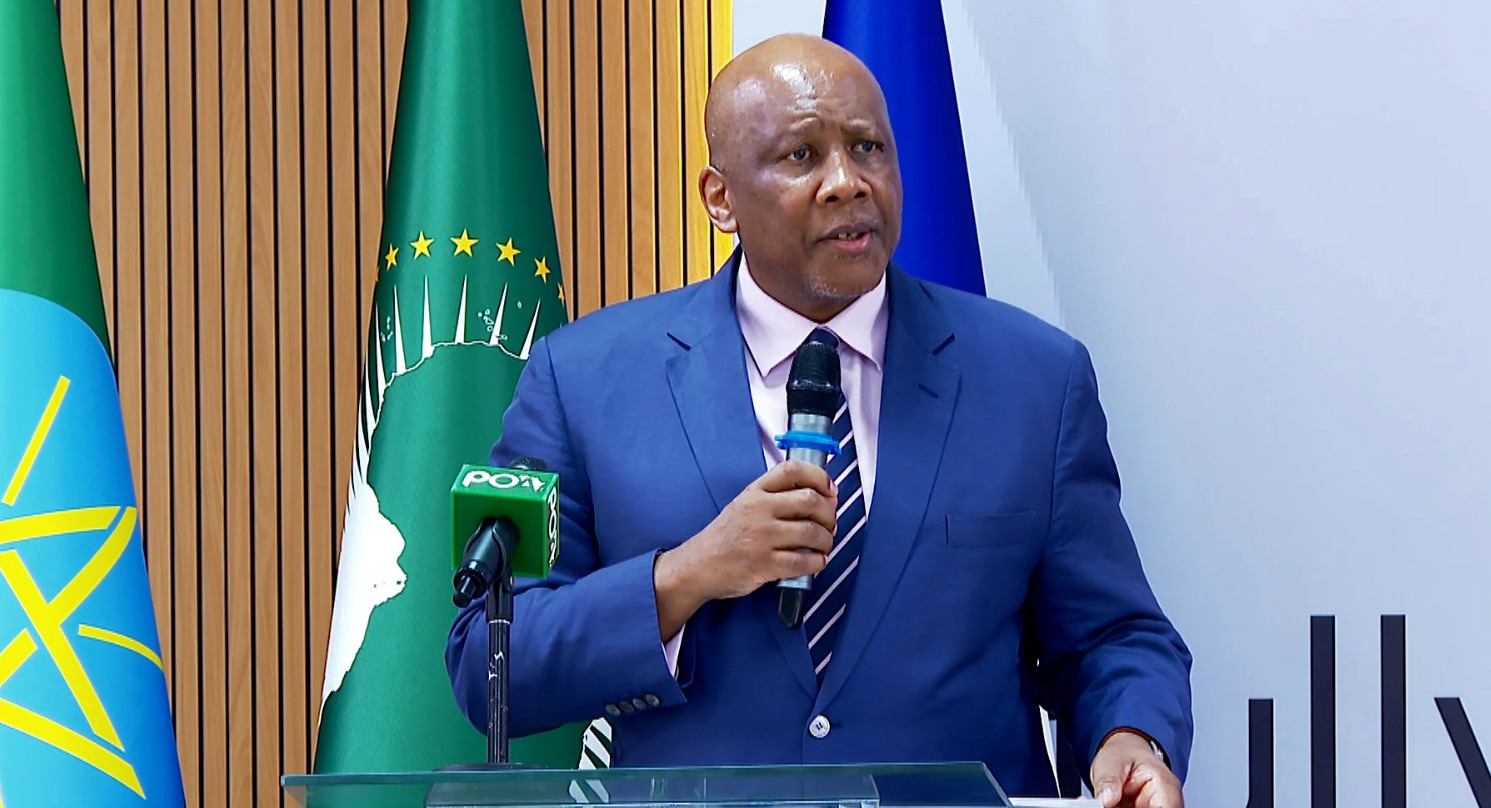
Addis Ababa, February 12, 2026 – Ethiopia is setting a powerful example for improving child nutrition, survival, and anemia reduction, even in resource-constrained environments. During a recent visit to Zewditu Memorial Hospital, King Letsie III of Lesotho, recognized as the African Union Nutrition Champion, highlighted the nation’s achievements in integrated maternal and child health.
Recognizing Key Strategies
Ethiopia’s progress demonstrates that strong political will, sustained investment, community engagement, and strategic partnerships are crucial for measurable advancements in public health. King Letsie III stated, “Ethiopia’s experience shows that these investments can yield significant results, even amid limited resources.”
The King underscored that the country’s deliberate efforts to break the intergenerational cycle of malnutrition could serve as a model for other African nations. This sentiment echoes the broader vision of the African Union, particularly regarding child health initiatives.
Community-Based Approaches
A vital aspect of Ethiopia’s success is its community-based health insurance and technology-enhanced systems. These initiatives have led to noteworthy gains in child survival rates and anemia reduction. As a result, Ethiopia has effectively supported both urban and rural communities in accessing quality healthcare.
Health Minister Mekdes Daba emphasized the government’s dedication, which has significantly reduced maternal and infant mortality rates. This achievement can be attributed in part to a robust network comprising over 40,000 health extension workers who play a critical role in service delivery across all regions.
The Urgency of Action
Joel Spicer, the President and CEO of Nutrition International, pointed to the pressing need for swift action on child health, noting that an estimated 30 million children are projected to die from preventable causes globally in the next five years, with 18 million of those children in Africa.
He praised Ethiopia’s comprehensive strategy, which encompasses educational programs and maternal care. “Ethiopia has the courage, vision, and leadership – key ingredients for saving children’s lives. The integration of new interventions is crucial,” Spicer remarked.
Innovative Goals
Among the innovative strategies being implemented are efforts focusing on double-fortified salt and enhancing Vitamin A accessibility. These initiatives reflect Ethiopia’s proactive approach to nutrition, aiming to safeguard the health of its youngest citizens.
Aligning with Global Goals
The King’s visit coincided with the 48th Ordinary Session of the AU Executive Council, centered on achieving sustainable water and sanitation as part of the Agenda 2063 goals. This alignment reinforces the importance of collaborative efforts in addressing public health challenges across the continent.
Conclusion
Ethiopia’s commitment to enhancing child survival through community-focused health initiatives and innovative nutritional strategies offers a promising template for other nations. By fostering strong political will and community engagement, the country exemplifies how integrated health approaches can lead to significant improvements in child well-being.
For more information about integrating health and nutrition initiatives in your community, visit the World Health Organization.
This article aims to provide clear, actionable insights into Ethiopia’s health successes, aligning with best practices for SEO and community health awareness.
