




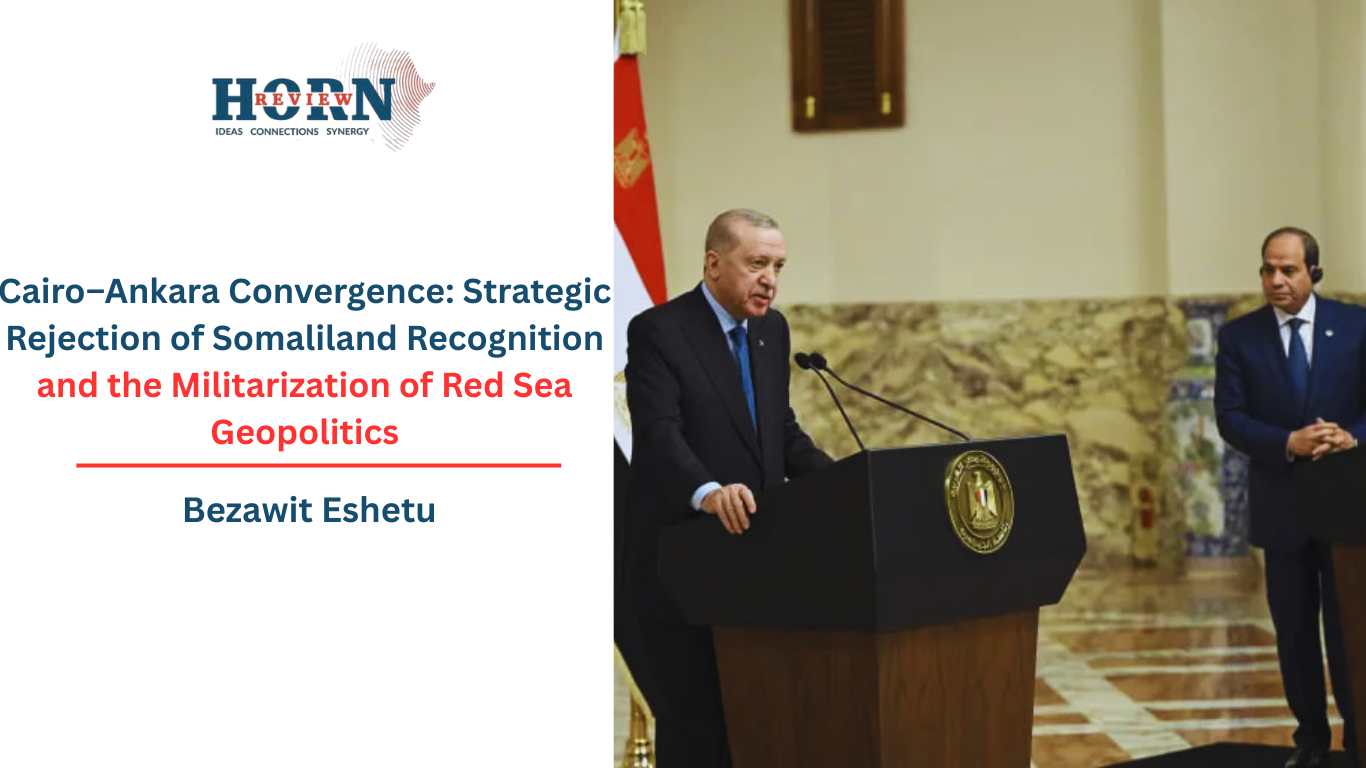
Rising Tensions in the Horn of Africa: Turkey, Egypt, and the Somali Sovereignty Debate
Recent geopolitical shifts have placed the Horn of Africa in the spotlight, particularly following Israel’s controversial decision to recognize Somaliland. The 2026 Cairo summit saw Turkey’s President Recep Tayyip Erdogan sharply criticize this move, describing it as an affront to Somali sovereignty and a strategic attempt to establish a rival stronghold at Berbera. Erdogan’s escalating rhetoric emphasizes Turkey’s commitment, alongside Egypt, to safeguarding Somalia’s territorial integrity and countering the growing influence of Israel and the United Arab Emirates in the region.
Strategic Implications of Somaliland’s Recognition
The recognition of Somaliland is viewed in Ankara as a premeditated attack on Turkey’s expanding presence in Somalia, which includes significant investments in military bases, port developments, and energy projects. This has prompted Turkey and Egypt to align more closely, forming a cohesive block aimed at countering Israeli and Emirati interests. By framing their approach as a defense of Somali sovereignty, both nations have weaponized international law, challenging the establishment of rival strategic footholds along the crucial Gulf of Aden.
The Historical Context of Turkish-Israeli Relations
Understanding the backdrop of Turkish-Israeli relations provides critical context for this heightened response. Historically, Turkey and Israel enjoyed a strategic partnership from the 1960s to the early 2000s, characterized by military cooperation and lucrative trade ties. However, this relationship soured dramatically after events such as the Mavi Marmara incident and Erdogan’s strong support for Palestinian causes. Following the October 2023 conflict, Turkey implemented measures including a full trade embargo against Israel and restricted its airspace, further deepening hostilities.
Local Geopolitical Dynamics
Israel’s recognition of Somaliland not only threatens Turkey’s interests but also evokes Egyptian fears regarding the Suez Canal, a vital source of economic stability reliant on transit fees. As tensions in the Red Sea region rise, Egypt faces urgent pressures related to maritime security amid Ethiopia’s push for greater access to the Red Sea. Ethiopia’s recent memorandum with Somaliland, which aims to grant it commercial rights over the Berbera port, presents a potential challenge to Egypt’s control over maritime routes.
The Ethiopian Factor
With Ethiopia depending on the Port of Djibouti for nearly all its international trade, any potential shift towards Berbera could diminish Egypt’s negotiating power. Djibouti’s growing ties with Cairo further complicate this scenario, enabling Egypt to exert influence over Ethiopian trade while simultaneously implementing containment strategies to isolate Ethiopia amid ongoing Nile disputes.
Military Escalation and Its Consequences
Both Turkey and Egypt view a unified Somalia as the key to asserting their influence in the region. However, the militarization of this strategy poses risks. As both nations focus on defense pacts and intelligence sharing, they potentially introduce instability into the already fragile environment of Somalia. The influx of military hardware intended for the Somali government often falls into the hands of clan militias, undermining efforts to stabilize the region.
Implications for Regional Security
The rise in military presence could inadvertently empower non-state actors such as al-Shabaab, leading to heightened maritime threats to shipping lanes crucial for both nations. The irony here is profound: as Turkey and Egypt mobilize to safeguard their interests, they may inadvertently empower rival factions capable of destabilizing the very security they seek to ensure.
The Sociological Realities of Somalia
A focus on external military solutions often neglects the internal dynamics at play within Somalia. Local clan disputes and resource conflicts remain the primary drivers of instability. When external powers prioritize military backing over genuine societal reconciliation, they risk entrenching a cycle of violence. Historical lessons from previous conflicts in Libya and Yemen underscore the potential for foreign support to empower local rivalries rather than consolidate authority.
Conclusion: A Fragile Balance
The unfolding Turkey-Egypt alignment reveals a paradox in the pursuit of regional dominance. While each nation vehemently opposes the precedent set by Israel’s deal with Somaliland, their militarized response runs the risk of exacerbating tensions within the broader landscape. As their competitive strategies continue to unfold, the corridors of trade and energy that they seek to control could become increasingly destabilized.
The situation in the Horn of Africa serves as a poignant reminder that geopolitical maneuvers often generate unintended consequences. As the region navigates these complex dynamics, the quest for hegemony may need to reconcile with the realities on the ground to ensure long-term stability and governance.
This article elucidates the intricate interplay of geopolitical interests in the Horn of Africa while highlighting the risks associated with militarization and external interventions. Understanding these dynamics is crucial for stakeholders aiming to navigate the challenges posed by such multifaceted issues.
