




Ethiopia’s Agricultural Reforms: Paving the Way for Food Self-Reliance
Addis Ababa, January 11, 2026 – Ethiopia is experiencing a significant transformation in its agricultural sector, with ongoing reforms that not only bolster national food self-reliance but also attract increasing interest from international development partners.
Pioneering Agricultural Strategies
According to Hailemariam Menamo, Senior Program Manager at the Canadian Food Grains Bank, Ethiopia’s policy-driven reforms are yielding tangible results in sustainability, conservation, and domestic wheat production. The formalized agricultural strategy implemented by the Ethiopian government has established a robust foundation for global collaboration.
“Ethiopia’s forward-thinking agricultural policy is enhancing sustainability and facilitating effective partnerships,” stated Hailemariam. He emphasized that these reforms allow international organizations to synchronize resources and share knowledge, tackling complex challenges in food security.
Enhancing Collaborative Efforts
The strategic alignment of stakeholders is vital in addressing Ethiopia’s food security challenges. The country’s favorable policy environment encourages integrated efforts among development actors, amplifying the impact of agricultural initiatives and enhancing food security.
A crucial factor in this progress is the strong partnership between the CFGB and the Ethiopian government, particularly in promoting conservation agriculture. This sustainable approach not only aims to boost productivity but also prioritizes the preservation of soil health, water resources, and ecosystems.
Boosting Local Wheat Production
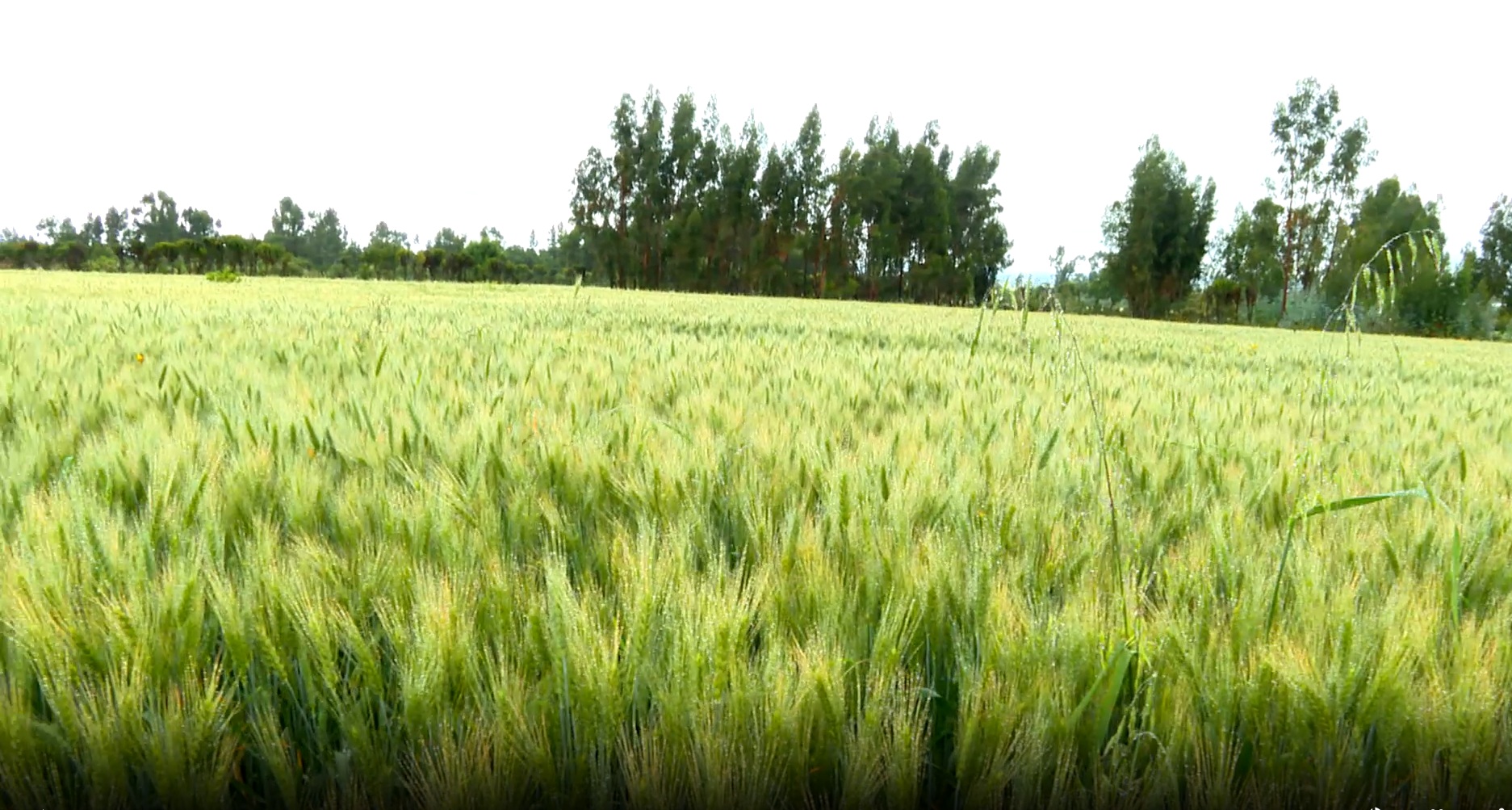
Ethiopia’s ambition to enhance local wheat production reflects its commitment to reducing dependency on imports. Recent government guidelines are aiding farmers in improving yields and adopting sustainable practices. As Hailemariam remarks, “Wheat, traditionally cultivated in exporting nations like Canada, is now being produced locally in Ethiopia, empowering farmers through effective policies, training, and research support.”
Collaborative Farmer Initiatives
The CFGB collaborates closely with farmers to elevate productivity on smaller plots while also partnering with research institutions to adapt high-yielding practices to local conditions. This synergy between hands-on farmer training and locally-led research ensures that innovative methods are widely implemented across both smallholder and large-scale farming systems.
Exemplary Leadership in Agricultural Development
Drawing from his extensive experience across Eastern Africa, Hailemariam commended Ethiopia’s leadership for its steadfast commitment to agricultural advancements. “In my visits to numerous countries in the region, Ethiopia’s achievements are distinguished by strong policy direction and national ownership.”
Environmental Sustainability Initiatives
Ethiopia’s Green Legacy Initiative exemplifies the country’s holistic approach to agricultural development. Involving tree planting and biodiversity enhancement, the initiative empowers youth cooperatives that manage nurseries producing agroforestry crops, including avocados and mangoes.
“These young farmers are not only generating new income opportunities but are also vital to environmental restoration efforts,” Hailemariam noted.
Conclusion
Ethiopia’s agricultural reforms signify a comprehensive approach to enhancing food security and sustainability. Through strong policies, collaboration with international partners, and sustainable practices, the nation is paving the way for a resilient and self-reliant agricultural sector. For more insights into Ethiopia’s agricultural initiatives, visit the Food and Agriculture Organization.
By embracing these reforms, Ethiopia is setting a precedent in agricultural development, inspiring other nations to follow suit.
