




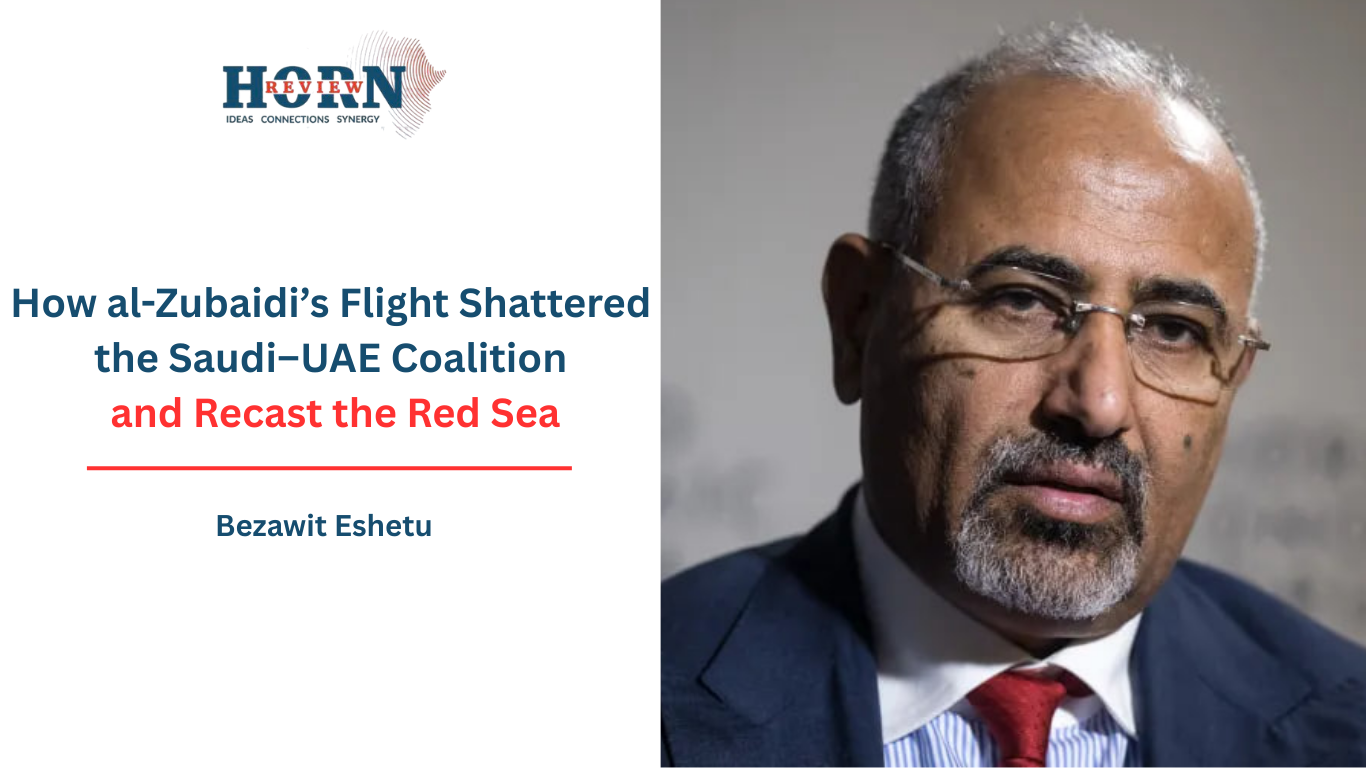
The Fractured Coalition: Aidarous al-Zubaidi’s Extraction and Its Implications for Yemen
The recent extraction of Aidarous al-Zubaidi from Aden to Abu Dhabi, via Somaliland, signals a severe rift within the Saudi-led coalition in Yemen. This event illustrates the emergence of competing patron states, each with diverging interests, complicating the already protracted conflict in the region.
Context of the Extraction
Statements from the Saudi-led coalition and reports confirm that al-Zubaidi departed Aden by boat and was subsequently flown to Abu Dhabi after a stop in Mogadishu, Somalia. This operation was meticulously planned, as evidenced by flight-tracking data and official communications, turning what could be perceived as plausible deniability into a documented maneuver. As a result, this extraction has emerged as a politically charged symbol for those involved.
Saudi Arabia’s Response
In the wake of al-Zubaidi’s removal, the Presidential Leadership Council in Riyadh expelled him and accused him of treason. Furthermore, Saudi officials depicted the extraction as a violation of Yemeni sovereignty. The response also included kinetic actions in southern Yemen, such as airstrikes targeting UAE-backed forces, signaling a critical shift in Saudi Arabia’s perspective on the Southern Transitional Council (STC). The once-cooperative relationship has transformed into a security liability that Saudi Arabia aims to neutralize.
Somalia’s Assertive Stance
Somalia’s decision to investigate the use of Mogadishu’s airspace for this operation underscores the geopolitical ramifications of al-Zubaidi’s extraction. By asserting its authority, Somalia signals that its strategic routes and airspace will no longer be accessible without formal consent, reflecting a new level of diplomatic assertiveness in the Horn of Africa.
The Clandestine Maritime Operations
The maritime route used for this extraction highlights a broader semi-clandestine logistics framework that the UAE has strategically employed in the region. Reports indicate that a vessel, flagged under Saint Kitts and Nevis, deactivated its tracking system while approaching Berbera, a tactic reminiscent of past arms smuggling operations. This deliberate operational methodology transforms commercial shipping into a covert tool for state actors, enabling clandestine movements between the Arabian Peninsula and the Horn of Africa.
Aviation and the Dual-Use Dilemma
The aircraft involved in the extraction, an Ilyushin Il-76TD, exemplifies the dual-use nature of aviation in Yemen’s conflict. While typically serving humanitarian and commercial purposes, it can also facilitate the movement of personnel and supplies, which raises significant concerns about the integrity of national airspace and sovereignty.
The Emirati Strategy: An “Archipelago” Approach
Abu Dhabi’s decision to support al-Zubaidi’s extraction aligns with its strategic “archipelago” approach, which focuses on controlling key ports and fostering local proxies. This method allows the UAE to exert influence over vital maritime routes without a permanent military presence. The strategic capture of ports such as Berbera and Aden ensures substantial leverage in regional governance and commerce.
Saudi Arabia’s Centralization Objective
In contrast, Saudi Arabia aims for a unified Yemen, preventing any fragmentation into separate territories. The kingdom’s airstrikes targeting UAE-supported shipments highlight its strategic intent to disrupt external support for these regional factions, indicating a dramatic shift in tactics from cooperative partnerships to adversarial confrontations.
Broader Implications for Yemen
The fallout from this incident could fortify the Houthis, who remain the only cohesive military force in northern Yemen. As the southern actors become increasingly fragmented and their external backers engage in overt confrontation, the political consensus essential for countering Houthi influence dissipates. This dynamic reflects a troubling trend: prolonged proxy competition tends to favor insurgent movements adept at exploiting the divisions among foreign sponsors.
Regional Security Concerns
Beyond the borders of Yemen, al-Zubaidi’s extraction alters perceptions of maritime security in the Bab al-Mandeb Strait. Increased disruptions and emerging territorial disputes could elevate shipping risks and compel nations stretching from Cairo to Muscat to reassess their security strategies. The integration of commercial port operators into sovereign disputes further complicates diplomatic resolutions, adding layers of influence and potential conflict between state and economic interests.
Conclusion: The New Reality in Yemen
The extraction of Aidarous al-Zubaidi emphasizes that the Yemeni conflict is no longer solely about combating insurgent forces but about securing influence over critical corridors. As rival patrons vie for control, the likelihood of a devolved Yemen into external fiefdoms becomes increasingly plausible. The ongoing struggle between Riyadh and Abu Dhabi reflects fundamental ideological divergences in how to stabilize Yemen, complicating the potential for a mediated resolution.
As the situation continues to evolve, the implications of this extraction will resonate through international relations and shape the future landscape of Yemen, making it a focal point of geopolitical contestation in the region.
