




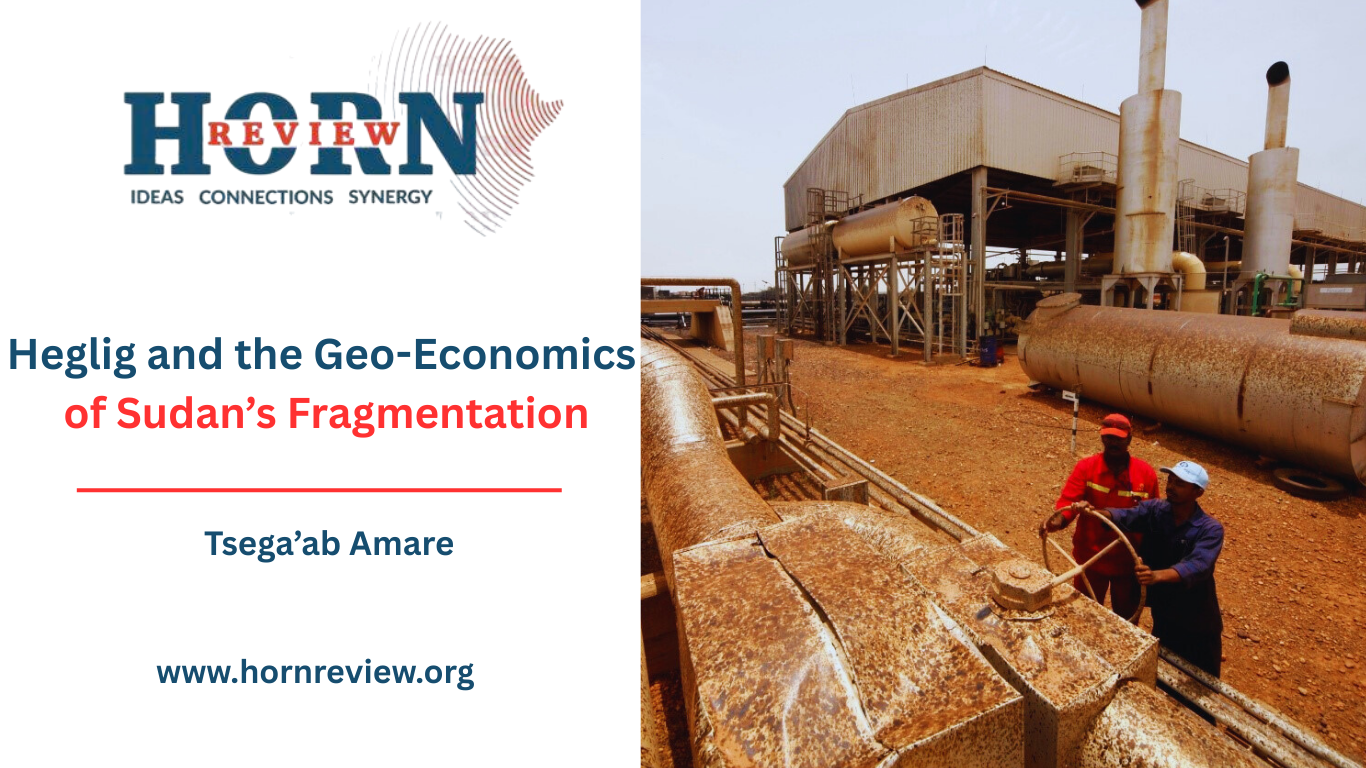
The Evolving Crisis of Heglig: Implications for Sudan and South Sudan
On December 8, 2025, the Rapid Support Forces (RSF) seized control of the Heglig oil region in West Kordofan, significantly impacting the economic landscape of Sudan and South Sudan. This takeover effectively deprived the Sudanese government of a crucial energy resource, marking a major shift in the ongoing conflict that has persisted for nearly 1,000 days.
The Strategic Importance of Heglig
Heglig serves as a key backbone of the regional hydrocarbon economy, featuring around 75 producing wells and a central processing facility capable of producing approximately 130,000 barrels per day. Its loss not only represents a territorial defeat but also alters the economic geography of the conflict, shifting power dynamics toward non-state actors and away from the Sudanese Armed Forces (SAF).
Economic Consequences of RSF Control
Previously managed through bilateral agreements between Sudan and South Sudan, the RSF’s control over Heglig introduces complexities that allow the group to leverage oil infrastructure in political negotiations. The 1,600-kilometer energy corridor connecting South Sudan’s Unity State to Port Sudan faces severe operational risks as a result of this shift. The crude oil, known as Nile Blend, is characterized by its high paraffin content, which necessitates constant flow to avoid coagulation and potential pipeline damage.
Diplomatic Efforts Amid Rising Tensions
The urgency of this situation has prompted diplomatic interventions, including a tripartite understanding involving SAF leader Gen. Abdel Fattah al-Burhan, RSF commander Gen. Mohamed Hamdan Dagalo, and South Sudanese President Salva Kiir Mayardit. This agreement aimed to deploy the South Sudan People’s Defence Forces (SSPDF) to Heglig to secure vital infrastructure. However, resumption of oil production remains stalled due to RSF’s continued control and additional conditions imposed by the group.
The Fragility of Neutralization Arrangements
Tensions escalated on December 20, 2025, as incidents were reported between SSPDF and RSF forces, highlighting the lack of a cohesive command structure. Such incidents risk further destabilizing an already precarious diplomatic arrangement and could impede future recovery efforts.
The Impact of CNPC’s Withdrawal
In a notable development, the China National Petroleum Corporation (CNPC) announced its withdrawal from Sudan, citing safety concerns and infrastructure damage due to ongoing conflicts. This decision reflects a deteriorating environment for foreign investment in the region and raises questions regarding the long-term sustainability of the oil industry.
Regional Implications and Shifts in Policy
The Heglig crisis has caught the attention of neighboring Egypt, prompting a reevaluation of its security strategies. During a meeting on December 18, 2025, President Abdel Fattah al-Sisi described the conflict as a direct threat to Egypt’s national security. In response, both Egypt and Sudan initiated a joint security operation in Blue Nile State on December 22, signaling an escalation in military commitments.
A Proxy Conflict with Global Ramifications
The ongoing conflict is increasingly viewed through a proxy lens, with indications that external actors may be facilitating logistics for the RSF. Additionally, financial arrangements between South Sudan and an Abu Dhabi-linked entity further complicate the geopolitical landscape, raising concerns about the future direction of negotiations and governmental authority.
Conclusion: The Future of Heglig and Its Consequences
The situation in Heglig has evolved from a resource struggle to a geopolitical battleground, symbolizing the shared vulnerabilities of Sudan and South Sudan. Without establishing a neutral framework for oil governance, Heglig is poised to become an instrument of coercion, threatening to escalate the conflict into a broader regional contest over energy and sovereignty. The trajectory of this crisis indicates that both nations face significant challenges ahead, risking the stability and integrity of their governance structures.
Keywords: Rapid Support Forces, Heglig Oil Region, Sudan, South Sudan, oil economy, diplomatic intervention, CNPC withdrawal, Egyptian security policy
For more insights on the ongoing developments in the Heglig oil region and its implications for regional stability, visit Middle East Eye and Sudan Tribune.
