




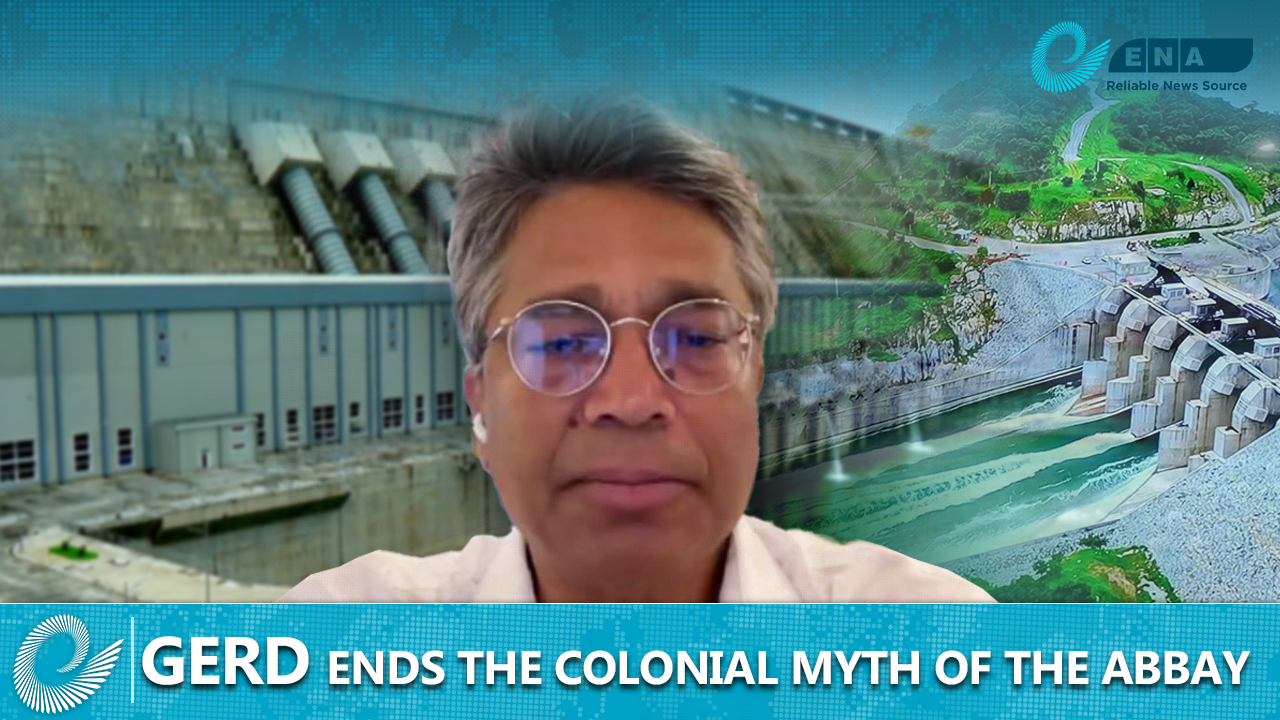
The Grand Ethiopian Renaissance Dam: A Milestone for Ethiopia and Africa
The Grand Ethiopian Renaissance Dam (GERD) has officially been completed and launched, marking a significant moment in Ethiopia’s political, economic, and diplomatic landscape. According to Professor Ashok Swain from Uppsala University and UNESCO Chair on International Water Cooperation, the inauguration symbolizes Ethiopia’s rising diplomatic status in Africa and beyond.
A Landmark Achievement
In a recent interview, Professor Swain emphasized the historical importance of the dam’s inauguration, which took place in September 2025. He characterized the GERD as a monumental engineering success, achieved despite years of external pressure and challenges. Ethiopia’s commitment to the project showcases not only its capability but also its determination to utilize transboundary water resources equitably and sustainably.
Overcoming Financial Hurdles
For an extended period, Ethiopia faced restrictions that prevented it from accessing loans from international financial institutions. This lack of external funding compelled the nation to rely primarily on domestic resources, which demonstrates the country’s resolve to assert its sovereign right to development. The successful completion of GERD was a triumph of national effort, reflecting a shared vision among Ethiopians.
A Unifying National Project
Professor Swain pointed out that the GERD has become a rare symbol of unity among Ethiopians. He noted, “All Ethiopians agree that the GERD had to be done,” making it a pivotal internal victory for the government. The completion of the dam sends a strong message of African self-reliance, proving that with the right commitment, major projects can be executed without foreign dependency.
The Broader Implications
The GERD doesn’t just benefit Ethiopia; it holds potential advantages for neighboring countries as well. Professor Swain explained that the dam challenges previous perceptions surrounding the Abay River, emphasizing that it serves numerous nations. He asserted that fair and just utilization of shared water resources is crucial and that upstream countries have the right to make use of their rivers.
Development and Economic Growth
The electricity generated by the GERD is expected to be a game changer for Ethiopia’s growth, providing crucial power for its populations, industries, and urban centers. Additionally, neighboring Sudan stands to benefit from improved flood management with cooperative dam operation, a fact Professor Swain highlighted.
Similarly, Egypt could reap rewards through regional power cooperation. The country requires significant energy resources for its desalination projects and groundwater extraction efforts, which Ethiopian power can help address.
Navigating Diplomatic Waters
While Egypt has attempted to bring the GERD issue to the United Nations Security Council, Professor Swain noted that major powers are increasingly supportive of upstream nations’ rights over shared water resources. He strongly criticized efforts aimed at obstructing Ethiopia’s access to the sea, emphasizing that such actions are counterproductive.
The Quest for Sea Access
Ethiopia is actively pursuing discussions to secure access to the sea based on the principles of mutual benefit and partnership, aiming to facilitate shared development opportunities. The quest for sea access has historical roots and reflects Ethiopia’s efforts to reclaim its rightful position in the Red Sea, following prior unjust agreements that deprived it of this resource.
Moving Towards Cooperation
In closing, Professor Swain urged for cooperation rather than conflict between Ethiopia and Egypt. “The dam is already built and accepted,” he stated, suggesting that the most favorable approach now is collaboration regarding the Abay waters. Coordinated efforts will lead to a more peaceful coexistence and foster regional growth.
For more information about the implications of the GERD and Ethiopia’s development strategies, visit ENA.
By understanding the broader socio-economic impacts and regional cooperation opportunities presented by the GERD, Ethiopia can continue to strengthen its ties with neighboring countries while embracing its sovereign rights.
