




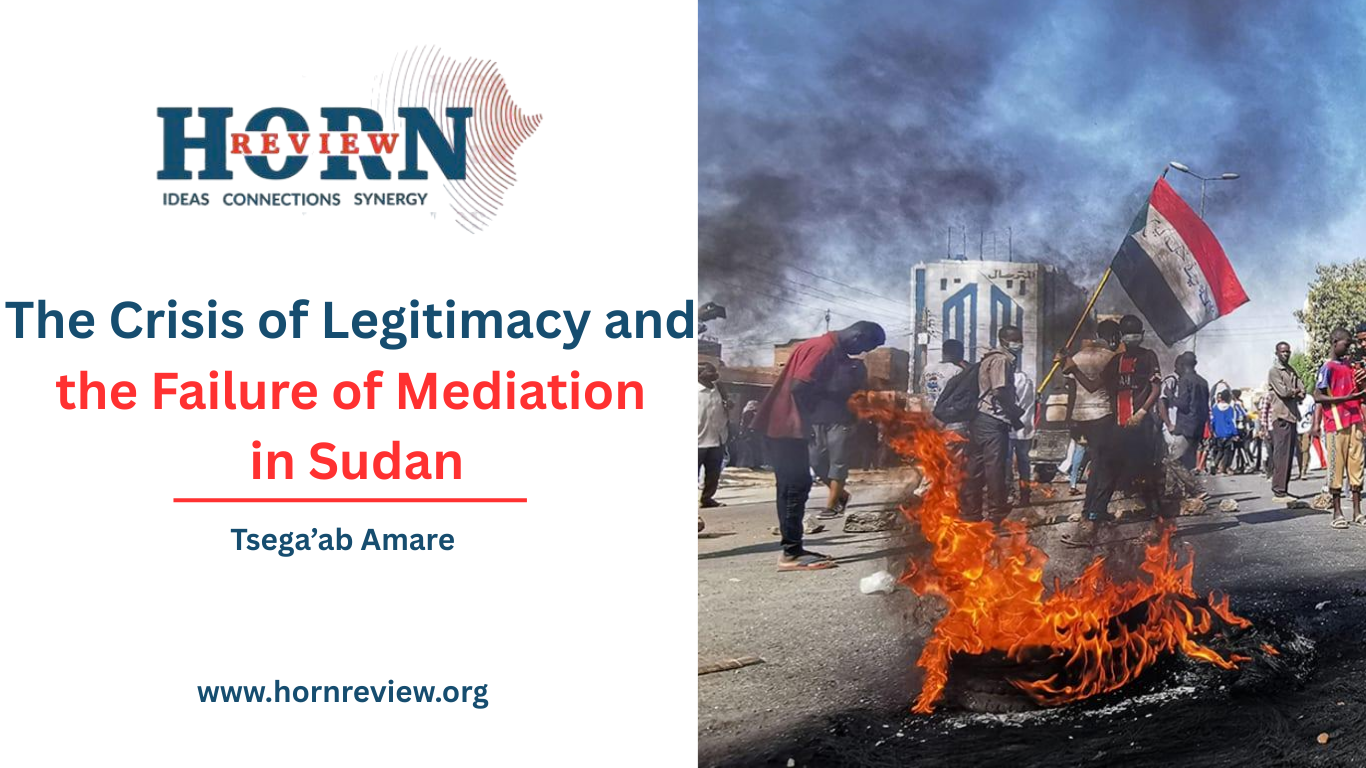
Understanding the Sudanese Civil War: A Crisis of Legitimacy
Introduction
The ongoing civil war in Sudan represents a profound crisis rooted in failed democratic processes and a struggle for legitimacy. This conflict, which exploded into violence in April 2023, follows a tenuous democratic transition initiated in 2019 after the ousting of President Omar al-Bashir. Understanding the underlying factors will shed light on the complex dynamics at play in Sudan.
Historical Background: From Hope to Crisis
In 2019, Sudan adopted the 2019 Draft Constitutional Charter, establishing a fragile power-sharing agreement between military and civilian actors. However, this optimistic beginning quickly deteriorated. The military coup of October 2021 disrupted the existing government led by Prime Minister Abdalla Hamdok, crippling the country’s democratic aspirations.
The Military Confrontation
As the power struggle escalated, the two main military factions emerged: Abdel Fattah al-Burhan leading the Sudanese Armed Forces (SAF) and Mohamed Hamdan Dagalo at the helm of the Rapid Support Forces (RSF). Their rivalry has resulted in a violent confrontation that has displaced millions and exacerbated humanitarian crises throughout the region.
The African Union’s Role and Challenges
The African Union (AU), guided by its Lomé Declaration, suspended Sudan following the 2021 coup. However, the ongoing civil war presents challenges that the AU is ill-equipped to manage, as its frameworks were designed to tackle external interventions rather than internal rivalries. This dynamic has created a Legitimacy Trap, making it difficult for the AU to mediate effectively.
The Mediation Vacuum
With Sudan’s seat in the AU vacant due to its suspension, the question arises: who has the legitimate authority to negotiate on behalf of Sudan? As the international community grapples with this dilemma, opportunistic external players have started to fill the mediation void, often undermining local governance norms and exacerbating the humanitarian situation as millions face displacement.
Humanitarian Crisis
By December 2025, Sudan is projected to have the world’s largest displacement crisis, impacting around 13 million people—a distressing statistic that underscores the urgency for effective intervention.
External Influences: A Regional Proxy Conflict
Sudan’s strategic location and abundant mineral resources have transformed the civil war into a regional proxy conflict. Countries like the UAE and Egypt are backing different factions, complicating the pathways to peace. To shift the dynamics, the international community must target these external sponsors and mitigate their impacts.
Strategic Approaches
The SAF has focused on projecting a facade of legitimacy, appointing [Kamal Idris](https://english.news.cn/20250601/6fe6ddf955144f3cbef33c818daaef3c/c.html#:~:text=Source:%20Xinhua,Authority%20on%20Development%20(IGAD) as a civilian figurehead to retain international credibility. Conversely, the RSF is establishing a parallel government to assert its territorial control and demand recognition as a legitimate political entity.
The Path Forward: Mediation and Diplomatic Strategy
To resolve the ongoing conflict in Sudan, the international community must adopt a phased diplomatic strategy aimed at restoring civilian legitimacy. This approach involves recognizing a unified civilian front, gradually reallocating legitimacy away from the military factions, and emphasizing accountability for war crimes committed during this turbulent period.
Rethinking Power Dynamics
Shifting the military generals from coequal political principals to subordinate military actors is crucial. This transformation requires a determined international effort to build peace on durable foundations rather than rewarding coup leaders. A successful strategy will involve a sequenced, pragmatic approach prioritizing genuine civilian governance.
Conclusion
The situation in Sudan serves as a cautionary tale about the complexities of power, legitimacy, and intervention in contemporary governance. By strategically addressing both internal dynamics and external influences, the international community stands a chance at altering the trajectory of this conflict. The focus must remain on rebuilding a legitimate state that prioritizes accountability, peace, and the welfare of its citizens.
This comprehensive examination of Sudan’s civil war highlights the underlying legitimacy crisis and the urgent need for coordinated international intervention. Understanding these factors is paramount to addressing one of the most pressing humanitarian crises in recent history.
