




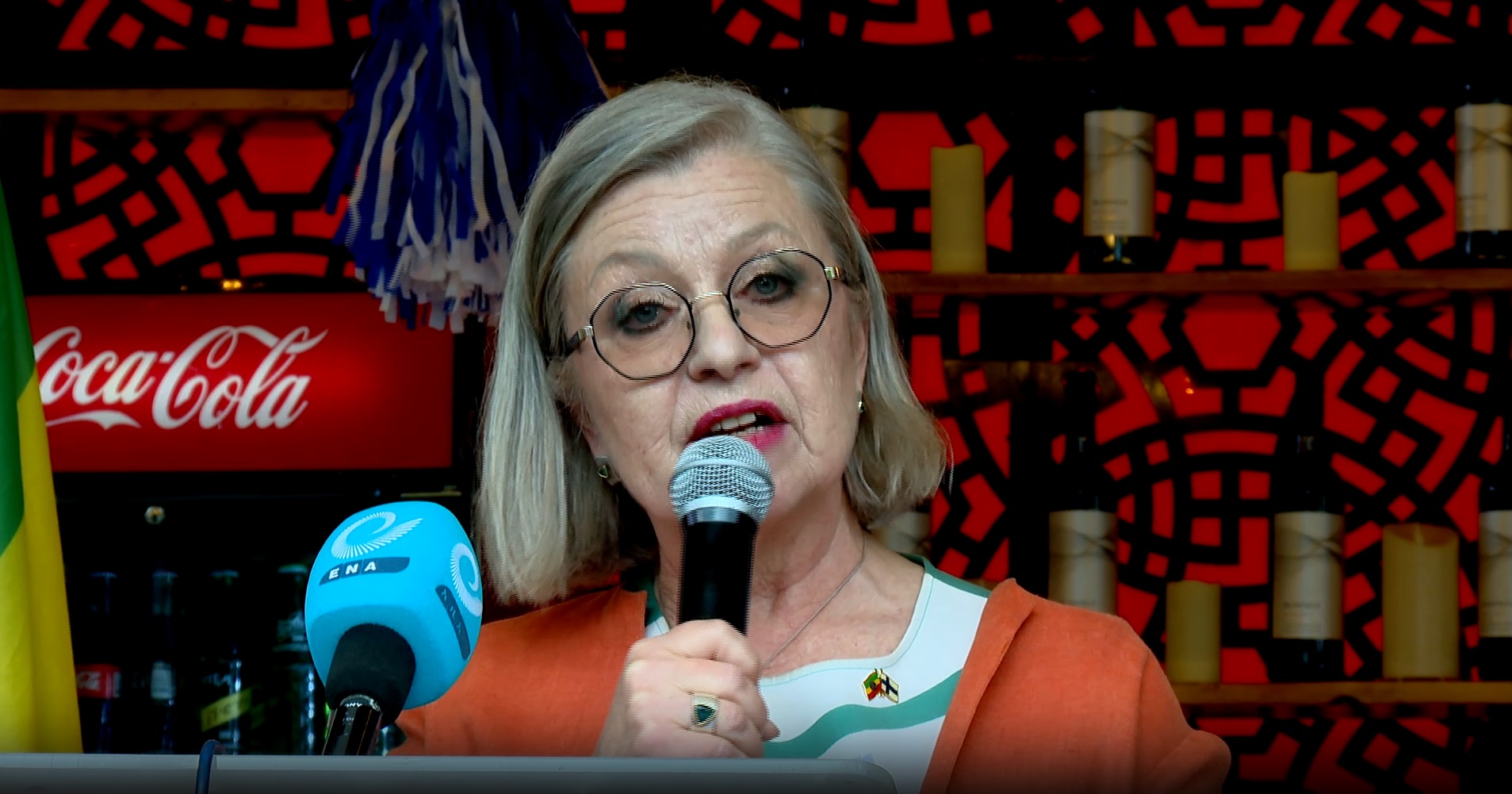
Strengthening Ethiopia-Finland Relations on Independence Day
Addis Ababa, December 5, 2025—Ethiopia and Finland have reaffirmed their longstanding partnership during the celebration of Finland’s 108th Independence Day in Addis Ababa. The event highlighted the commitment of both nations to enhancing political, economic, and development cooperation.
Growing Bilateral Ties
Ambassador Sinikka Antila of Finland emphasized the increasing strength of Ethiopia-Finland relations, acknowledging the ongoing collaboration in critical development areas. “Our new country programme, endorsed last week, extends our support in education, water and sanitation, humanitarian assistance, and civil society cooperation, all of which contribute to peace and resilience in Ethiopia,” she stated.
Explore Finland’s commitment to sustainable development here.
Fostering Business Opportunities
Ambassador Antila expressed Finland’s intention to expand business partnerships. “Finland is a high-technology and knowledge-based society,” she noted, highlighting the presence of technology leaders such as Nokia and Vaisala at the celebration. She reiterated Finland’s eagerness to strengthen business and technology projects within Ethiopia.
Historical Foundations of Cooperation
Ambassador Mulie Tarekegn, Deputy Director General for Europe and America Affairs at Ethiopia’s Ministry of Foreign Affairs, reflected on the deep-rooted relationship between Ethiopia and Finland. This relationship, based on mutual respect and shared values, has its origins in the 1950s with the arrival of Finnish missionaries. The official diplomatic relations were established on July 17, 1959, when Finland opened its embassy in Addis Ababa.
Learn more about diplomatic relations between Ethiopia and Finland.
Advancing Trade Relations
Ambassador Mulie pointed out the growing trade ties. Ethiopia exports textiles, vegetables, and food products to Finland worth approximately $6.5 million annually while imports exceed $14 million, primarily in machinery, instruments, and chemicals. He emphasized that future cooperation could enhance Finnish investment in Ethiopia.
Investment Opportunities
“Ethiopia’s recent economic reforms and the formation of special economic zones present numerous opportunities for Finnish companies,” noted Ambassador Mulie. He stressed the importance of identifying new avenues for fostering mutual benefits between the two countries.
Discover investment opportunities in Ethiopia.
Conclusion
Ambassador Mulie praised the Finnish government and people for their steadfast support of Ethiopia’s development in various sectors including education, water management, and energy. The celebration gathered senior government officials, diplomats, and members of the Finnish community in Ethiopia, marking a significant occasion in strengthening bilateral relations.
Finland’s National Day marks the country’s declaration of independence in 1917, and this year’s celebration holds special significance as it commemorates the 108th anniversary of that momentous achievement.
Find out more about Finland’s history and independence.
This article utilizes SEO best practices by incorporating relevant external links and structured headings (H2 and H3) to enhance readability and search engine visibility. It provides a clear and engaging overview of the Ethiopia-Finland partnership while addressing key aspects of their bilateral relations.
