




The Ongoing Crisis in Sudan: An Analysis of Recent Truce Rejections and the Path Ahead
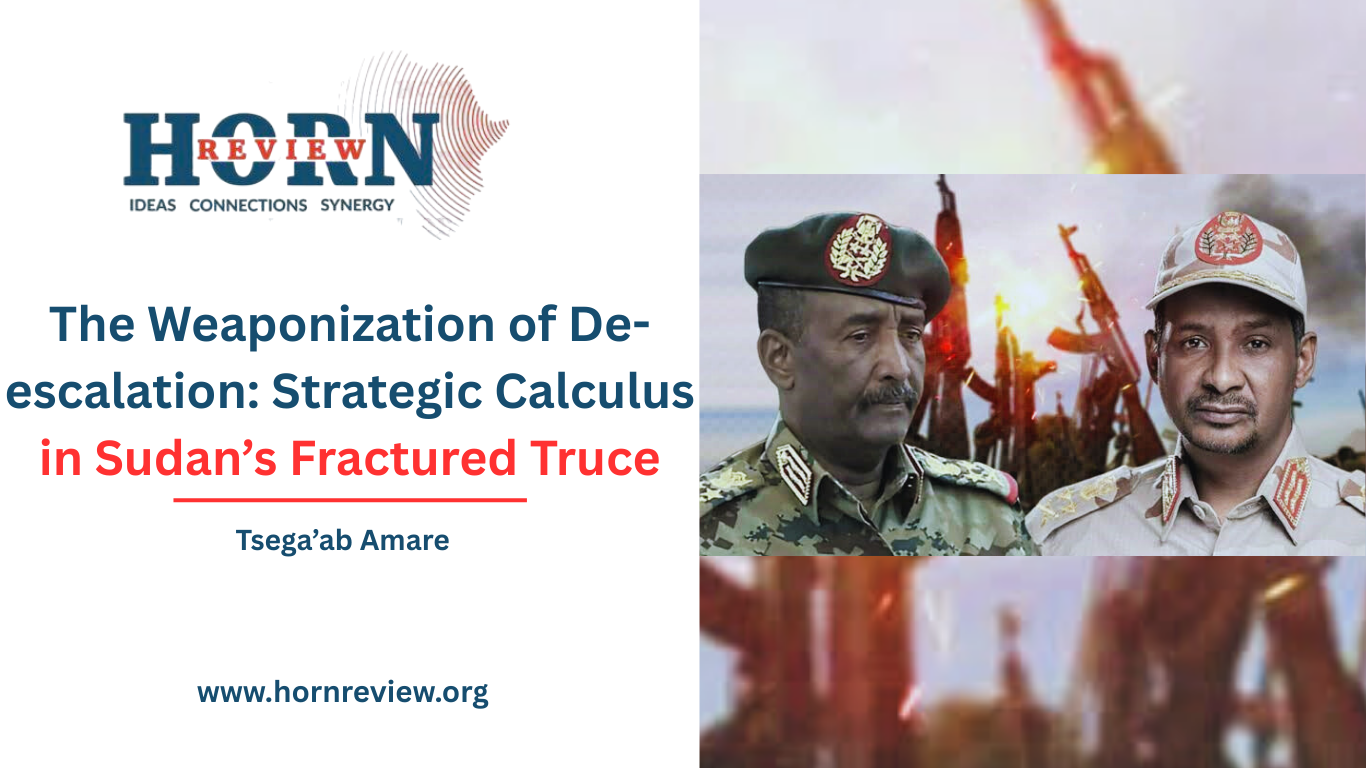
On November 23, 2025, the war in Sudan witnessed a significant escalation when General Abdel Fattah al-Burhan, the head of the Sudanese Armed Forces (SAF), dismissed a ceasefire proposal from the Quad coalition, branding it the “worst yet.” Burhan characterized it not as a genuine opportunity for peace but rather as a biased imposition by foreign interests, particularly those of the Gulf states.
Divergent Paths: SAF and RSF Stance on Ceasefire
In a direct contrast to Burhan’s stance, Mohamed “Hemedti” Daglo, the commander of the paramilitary Rapid Support Forces (RSF), announced a unilateral three-month humanitarian truce just hours later. His offer included safe corridors for humanitarian aid and civilian protection, amid increasing international scrutiny. This striking difference—where a military leader opts for confrontation while a paramilitary leader extends a diplomatic gesture—highlights the grim state of Sudan’s internal conflict as it descends into its third year.
Factors Behind the Truce’s Collapse
The swift collapse of this proposed truce goes deeper than mere rhetoric. It stems from structural failures in mediation efforts and the inherent instability of both warring factions.
U.S. Policy and Gulf Interests
The failure of the U.S. policy regarding Sudan is closely tied to its geopolitical ambitions in the Gulf. Burhan’s rejection of the ceasefire proposal, presented by U.S. envoy Massad Boulos, was not solely about the terms of the truce but also about the perceived lack of impartiality from the U.S. The SAF now views American diplomatic initiatives as indistinguishable from Emirati interventions, effectively rendering them Dead on Arrival (DOA).
As long as the U.S. continues to back Emirati-backed RSF initiatives, U.S.-led peace efforts will likely be seen as traps designed to legitimize the RSF’s military gains and compromise the SAF’s position.
The RSF’s Internal Dynamics
While Hemedti’s agreement to a truce seems like a statesmanlike gesture, it conceals significant internal dilemmas facing the RSF. Although the paramilitary force has made substantial territorial gains, it suffers from what can be termed as victory fatigue and potential leadership fragmentation. The RSF operates not as a coherent military body but rather as a collection of loosely organized militias.
Moreover, Hemedti’s financial stranglehold relies on ongoing conflict, leveraging a “license to loot” to sustain operations. His unilateral truce allows him to gain diplomatic favor without formally accepting accountability for his troops’ actions, keeping violence at arm’s length while highlighting an inability to control them.
Economic Factors Fueling Conflict
Sudan’s war is propelled by a predatory economic model that incentivizes military control over peace. The RSF dominates the lucrative gold mining sector in Darfur, generating billions outside of state channels. Any peace initiative that seeks to restore state governance threatens to dismantle this financial engine, making genuine reconciliation less appealing.
The SAF’s Existential Struggle
For General Burhan, the conflict has evolved into an existential battle against a perceived mutiny. Agreeing to a ceasefire risks acknowledging RSF gains, particularly in regions like Darfur and Kordofan. The SAF is banking on attrition, backed by air power and military support from Egypt.
Conversely, Hemedti’s acceptance of a truce is a tactical response. While he can claim military success, he recognizes the necessity of establishing political legitimacy to govern effectively. A ceasefire would allow him to rationalize his position and regroup, seeking international recognition rather than being labeled merely a rebel leader.
The Role of the International Community
Both commanders must also contend with the looming threat of the International Criminal Court (ICC), with evidence of serious human rights violations hanging over them. This environment of impunity means that maintaining a military presence is their only safeguard against potential prosecution.
The Humanitarian Catastrophe Unfolding
As global dynamics fluctuate, the demographic consequences of the war continue to worsen, with Sudan currently facing the largest displacement crisis worldwide. An estimated 18 million people have been uprooted from their homes, while 25 million suffer from severe hunger. Areas under RSF control are experiencing famine conditions, exacerbated by health crises like cholera and rampant malnutrition.
Implications for Future Peace Efforts
These developments signal a troubling landscape for the upcoming IGAD summit in December. The recent tit-for-tat regarding the truce illustrates that neither side has reached a point of mutually recognized exhaustion. Instead, both groups remain entrenched in the belief that they can secure a military victory.
A Call for a New Approach
The international community must reevaluate its diplomatic strategies regarding Sudan. Current efforts are failing, largely due to a perception that U.S. policies serve Gulf interests rather than the genuine pursuit of peace. The economic engines fueling the conflict, particularly the RSF’s lucrative operations, must be urgently addressed.
Sudan stands at a crossroads; it is not just disintegrating but also facing a gradual erosion of statehood. Effective engagement will require a shift away from flawed mediation approaches to more decisive actions targeting the economic and military incentives that perpetuate this conflict. Only through comprehensive structural reforms can the prospects for peace in Sudan become a tangible reality.
Conclusion
Understanding the intricate dynamics at play in Sudan is crucial for developing a multifaceted strategy aimed at sustaining peace. Current ceasefire efforts are inadequate as long as underlying economic and political incentives remain unchallenged. A coordinated international response is essential for breaking the cycle of violence and rebuilding what remains of Sudan’s statehood.
For more in-depth insights, explore additional resources on Sudan’s civil war and the global humanitarian crisis.
