




The Rising Threat of Kala-Azar in Kenya: A Comprehensive Overview
Understanding Kala-Azar and Its Impact
Kala-azar, also known as visceral leishmaniasis, is a neglected tropical disease with devastating consequences. Spread primarily by sandflies, its symptoms include persistent fever, severe weight loss, and noticeable enlargement of the liver and spleen. Alarmingly, if left untreated, the disease boasts a grim 95% fatality rate.
Surge in Cases
In recent years, Kenya has witnessed a staggering increase in kala-azar cases. Reports from the health ministry indicate that the number of infected individuals jumped from 1,575 in 2024 to 3,577 in 2025. This sharp rise has prompted health officials to sound the alarm, particularly as the disease infiltrates previously unaffected areas.
Climatic Factors Behind the Epidemic
Experts attribute the escalating incidence of kala-azar to a combination of climate change and expanding human settlements. As the environment shifts, the habitats of the sandflies that transmit the disease are rapidly expanding, increasing the risk of outbreaks in new regions. Dr. Cherinet Adera of the Drugs for Neglected Diseases Initiative notes, “Climate change is expanding the range of sandflies and increasing the risk of outbreaks in new areas.”
A Personal Tragedy: Harada Hussein Abdirahman’s Story
Harada Hussein Abdirahman, a 60-year-old grandmother, experienced the harrowing effects of misdiagnosis during her battle with kala-azar. After being bitten by a sandfly while herding livestock in Mandera County, she sought medical help but was repeatedly misdiagnosed with malaria and dengue fever. For nearly a year, she suffered as her health deteriorated. “I thought I was dying,” she recounted, expressing the sheer helplessness she felt amid the healthcare failures.
The Human Cost of Kala-Azar
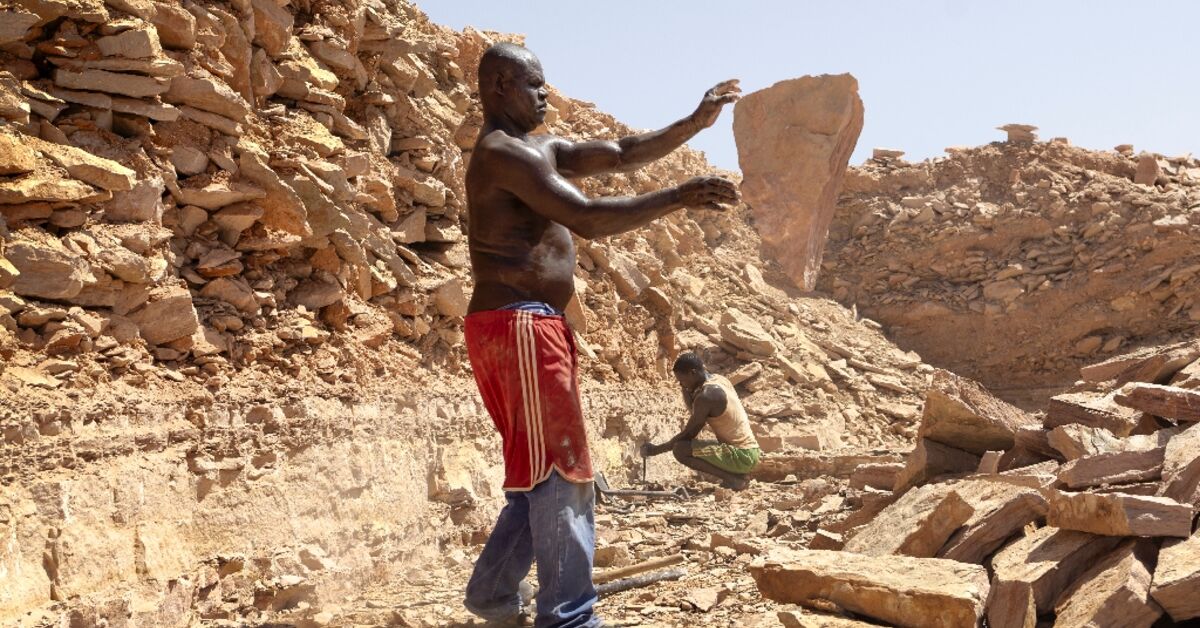
The current outbreak has not spared even the most vulnerable. A surge of cases among migrant workers at a quarry site in Mandera resulted in restrictions on movement during dusk and dawn—when sandflies are most active. Reports of at least two fatalities among workers have emerged, with many others returning to their villages unsure of their own fate. Evans Omondi, a quarry worker, remarked, “We did not know about the strange disease causing our colleagues to die.”
Health System Challenges
Despite the evident threat, the healthcare system in Kenya is ill-equipped to manage kala-azar effectively. Dr. Paul Kibati, a tropical disease expert, emphasizes that there are “very few facilities in the country able to actively diagnose and treat” this devastating disease. Training for healthcare providers is essential, as diagnostic mistakes can lead to fatal outcomes.
Cost of Treatment
The current treatment regime for kala-azar is arduous, lasting up to 30 days and requiring daily injections, often alongside blood transfusions. The total cost can reach as high as 100,000 Kenyan shillings (about $775), excluding medication costs.
Living Conditions and Risks
The sandfly thrives in environments characterized by poorly constructed mud houses, particularly during the rainy season following prolonged droughts. Regions such as northeastern Kenya have been particularly hard hit, experiencing adverse conditions that exacerbate the kala-azar crisis.
Looking Ahead: The Need for Urgent Action
As the World Health Organization emphasizes, East Africa accounts for more than two-thirds of global kala-azar cases. In 2023, six of the most affected African nations convened in Nairobi with the goal of eliminating the disease by 2030. However, urgent action is required, including improving diagnosis and treatment facilities.
The Expected Rise in Cases
Dr. Kibati warns that with the expected onset of rains, further increases in kala-azar cases are likely, particularly among the most vulnerable populations facing malnutrition and weakened immunity. The future of public health in Kenya hinges on addressing these systemic issues to combat the deadly threat of kala-azar.
[^1]: Global Health Threats
[^2]: Impact of Climate Change on Health
By raising awareness about kala-azar’s dangers and the importance of timely and accurate diagnosis, communities can mobilize against this deadly disease and protect the most vulnerable populations.
