




The Strengthening Partnership Between the EU and Ethiopia
Addis Ababa, January 17, 2026 – In a significant move to bolster international relations, the European Union has reaffirmed its commitment to enhancing cooperation with Ethiopia across several strategic domains. This follows high-level discussions between Ethiopian leadership and representatives from the European External Action Service (EEAS).
Key Discussions Between EU and Ethiopian Officials
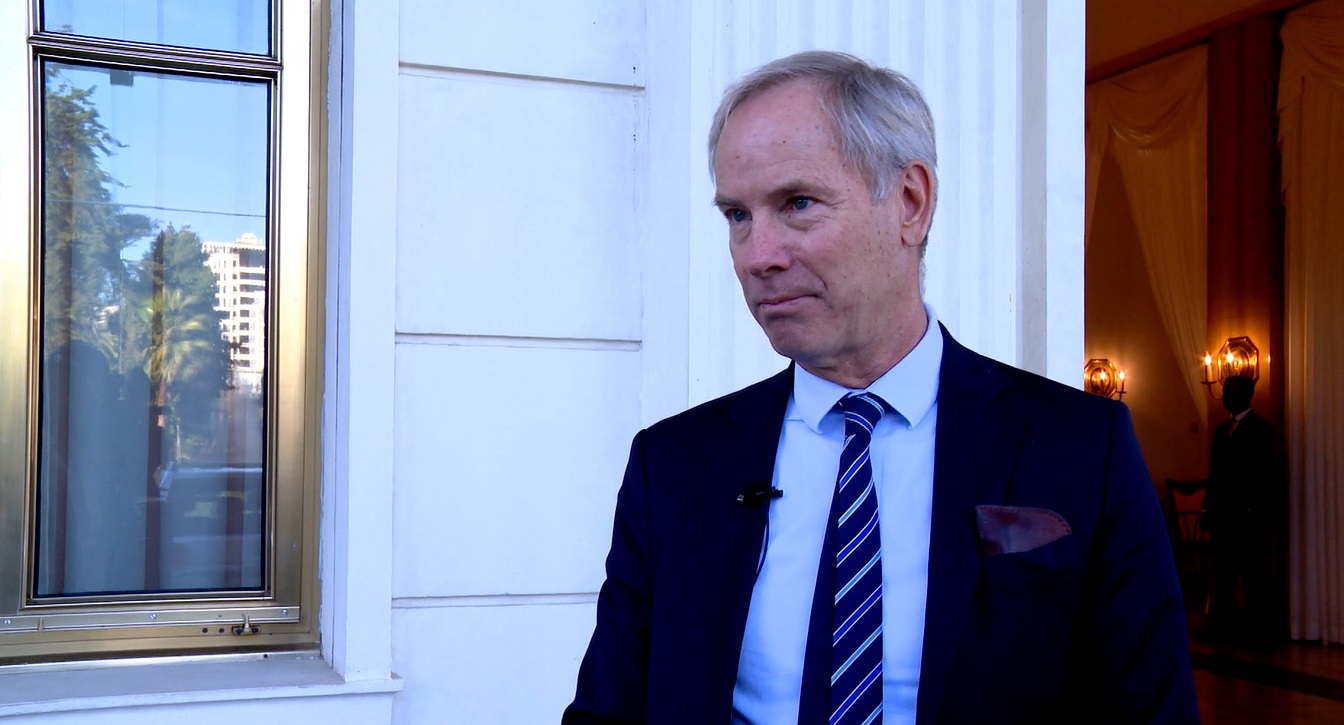
Recently, Olof Skoog, the Deputy Secretary-General for Political Affairs of the EEAS, visited Ethiopia for discussions with key figures, including Foreign Minister Gedion Timothowes and President Taye Atske Selassie. The primary focus was to review the current state of EU–Ethiopia relations and explore avenues for strengthening collaboration.
Skoog succinctly encapsulated the potential of the partnership, stating it holds “great promise,” especially in light of escalating global challenges affecting international institutions.
Cooperation Amid Geopolitical Challenges
In a time where major global players increasingly question fundamental principles such as the UN Charter, Skoog underscored the necessity for nations committed to multilateralism to work more collaboratively. He emphasized the importance of unity among countries and organizations that cherish international law, especially amid the shifting global geopolitical landscape.
Addressing Regional Security Concerns
Security cooperation is a cornerstone of the EU–Ethiopia discussions. Both parties expressed shared concerns regarding stability in the Red Sea and the Horn of Africa. Skoog noted the discussions encompassed not only local security issues but also broader European concerns, thus illustrating the interconnected nature of regional stability.
Counter-Terrorism Collaboration
One promising area for future collaboration is counter-terrorism. Skoog identified this as a crucial aspect for deepening EU-Ethiopia partnerships, underscoring both parties’ commitment to combatting threats that undermine regional stability.
Economic Development and Trade Opportunities
Beyond security, the dialogue shifted toward enhanced economic cooperation. Skoog remarked that stronger cross-border economic integration could substantially benefit both Ethiopia and the wider region. The EU has shown strong support for Ethiopia’s ongoing economic reforms, with the potential for increased trade and investment between both partners on the horizon.
Leveraging Modern Technology
The EU’s commitment is not limited to financial support; it also involves sharing expertise in modern technology aimed at fostering sustainable development in Ethiopia. Skoog stated, “We want to be part of the economic development of Ethiopia,” highlighting a long-term commitment to inclusive growth.
Climate Cooperation and Regional Stability
As cooperation expands, climate change remains a pivotal area of focus. Skoog and Ethiopian officials discussed enhancing collaboration in preparation for the upcoming COP climate conference, demonstrating a unified approach toward addressing environmental challenges.
Diplomatic Engagement for Peaceful Resolutions
In acknowledging existing tensions within the Horn of Africa, Skoog highlighted the importance of reviving diplomatic engagements. Both countries aim to pursue political solutions to address the root causes of conflict—essential for fostering sustainable regional cooperation.
Conclusion
The discussions between the EU and Ethiopia mark a significant step forward in establishing a robust partnership grounded in mutual interests in security, economic development, and climate resilience. Through continued dialogue and cooperation, both parties are poised to tackle challenges and seize opportunities in an increasingly interconnected world.
For further details on EU and Ethiopia relations, check out European Union’s official website and Ethiopia’s Department of Foreign Affairs.
